

Frozen Indian meals delivered UK: How to choose home-cooked meals for busy weeks
Saakshi's Kitchen EditorialKey Takeaways
Frozen Indian meals delivered UK services can make busy weeks easier when the menu, portions and delivery arrangements suit your household.
- Frozen meals offer a practical alternative to cooking every evening or ordering takeaway.
- Check postcode coverage, minimum order values, delivery days and freezer space before paying.
- Read storage, reheating, ingredient and allergen information carefully.
- Choose portions and dishes around the people who will actually eat them.
- Punjabi home cooking, prepared in a FSA 5-star kitchen and delivered frozen, can bring familiar everyday meals into a weekly routine.
What to expect from frozen Indian meal delivery in the UK
Frozen Indian meal delivery is best understood as a way to organise ordinary meals, rather than as a replacement for every kind of dining. You choose dishes in advance, make room in the freezer and reheat portions when needed. That suits households that want Indian food available without planning a full cooking session each night. The details vary between services, so the practical information matters as much as the menu.
How frozen delivery fits into a busy routine
A freezer gives you a little distance between ordering and eating. A meal can be put aside for a late finish, a day when the school run runs long or an evening when cooking simply is not on the cards. It helps to think in terms of a small weekly rotation rather than buying a box at random: perhaps dal tadka, rajma chawal, chole or a seasonal sabzi, with rice or roti where offered.
The useful part is the predictability. You know what is available, how long reheating takes and which meals suit a quick lunch or a slower family dinner. A home-cooked Indian meal guide can also help you compare one-off orders, meal boxes and recurring plans before committing to a routine.
The difference between home-cooked meals and takeaway
Restaurant Indian is celebration food; ghar ka khana is Tuesday night. Takeaway often arrives as a shared spread, while a home-cooked meal is planned around the person eating it: a portion of dal, a sabzi and rice or roti. Punjabi home cooking also tends to be spiced rather than built around restaurant-style heat, with familiar dishes appearing regularly.
That difference is about rhythm as much as flavour. The masala is built from onion, tomato, ginger and garlic, with a tadka added at the end for dishes where that belongs. The result is food intended to sit comfortably within an everyday meal, not only to mark an occasion.
Who may benefit from ready-to-reheat meals
Ready-to-reheat meals can work for busy professionals, young families, students and adult children arranging food for parents. The right choice depends on portion size, taste and reheating facilities, not on a one-size-fits-all promise. Someone living alone may prefer individual portions, while a family may need several dishes that can be served together.
It is also worth considering familiarity. Meals such as kadhi, rajma or dal may feel more useful to a household than an adventurous box that remains untouched. For a wider comparison of formats, an Indian food box guide can be a helpful starting point.
Why delivery coverage and postcode checks matter
A service may deliver across much of the UK while excluding particular areas, so a postcode checker should be part of the first step. Check whether the address is covered, which delivery day applies and whether someone will be available to receive the parcel. This is especially relevant for university halls, flats with reception desks and deliveries arranged for relatives.
Do not assume that a city name tells the whole story. Collection pages and location hubs often give more precise information than a general delivery statement, and the available areas can change. Keep the delivery window in mind when deciding how much freezer space you need on arrival.
How to choose a frozen Indian meal service
Choosing a service is less about finding the longest menu and more about finding a workable match. Look at the way meals are portioned, packed and reheated, then compare that with your kitchen and weekly schedule. Clear information reduces the chance of ordering food that does not suit your household. A simple check at this stage can prevent an expensive box from becoming clutter in the freezer.
Reviewing the menu and portion sizes
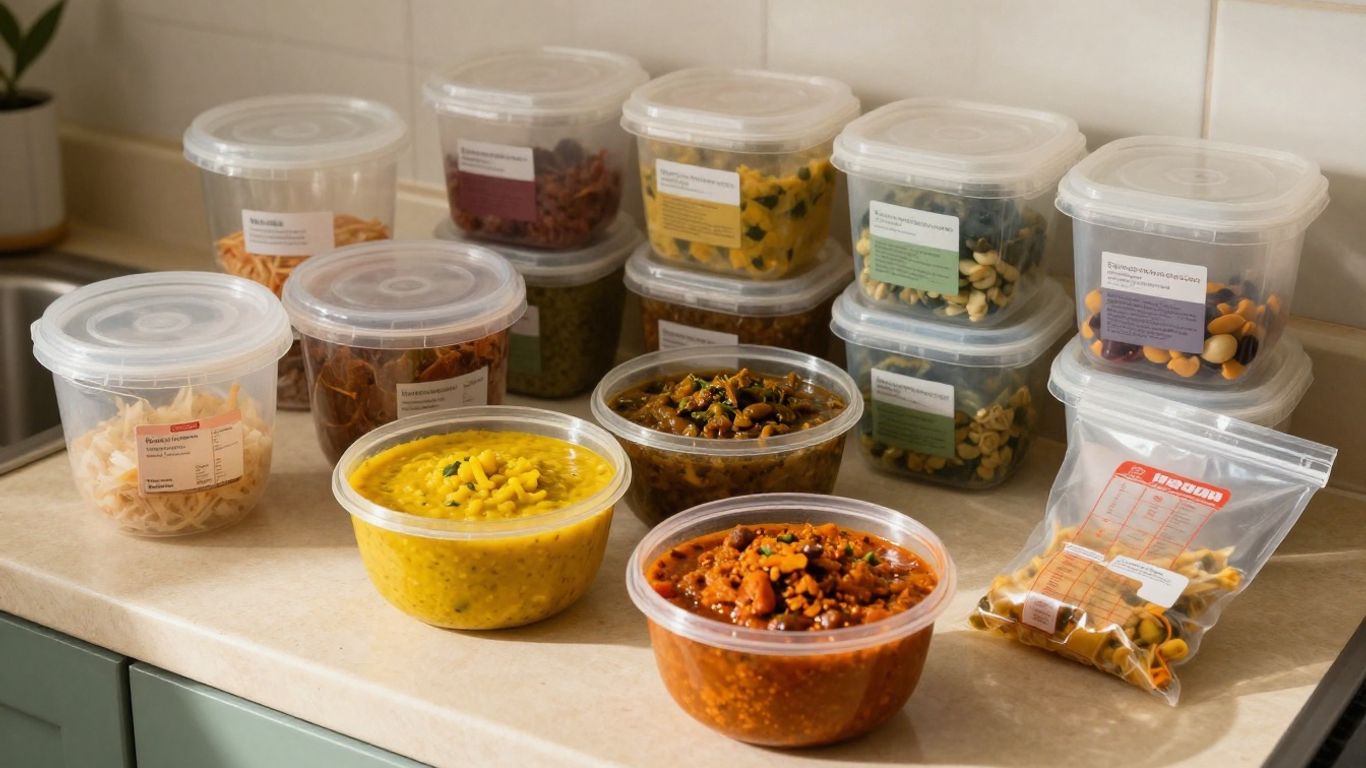
Start with the meals you already know your household will eat. A menu that includes dal, chole, rajma, kadhi, baingan bharta and familiar rice dishes may be more useful than one built around occasional treats. Look for whether a portion is intended for one person, a couple or a larger table, and check whether rice, roti or sides are included.
Portion descriptions should be read alongside the way you serve food. A meal for one person may be enough for lunch but not dinner, while a family box may allow leftovers. Choosing the right format is central to building a practical order.
Checking preparation, freezing and reheating guidance
The label should tell you how the meal is prepared, how it should be stored and whether it can be reheated from frozen. Follow the stated method rather than guessing from the dish name, especially when using an oven, hob or microwave. If the instructions are hard to find before ordering, that is a reasonable reason to contact customer support.
A service that explains its process plainly makes planning easier. For example, Saakshi's Kitchen describes its offering as home-cooked Indian meals prepared in a FSA 5-star kitchen, delivered frozen and ready to reheat. That is a specific format, so shoppers can judge it against their own freezer and evening routine.
Comparing delivery days, minimum orders and pricing
Price per meal is only one part of the calculation. Include delivery charges, minimum order values and the number of portions you are likely to use before the next shop. A slightly larger order may suit a household with freezer room, while a smaller one may be more sensible for a student sharing a freezer.
Write down the practical figures before checkout. This can include:
- the minimum order value;
- available delivery days;
- delivery charges and any threshold for free delivery;
- the number of meals each person will actually eat.
The list is simple, but it keeps the decision tied to real use rather than a tempting headline price. Subscription terms should also be clear if you are considering a recurring order.
Looking for clear ingredient and allergen information
Ingredient and allergen labelling should be easy to locate and specific enough for the people eating the meals. Read the information for each dish, since one item cannot stand in for the whole menu. If someone in the household has an allergy, ask questions before ordering rather than relying on assumptions about a recipe.
The same care applies to spice levels and meat descriptions. Kitchen-cooked meats are halal at Saakshi's Kitchen, while vegetarian choices should still be checked dish by dish against the current menu. Clear wording helps households make an informed selection without turning food into guesswork.
Understanding storage and reheating
Frozen delivery works well when the arrival routine is organised. You need enough freezer space, a way to identify the meals and a clear plan for what will be eaten first. The packaging and instructions should guide you, but good handling at home still matters. A few quiet minutes when the box arrives can make the rest of the week easier.
How to organise meals when they arrive
Check the parcel promptly and group meals by type or eating day. Keep the items that will be used soonest where they are easy to reach, and avoid leaving the box standing around while you decide where everything goes. If several people share the freezer, a labelled shelf or basket can prevent meals being forgotten.
It is useful to note which dishes need rice, roti or another accompaniment. That turns a frozen portion into a plan for dinner rather than another item to remember at the last minute. If you are buying kitchen equipment to support meal preparation, LEDSone has a collection of cooking tools and kitchen accessories; choose only what suits your own setup.
Following freezer storage instructions
Use the storage instructions on the packaging as the main reference. Keep meals frozen as directed and pay attention to any use-by guidance. If a parcel arrives in a condition that concerns you, photograph the packaging and contact the service before deciding what to do with it.
Avoid overfilling the freezer so that air can circulate and packages remain easy to retrieve. A little organisation is particularly valuable when ordering several portions for a family or sending meals to someone who may not want to search through a crowded drawer.
Choosing between microwave, oven and hob reheating
The best reheating method depends on the dish, the container and the instructions supplied. A microwave may suit a single portion, while an oven or hob can be useful when heating more than one component. Stirring where instructed and checking that the centre is hot before serving are sensible parts of the process.
Do not transfer a container to a different appliance unless the packaging says it is suitable. Reheating times are affected by portion size and equipment, so use the stated time as a guide and follow any standing instructions. The aim is a hot meal with as little fuss as possible, not a new cooking project.
Avoiding common food-handling mistakes
Most problems come from rushing the small steps: leaving food out too long, reheating only the edges or putting a partly used portion back without checking the guidance. Keep hands, utensils and worktops clean, and serve the meal once it has been heated properly. When in doubt, follow the package directions or ask the supplier.
A calm routine is more reliable than improvisation. If you are arranging meals for another person, write down the reheating method and keep the packaging nearby until the process is familiar.
Finding meals for different households
The same frozen meal service can be used in very different ways. A professional may want several quick evening options, while a family may be planning shared dishes across a week. Students often need to watch both budget and freezer space, and relatives ordering for parents may care most about clear instructions and familiar flavours. The household should shape the order, not the other way around.
Building a weekly selection for busy professionals
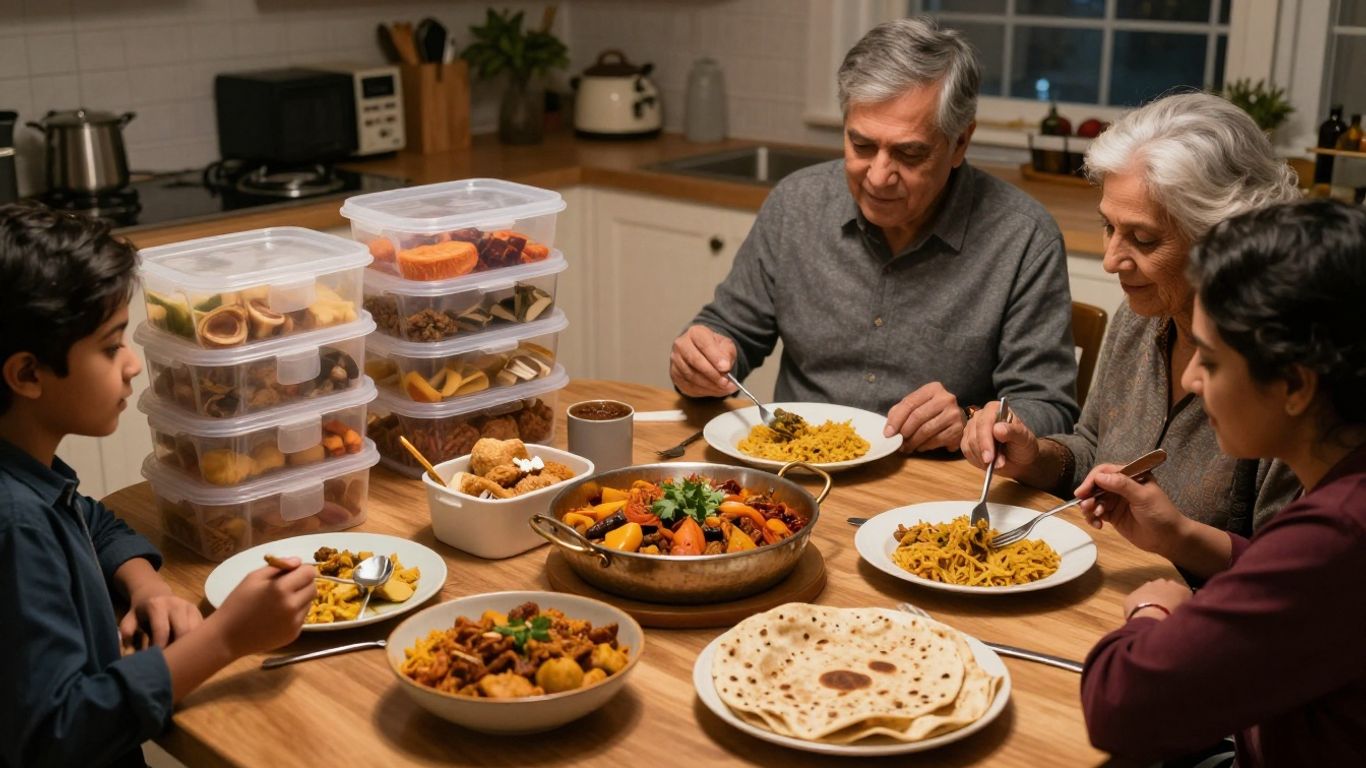
For a busy professional, variety does not have to mean a large order. Choose a few meals that cover late evenings, packed lunches and the days when there is time to sit down properly. Dishes with different textures and spice levels can make a small selection feel less repetitive.
A weekly plan also prevents last-minute takeaway decisions. The dabba meal service guide covers practical questions such as ordering windows, delivery areas and menu variety, which are useful when fitting meals around office days and late finishes.
Choosing convenient options for family mealtimes
Families usually need food that can be served at slightly different times without turning dinner into separate meals. Consider how many portions are needed, whether dishes can be combined on the table and which flavours everyone recognises. Milder spicing may be useful for a shared meal, while adults can add their own heat at the table if they wish.
For a local planning example, this family Indian meal guide looks at freezer organisation, weekly rotations and delivery arrangements. The broader lesson is to order around the household’s actual evenings, including the nights when everyone eats at a different time.
Ordering meals for elderly parents or relatives
When ordering for an older relative, familiarity and straightforward instructions can matter more than menu size. Ask about preferred portions, milder spicing and softer textures, and make sure the freezer and reheating equipment are suitable. An adult child may also want to arrange a regular delivery day and check in after the first order.
Clear communication helps preserve choice and dignity. If a relative needs practical support with their home environment, that is separate from food delivery; discreet cleanup services are described as prioritising a resident’s dignity and control, rather than as a meal-related service.
Planning affordable options for UK students
Students should calculate cost per serving, not just the total shown at checkout. Shared freezers, term dates, hall reception rules and limited kitchen equipment all affect whether an order is genuinely convenient. Smaller selections may be sensible at first, with more meals added once the routine works.
A student meal delivery guide can help compare frozen ready-to-reheat meals, meal kits and takeaway around a student timetable. Parents sending food should confirm the delivery address and hall access arrangements before placing the order.
What to check before ordering Indian meals online
A good order begins before the payment page. Read the delivery terms, understand how support works and decide what would happen if nobody is available at the address. Reviews can add context, but they should sit alongside the service’s own instructions. Taking five minutes here is usually easier than sorting out an avoidable problem later.
Confirming delivery availability in your area
Enter the full postcode rather than relying on a broad regional label. Check whether the service delivers to your building, whether there are restrictions for islands or remote areas and what happens if a delivery day is missed. For students, confirm whether the courier can leave food with reception or needs a named recipient.
Location pages can be useful when you are comparing options for a move or a relative. They may also explain delivery windows more clearly than a general homepage, so save the relevant page before ordering.
Reviewing the ordering and customer support process
The ordering process should make the menu, portion size, price and delivery date visible before payment. Look for a clear contact route and note when support is available. If you have a question about ingredients, packaging or a postcode, ask it before committing to a full box.
Support is also part of the experience after checkout. Keep the order confirmation and delivery details until the meals have been received and stored, particularly when arranging food for someone else.
Checking reviews and verified customer feedback
Reviews are most useful when they discuss specific parts of the experience: delivery condition, portion size, flavour, packaging and reheating. Look for a pattern across many comments rather than treating one enthusiastic or critical review as a guarantee. Verified feedback is more useful when the review platform explains how verification works.
You may also encounter unrelated advice while researching food services, such as a guide to wholesale LED strip lights, finding the best roofer, or CPT codes 90791 and 90837. Those pages answer different questions, so keep your comparison focused on meal delivery evidence and terms.
Understanding substitutions, cancellations and delivery issues
Before paying, find out whether meals can be substituted, orders can be amended and deliveries can be cancelled. Read the stated process for damaged packaging, delays and missed deliveries. If a problem occurs, record the order number, take photographs where relevant and contact support promptly.
Clear policies do not remove every inconvenience, but they make the next step obvious. They also help you decide whether a recurring plan is suitable or whether a one-off order is the better starting point.
Why choose Saakshi’s Kitchen for frozen Indian meals
Saakshi’s Kitchen centres its meals on Punjabi home cooking prepared in a FSA 5-star kitchen and delivered frozen for reheating. The idea is everyday food: dal, rajma, chole, kadhi and sabzi, portioned for a meal rather than presented as a restaurant-style sharing spread. It is a useful fit for people who want familiar food in the freezer and a straightforward way to serve it.
The practical details still deserve checking before every order, including current menu choices and postcode coverage. For a broader look at the offering, Saakshi's Kitchen provides information about frozen delivery, meal choices and checking whether an address is covered.
Home-cooked Indian meals prepared in a FSA 5-star kitchen
The kitchen method is rooted in family cooking: onion, tomato, ginger and garlic are cooked into the masala, spices are ground and blended in the kitchen, and a real tadka finishes the dishes where it belongs. This is not a generic curry base. It is food designed around the weekly rotation a home kitchen actually runs, with recipes kept consistent from one family kitchen.
That distinction matters when choosing between a treat and a staple. A meal of dal, sabzi and rice or roti has a different role from a large takeaway order, especially on a Tuesday when the main need is simply to feed everyone.
What the FSA 5-star kitchen rating means
An FSA 5-star rating for the FSA 5-star kitchen is a food hygiene mark, not a promise about personal taste or a guarantee that every meal will suit every household. It gives shoppers a clear piece of information about the kitchen’s hygiene inspection result. Ingredient details, reheating instructions and delivery terms should still be read separately.
That combination of evidence is more useful than relying on a single label. Check the rating alongside the menu and the practical details that affect how you will store and serve the meals.
Understanding the halal meat offering
Kitchen-cooked meats at Saakshi’s Kitchen are halal. That statement describes the meat offering and should be considered alongside the dish ingredients and any allergen information. If you need clarification about a particular meal, ask before ordering rather than assuming every menu item has the same ingredients.
Vegetarian dishes can be considered separately according to the current menu. Reading each dish’s description remains the safest way to choose meals for a mixed household.
Exploring city collections and UK delivery information
City collections can make it easier to find relevant menu and delivery information, while the wider UK delivery page can help when you are ordering for a different postcode. Start with the address, then review the available meals, portion formats and delivery arrangements. This keeps the order grounded in what can actually reach your freezer.
The strongest choice is usually the one that matches your household’s appetite, storage space and weeknight rhythm. Frozen delivery is a practical format, but the food still needs to fit the people around the table.
Conclusion
Choosing frozen Indian meals delivered UK households can use is mainly a matter of fit: familiar dishes, sensible portions, reliable delivery and instructions you can follow. Check the details before ordering, organise the freezer when the box arrives and build a rotation around real life. Punjabi home cooking, served from the freezer when needed, can make an ordinary week feel a little more cared for.
Frequently Asked Questions
Are frozen Indian meals suitable for busy weekdays?
They can be, provided the meals fit your freezer space, reheating equipment and schedule. The main advantage is having a planned option available without preparing a full dish from scratch that evening.
How should frozen Indian meals be stored?
Follow the storage instructions on the packaging and keep the meals frozen as directed. Make enough freezer space before delivery so the items can be put away promptly and kept organised.
Can frozen meals be reheated from frozen?
Some can be reheated from frozen, but the correct method depends on the product and packaging. Always follow the supplied instructions for the microwave, oven or hob.
What should I check before ordering online?
Check postcode coverage, delivery days, minimum order values, pricing, ingredients, allergens, portion sizes and the policy for delays or damaged packaging. These details determine whether the service will work in your home.
Are frozen Indian meals only for individual portions?
No. Services may offer formats for individuals, couples or families, depending on the menu. Compare the stated portion size with how your household normally serves dinner.
Are frozen Indian meals suitable for students?
They can suit students who have freezer space, suitable reheating equipment and a delivery address that accepts parcels. Cost per serving and shared-kitchen arrangements are worth checking before ordering.
How can I choose meals for an older relative?
Prioritise familiar dishes, suitable portions, milder spicing and clear reheating instructions. Confirm that the relative can store and heat the meals safely, and arrange a check-in if you are ordering from a different address.
Order home-cooked Indian meals from Saakshi's Kitchen · UK delivery locations.