

Meal delivery for university students UK: how to choose convenient home-cooked meals
Saakshi's Kitchen EditorialKey Takeaways
For students, the best meal service is one that fits real timetables, shared kitchens and a carefully watched budget.
- Check delivery coverage, reception rules and freezer space before ordering.
- Compare the cost per portion with supermarket food and takeaway meals.
- Frozen meals can suit busy weeks when cooking time and equipment are limited.
- Read ingredient, allergen and meat information rather than guessing from dish names.
- Choose familiar flavours and an ordering pattern that does not create unnecessary waste.
Why university students choose meal delivery
University life rarely follows a neat routine. Lectures, library sessions, work shifts and social plans can make cooking feel like another assignment. For anyone searching for meal delivery for university students uk, the useful question is not simply what looks appealing, but what will still work on a rainy Wednesday evening.
Managing lectures, revision and part-time work
A meal that can be reheated with little preparation may be useful after a late seminar or a shift at work. It also gives students a reliable option when the shared kitchen is busy, the washing-up has piled up or revision has taken longer than planned. That does not mean every meal needs to be delivered; it means a few dependable portions can take pressure off the week.
A small amount of planning helps. Keep meals for the busiest evenings, and leave more flexible days for cooking pasta, using leftovers or eating on campus. The right service should support a student’s routine rather than dictate it.
Reducing reliance on takeaway food
Takeaway food is convenient, particularly when several flatmates are ordering together. But repeated delivery charges, add-ons and last-minute choices can quietly stretch a weekly budget. Home-cooked-style meals offer a different kind of convenience: the meal is already prepared, while the decision about what to eat can be made earlier.
Restaurant Indian is celebration food; ghar ka khana is Tuesday night. A weekly rotation of dal, rajma, chole or seasonal sabzi feels more like an everyday meal than a sharing platter, which can make it easier to plan portions and spending.
Having familiar meals away from home
Moving away can make ordinary food surprisingly meaningful. A familiar dish, a recognisable spice profile or the combination of dal with rice can make a new room feel a little less temporary. Students may prefer Punjabi home cooking that is spiced but not necessarily hot, with dishes that resemble what might be served in a family kitchen.
Parents and students can also browse quick dinner ideas for inspiration around the delivered meals, especially when a simple side or a small shopping trip completes the evening. Familiarity is not about eating the same thing every day; it is about having a few flavours that feel dependable.
When parents may want to order for students
Parents often want to send something practical rather than another parcel of snacks. A box of frozen meals can be arranged from a distance, with the student choosing when to reheat each portion. Before ordering, check the student’s accommodation address, freezer capacity, preferred dishes and any ingredient concerns.
It is worth discussing the plan first. A thoughtful order is more useful when it matches the student’s timetable and tastes, rather than arriving as a large surprise that cannot fit in a shared freezer.
What to look for in a student meal delivery service
The best meal delivery for university students UK is not identical for everyone. One student may need occasional meals between placements, while another wants a regular supply during term time. Delivery area, menu detail, portion size and ordering terms all deserve a proper look before payment.
Delivery coverage near your university
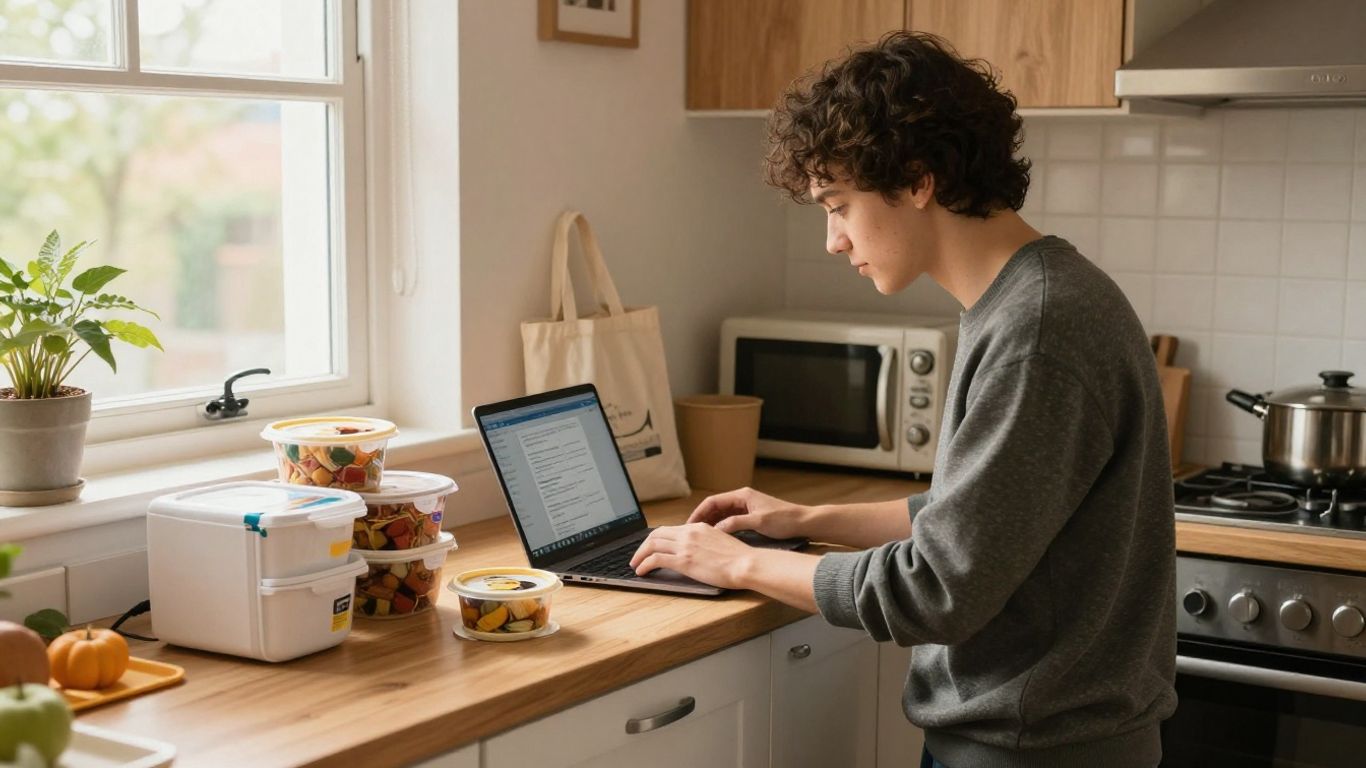
Start with the postcode, not the menu. University towns can have complicated addresses, and a service that covers the city may still need a particular delivery arrangement for halls or a private house. Check the available delivery days and whether the provider asks for a full address before placing an order.
A useful student meal guide can help you compare coverage, freezer space and reheating practicalities in one place. If a student is moving into accommodation from another part of the country, arranging food alongside long-distance movers may also help keep the first week organised, though these are separate services.
Portion sizes and meal variety
Look for clear descriptions rather than relying on photographs. Is a portion intended as one meal? Does it include rice, roti or another accompaniment, or is that separate? A varied menu might include dal, vegetable dishes and meat options, while still offering enough familiar staples for a student who does not want novelty every night.
Think about appetite, storage and flatmates too. Individual portions are easier to manage when freezer space is limited, whereas larger packs may suit students sharing food and costs.
Flexible ordering without a long commitment
Term dates, placements and travel can change quickly. One-off orders may suit a student testing a service, while a repeat arrangement can be useful once the household knows how much it will actually eat. Check how changes, pauses and cancellations work before selecting any recurring option.
Flexibility also means choosing the number of meals, not just accepting a fixed box. A service should leave room for supermarket shopping, campus meals and occasional cooking at home.
Student discounts, bundles and delivery costs
A discount can look attractive until delivery and minimum-order charges are added. Compare the final basket total, then divide it by the number of portions that will genuinely be eaten. Some students may find a bundle useful; others may spend less with a smaller order that fits their freezer and timetable.
Meal-kit pricing can be useful to research alongside other formats, and this student meal delivery resource offers a broad comparison point. Treat overseas prices and offers with caution, though: the relevant figure for a UK student is the delivered total in pounds.
Comparing frozen meals, meal kits and takeaway
These three formats solve different problems. Frozen meals prioritise storage and quick reheating, meal kits leave the cooking to the student, and takeaway is often chosen for immediacy or variety. None is automatically right; the practical choice depends on time, equipment, budget and how much effort feels realistic that week.
How frozen ready-to-reheat meals work
Frozen ready-to-reheat meals arrive prepared for storage, so students can use them when needed rather than cooking immediately. They are particularly useful when the household has a microwave, hob or oven but little time for chopping and washing up. Always follow the provider’s storage and reheating instructions, and make sure the meal is hot throughout before serving.
This format also makes portion planning clearer. A student can take out one meal for a late night instead of ordering a full takeaway because there is nothing else ready.
What meal kits require in time and equipment
Meal kits can be a good middle ground for students who enjoy cooking but want ingredients measured and a recipe supplied. They still require a clear work surface, pans, utensils, washing-up time and enough attention to follow the steps. In a crowded shared kitchen, those requirements may matter more than the advertised cooking time.
Before choosing a kit, check whether basic ingredients such as oil, salt or spices are excluded. A supposedly convenient box can become less convenient if the student has to buy several extras for one recipe.
When takeaway ordering may cost more
Takeaway can be reasonable for an occasional treat, but the total often changes once delivery, service fees, drinks and sides are included. Group orders can also encourage people to buy more than they intended. Comparing the whole receipt with the cost of a stored meal gives a fairer picture than comparing headline prices.
The choice is not moral or absolute. Takeaway has its place; it simply works better when it is a deliberate choice rather than the automatic answer to an empty fridge.
Choosing the format that fits your routine
A simple comparison can make the decision less vague. Consider what each format asks of the student, where it can be stored and how quickly it becomes a meal.
| Format | Preparation needed | Storage | Often suits |
|---|---|---|---|
| Frozen ready-to-reheat meal | Reheating and serving | Freezer | Late nights and busy weeks |
| Meal kit | Cooking and washing up | Fridge | Students who enjoy planned cooking |
| Takeaway | Ordering and waiting | None | Occasional meals or social evenings |
The table is only a starting point. A student who loves cooking may choose kits most weeks, while someone sharing one small kitchen may value frozen portions more highly.
Planning meals around a student budget
Budgeting works best when it is based on actual habits, not an idealised weekly plan. Count the meals likely to be eaten at home, then allow for campus food, groceries and nights out. The aim is to buy enough convenience to help, without paying for portions that sit unused.
Calculating the cost per portion
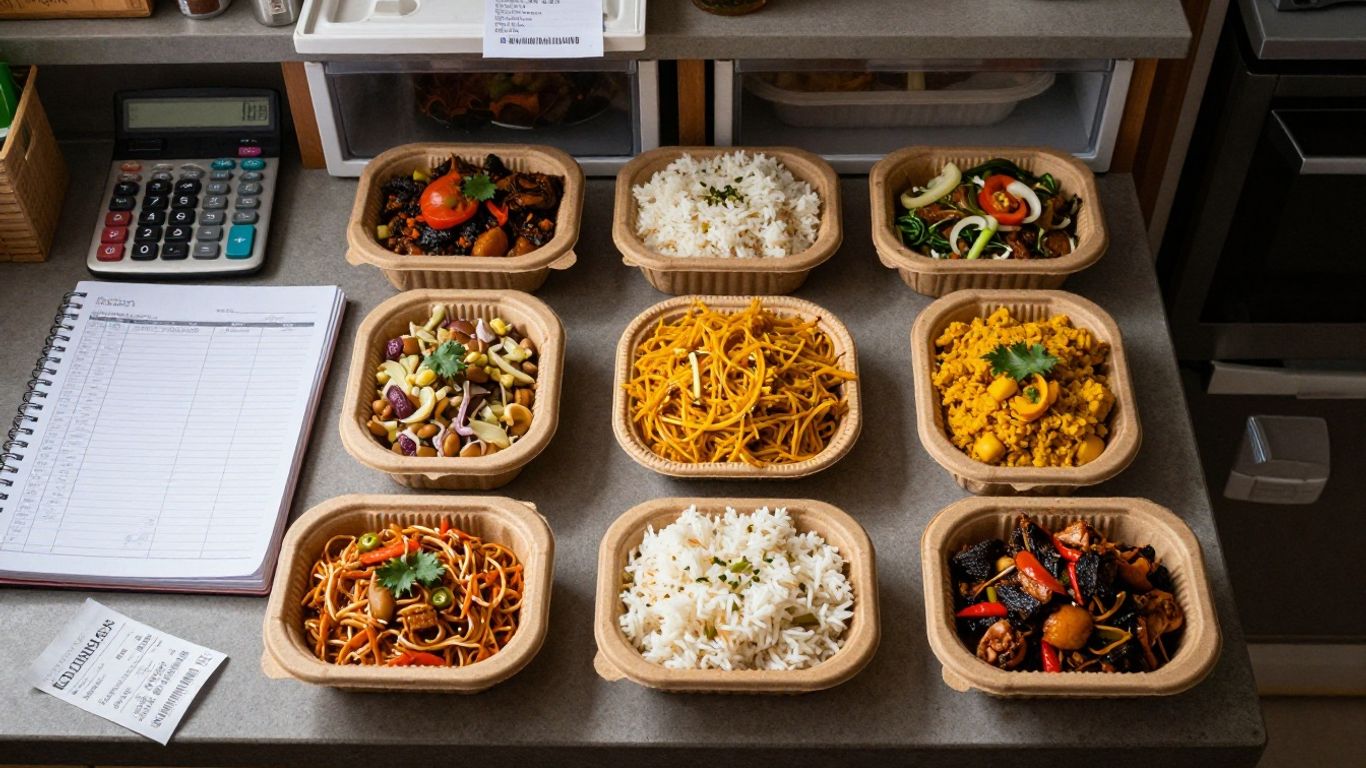
Take the full order total, including delivery, and divide it by the number of portions that will be eaten. If rice, roti or sides are separate, include the likely cost of those too. This gives a more honest comparison with a supermarket shop or takeaway receipt.
Portion size matters as much as the headline price. Two meals at different prices may not be equivalent if one is intended as a complete serving and the other needs several additions.
Balancing convenience with weekly food shopping
Meal delivery should sit alongside food shopping, not replace every item in the kitchen. Students might buy breakfast ingredients, fruit, drinks and simple lunches separately, then reserve delivered meals for demanding evenings. This approach can reduce impulse purchases while keeping some choice in the week.
A short plan is usually enough: decide which evenings are likely to be difficult, check what is already in the freezer and order around those gaps. A few budget meal-planning ideas can help students create a routine without turning dinner into a spreadsheet.
Using bundles and repeat orders carefully
Bundles can reduce the per-portion cost, but only when the portions match real consumption. Look at freezer capacity, term breaks and travel plans before committing to a larger box. Repeat orders should be easy to pause, especially around holidays and changes in accommodation.
Students can also share selected dishes with flatmates, provided ingredients and preferences are clear. Splitting a box is not automatically cheaper if everyone chooses different meals or some portions are left behind.
Checking delivery fees before paying
Delivery fees can alter the calculation more than expected. Check the final checkout page, minimum order value and any threshold for reduced delivery. It is also sensible to confirm whether the delivery date works with the student’s presence at the address.
If an appliance problem affects the shared kitchen, arrange California Appliance Repair separately rather than assuming a food provider handles household equipment. Keeping those costs distinct makes the meal budget easier to understand.
Ordering Indian home-cooked meals as a student
Indian food covers an enormous range of dishes and cooking traditions. Students may be looking for the flavours of home, a particular regional style or simply meals that feel less like restaurant food. Reading the menu closely helps distinguish a complete everyday meal from a dish designed to be ordered with several sides.
Exploring familiar dishes and regional flavours
Punjabi home cooking might include rajma chawal, kidney beans with rice; chole, chickpeas cooked with spices; kadhi, a yoghurt-based dish; or dal tadka finished with a tempering of spices. These are familiar examples, but a good menu should still explain what each dish contains and how it is served.
Saakshi's Kitchen prepares home-cooked Indian meals in a FSA 5-star kitchen and delivers them frozen, ready to reheat. That makes the format relevant to students who want everyday dishes available without treating every evening like a restaurant order.
Checking ingredients and allergen information
Students should read ingredient and allergen information before ordering, particularly when cooking and storage happen in a shared flat. Do not assume a dish is suitable because its name sounds familiar. If information is unclear, contact the provider before paying rather than trying to work it out after delivery.
It can also help to keep a note of preferred dishes and ingredients. That makes repeat ordering quicker and reduces the chance of selecting a meal that will not be used.
Understanding meat and halal options
Meat descriptions should be clear enough for students to make an informed choice. Saakshi's Kitchen states that its kitchen-cooked meats are halal. Vegetarian options should be identified separately, and students with allergies or specific dietary requirements should still check the full ingredient information.
Halal preferences can vary between households, so the student should decide what they are comfortable ordering. A clear question before checkout is better than an assumption based on a photograph or dish title.
Choosing meals for shared flats and different preferences
Shared flats often involve different spice preferences, eating times and budgets. Individual frozen portions can make this easier because each person chooses when and what to reheat. If food is shared, agree in advance on the dishes, serving sizes and how costs will be divided.
Keep strong flavours sealed and labelled in the freezer. That small bit of courtesy matters when shelves are shared and people are returning from lectures at different times.
How delivery works for university accommodation
The food itself is only part of the arrangement. Halls may have reception desks, restricted delivery times and rules about parcels, while private houses may have limited safe places. Confirming the practical details early prevents a box from arriving when nobody can receive it.
Using halls of residence addresses
Use the full address supplied by the university or accommodation provider, including the building name, room details where appropriate and a student telephone number. Some halls have several entrances with similar names, so a shortened address may cause confusion.
Ask the student whether deliveries go to reception or directly to the building. During the first weeks of term, reception teams can be particularly busy, and clear instructions help everyone.
Checking reception and safe-place policies
Not every accommodation provider accepts food deliveries on behalf of residents. Check whether frozen parcels can be held, how long they may remain there and whether a safe-place instruction is permitted. If the policy is unclear, speak to reception before choosing a delivery date.
A delivery to a private house may need a neighbour or another agreed location. Never rely on an unconfirmed safe place for food that needs to remain frozen.
Planning around delivery days and term dates
Students should order for a day when they will be available, especially during induction, exams and university breaks. Term dates can differ from the dates shown on a course timetable, so check travel plans before a repeat order is scheduled.
Parents sending food from elsewhere should confirm the student is still at the address. A short message beforehand is often enough to turn a well-meant delivery into a useful one.
Storing meals safely after delivery
Move meals into the freezer as soon as possible after receiving them, following the provider’s instructions. Leave enough room for air circulation and avoid overfilling a small freezer drawer. Keep packaging or take a photograph of the label so reheating and allergen details remain available.
If the order arrives damaged, partly thawed or with missing items, contact the provider promptly and keep the packaging until the issue is resolved. Do not guess about storage when the condition of the food is uncertain.
Choosing Saakshi’s Kitchen for student meals
Students comparing home-cooked Indian meals can begin by checking whether the service matches their location, freezer and menu preferences. Saakshi’s Kitchen is centred on home-cooked Indian meals prepared in a FSA 5-star kitchen, delivered frozen and ready to reheat. The details matter more than broad promises: students should read the menu, delivery information and storage guidance before ordering.
Browsing student and university location pages
Location pages can make postcode checking more straightforward, particularly for students living outside the largest cities. Look for the university or town, then confirm the exact address at checkout rather than assuming nearby coverage applies.
Students can also compare the practical guidance in a halal student meal guide, including questions about ingredients, allergens, portions and delivery timing. It is a useful checklist before choosing a first box.
Ordering frozen meals from the FSA 5-star kitchen
Saakshi’s Kitchen prepares home-cooked Indian meals in its FSA 5-star kitchen and delivers them frozen, ready to reheat. The menu’s Punjabi home-cooking angle suits students who want dishes such as dal, rajma or sabzi for ordinary evenings rather than restaurant-style ordering.
A student should order according to freezer space and likely demand. Starting with a manageable selection makes it easier to learn which dishes fit the household’s tastes and schedule.
Reheating meals with shared-kitchen equipment
Shared kitchens vary widely. Check whether the accommodation provides a microwave, oven or hob, and read the reheating directions for the chosen meal. A microwave may be convenient, but students should still follow the stated timing and allow the food to heat through.
Keep a microwave-safe plate or suitable container available if the packaging requires transfer. Planning this small detail can make a late meal much less fiddly.
Using reviews and delivery experience to compare options
Reviews can help with expectations around flavour, portioning and delivery, but they should sit alongside the student’s own requirements. Saakshi’s Kitchen has 4.6★ from 800+ verified reviews and has made 16,000+ deliveries; these figures describe the service’s published proof, not a guarantee of an individual student’s experience.
The most useful comparison is still practical: did the delivery reach the right address, did the meals fit the freezer, and did the menu suit the student’s preferences? For accommodation questions, university delivery planning offers another set of points to check, including reception arrangements.
Conclusion
Choosing meal delivery for university students UK comes down to fit: fit with the timetable, the freezer, the shared kitchen, the budget and the flavours that make a new place feel familiar. Compare the full cost, read the practical details and begin with an order that reflects real habits rather than an imagined perfect week.
Frequently Asked Questions
Is meal delivery suitable for university students?
It can be suitable when students have limited time, a usable freezer and a clear delivery arrangement. The best choice depends on budget, portion needs, kitchen equipment and how often the student eats at home.
Are frozen meals practical in student accommodation?
They can be practical if the accommodation permits food deliveries and provides enough freezer space. Students should check storage guidance and make sure they have the equipment needed for reheating.
How can students compare meal delivery costs?
Add the food price, delivery fee and any sides or accompaniments, then divide the total by the portions likely to be eaten. Comparing that figure with supermarket and takeaway spending gives a more useful result.
Should students choose a subscription or a one-off order?
A one-off order can help students test the menu and delivery process. A repeat arrangement may suit a stable term-time routine, but students should check how easily it can be paused around holidays and travel.
What should students check for allergens?
Read the ingredient and allergen information for every dish, even if the recipe is familiar. If the details do not answer a question, contact the provider before ordering.
Can parents order meals for students?
Parents can arrange meals remotely when the student’s address, delivery policy and preferences have been confirmed. It is sensible to check freezer space and the likely delivery date first.
What equipment is needed to reheat delivered meals?
The required equipment depends on the provider’s instructions, but students commonly need access to a microwave, oven or hob. They should follow the stated method and ensure the meal is heated thoroughly before eating.
Order home-cooked Indian meals from Saakshi's Kitchen · UK delivery locations.
Students: 15% off every order over £40
Verify once with Student Beans and 15% comes off every one-off order over £40 at checkout, for as long as you are studying. First order? Use FIRST20 for 20% off instead. One code per order, so the two do not stack.
Get the student discount → · Student meal boxes for UK students