

How to choose halal student meal delivery in the UK
Saakshi's Kitchen EditorialKey Takeaways
A suitable halal student meal delivery service should fit both your dietary requirements and the untidy rhythm of university life.
- Check how halal ingredients and kitchen-cooked meats are described.
- Confirm whether meals arrive frozen and how they should be stored.
- Compare serving prices, delivery charges and bundle conditions.
- Choose familiar dishes and enough variety for a changing timetable.
- Test a small order before committing to regular deliveries.
What to look for in halal student meal delivery
Choosing meals for university is about more than finding something labelled halal. You need clear information, useful portions and a format that works in a shared kitchen or small freezer. A good halal student meal delivery service should make the practical details easy to understand before you pay.
Understanding halal preparation and ingredient information
Start by checking the wording used for meat and preparation. “Halal” can mean different things to different shoppers, so look for a clear explanation of what the kitchen actually provides rather than relying on a badge or a broad marketing phrase. Saakshi's Kitchen states that its kitchen-cooked meats are halal, and its meals are home-cooked Indian food prepared in a FSA 5-star kitchen.
Ingredient lists also help you decide whether a dish resembles the food you want to eat regularly. Look for recognisable ingredients, named dishes and enough detail to ask sensible questions about sauces, garnishes or substitutions. If the information is vague, contact the company before ordering.
Checking whether meals are frozen, frozen or ready to reheat
Meal format affects everything from storage to the time you need after a late seminar. Saakshi's Kitchen delivers meals frozen and ready to reheat, which can suit students who want to keep several portions for different evenings. Do not assume that every service uses the same format: check whether the food arrives frozen, refrigerated or ready to eat, and follow the stated storage advice.
Frozen meals can be particularly practical when your timetable changes without warning. You can take out only what you need, provided you have enough freezer room and do not leave food sitting out unnecessarily. A simple reheating method is useful, but the package instructions should always take priority.
Reviewing portion sizes, meal variety and menu rotation
Portion size is personal. Someone eating after a long shift may want a substantial plate, while another student may prefer smaller meals alongside fruit, toast or something from the supermarket. Read the serving description and, where available, look at photographs with a little caution: a picture cannot tell you how filling a portion will be for you.
Menu rotation matters as much as the first box. Familiar Punjabi home cooking might include dal tadka, rajma chawal, chole or kadhi, while a changing menu stops a weekly order becoming repetitive. The student meal guide is useful for thinking through portions, freezer space and ordering around academic schedules.
Confirming allergen and dietary information before ordering
Allergen information should be checked before you put a meal in your basket, especially when you share cupboards and cooking equipment with flatmates. Read the full labelling, note any “may contain” statements and ask how cross-contact is managed if the website does not explain it. Vegetarian preferences should be stated plainly, rather than inferred from a dish name.
It is also worth checking spice descriptions and ingredient changes. Recipes can be adjusted over time, and a meal that sounds familiar may contain an ingredient you do not usually eat. Clear labelling saves guesswork when you are ordering from a new kitchen.
How meal delivery fits around university life
A meal box should reduce decisions, not create another timetable to manage. Think about when you normally eat, where a parcel can be delivered and how much room you have for storage. The right arrangement may be a one-off box during exams rather than a permanent subscription.
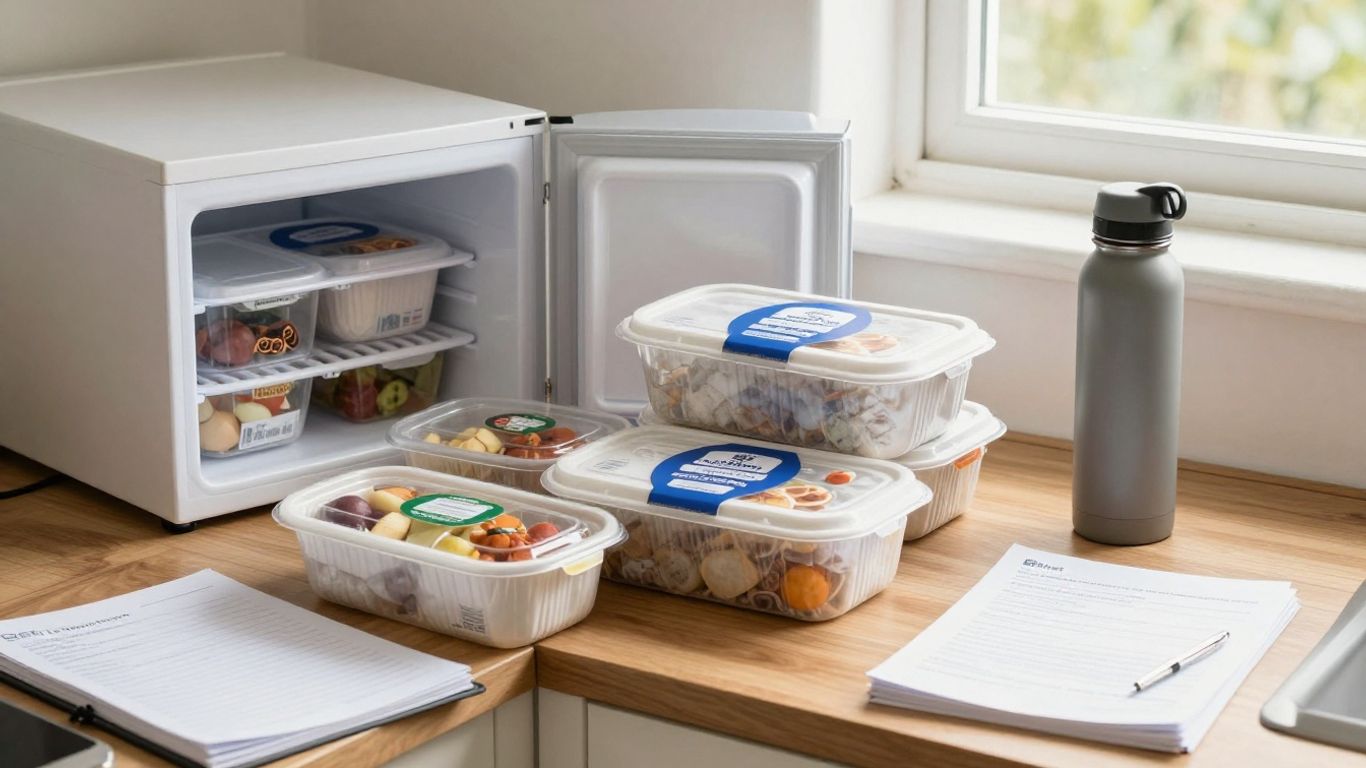
Planning meals around lectures, placements and part-time work
Map out the awkward evenings first: placement days, late library sessions, society events and shifts at work. A meal that can be taken from the freezer and reheated later gives you more control than relying on a takeaway when plans change. Keep a couple of portions for the nights when cooking feels unrealistic, but avoid ordering more than your freezer and appetite can handle.
A weekly view is enough. You do not need a rigid meal plan; simply identify two or three dependable meals and leave the remaining evenings open for cooking, eating with friends or using what is already in the cupboard.
Choosing individual meals, bundles or subscription options
Individual meals are a sensible way to learn whether the flavours and portions suit you. Bundles can make planning easier, while subscriptions may be useful if you know you will be in the same accommodation for several weeks. Read the cancellation, pause and renewal terms before choosing recurring delivery.
A service offering one-off boxes gives you room to respond to placement blocks, reading weeks and changes in household plans. For a wider look at home-cooked delivery arrangements, compare the practical ideas in this delivery options overview, particularly the distinction between one-off orders and regular boxes.
Ordering for term time, holidays and shared accommodation
University calendars are full of gaps, so do not set a recurring order and forget about it. Check when you will be away for reading week, Christmas, Easter or the summer, and leave enough time to alter an order before dispatch. Shared accommodation also makes it worth agreeing who will be home and which freezer shelf is available.
If a parent is ordering for a student, confirm the student’s actual address and preferred contact number rather than assuming the university’s main postcode is enough. A short message to the recipient can prevent a parcel being left in the wrong block.
Managing deliveries in halls and private student housing
Halls often have reception desks, controlled entrances and rules about food parcels. Private houses may have a safe place, but that still needs to be agreed with housemates. Check the courier instructions, use a delivery day when someone can receive the box and keep the order details accessible on your phone.
For a first delivery, choose a week when you are likely to be present. That gives you time to inspect the packaging, put meals away promptly and report any issue while the order information is easy to find.
Comparing the cost of student meal options
Price comparisons become clearer when you separate the cost of the food from the cost of convenience. A supermarket shop may be cheaper for staples, while a delivered meal can save preparation time and reduce the temptation to order dinner at short notice. Compare like with like, including the number of servings and any food that would otherwise be wasted.
Calculating the cost per serving
Take the total box price and divide it by the number of complete portions, not by the number of packets if one packet serves two people. Then add delivery and any extras that are required for the order. This gives you a more realistic figure than the headline price.
| Cost item | What to check | Why it matters |
|---|---|---|
| Meal price | Total number of servings | Shows the basic portion cost |
| Delivery | Standard and remote-area charges | Changes the final box price |
| Minimum order | Required spend or meal count | May affect a small first order |
| Storage | Freezer space and containers | Prevents avoidable waste |
The final figure is only useful if the portions suit you and the meals are actually eaten. A slightly higher per-serving price may make sense when it replaces an expensive last-minute takeaway, but not when half the box sits unused.
Comparing delivery fees, minimum orders and discounts
Read the checkout page carefully. Some services display a low meal price but add delivery later, while others require a minimum spend before an order can be placed. Student promotions may be temporary, limited to a first order or unavailable on subscriptions, so treat them as a bonus rather than the basis of your budget.
A useful comparison includes the ordinary price after the offer ends. This keeps your decision grounded if you enjoy the first box and want to order again.
Balancing meal delivery with supermarket shopping
Meal delivery does not have to replace your entire food shop. You might use delivered portions for evening meals and buy breakfast foods, fruit, drinks and cooking staples separately. That mixed approach can be easier to manage in a shared flat, where cupboard space and cooking preferences vary.
The key is to avoid buying two versions of the same meal. Check what is already in the freezer before placing another order, and keep a simple note of meals that need using first.
Deciding when a larger bundle offers better value
A larger bundle can reduce the cost per portion, but only if you have room to store it and enough variety to keep eating it. Think about the number of weeks remaining in the term, upcoming travel and whether anyone else can share the order. The cheapest box is not the best value if it causes waste or leaves you bored with the menu.
A small trial followed by a larger order is often more sensible than buying several weeks of meals immediately. It lets you judge portion size, reheating time and how well the food fits your routine.
Choosing meals that suit your routine
University food is partly about convenience and partly about comfort. A familiar dish can feel like a proper pause between lectures, especially when you are far from home. Look for meals that match your preferred spice level, appetite and available equipment rather than choosing only by the most attractive photograph.
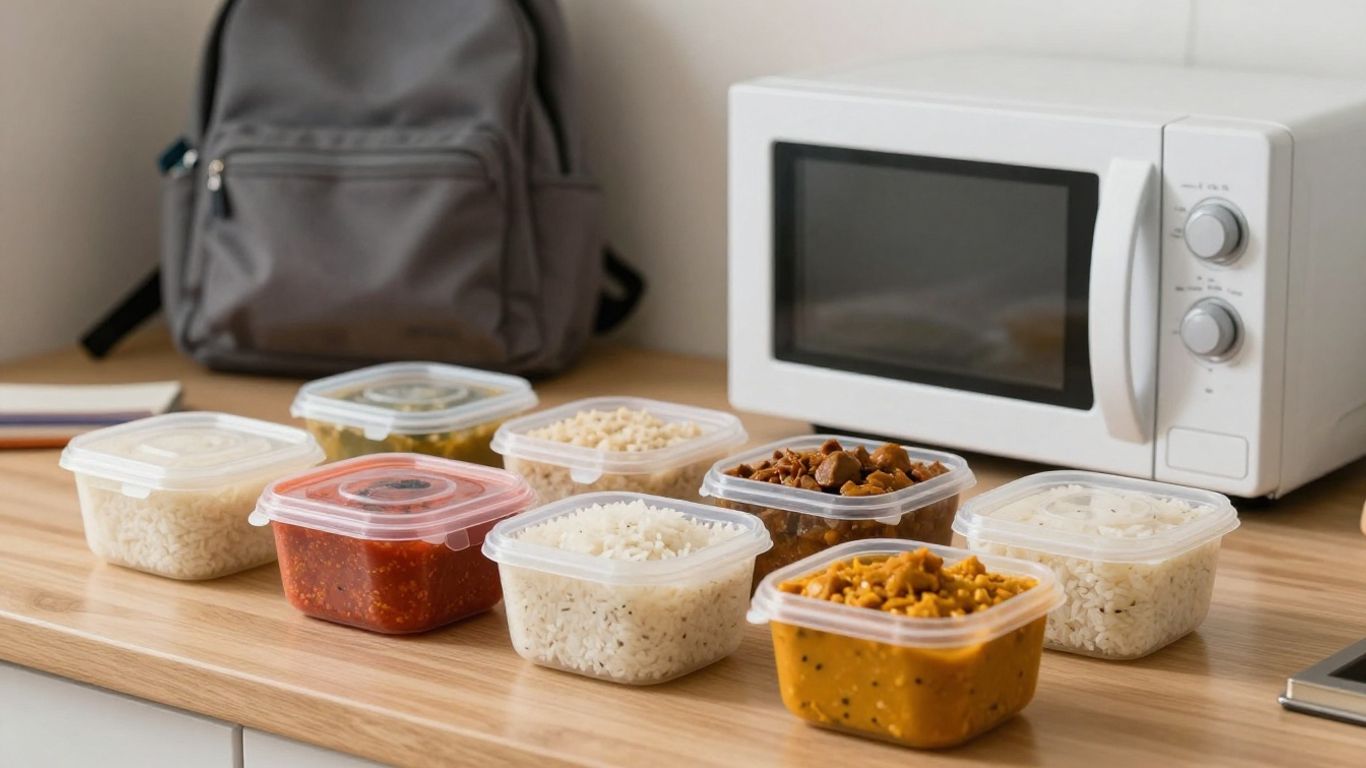
Selecting familiar home-cooked Indian dishes
Home-cooked Indian food has a different place in the week from restaurant food. Restaurant Indian is celebration food; ghar ka khana is Tuesday night. Dishes such as rajma chawal, chole, kadhi and dal tadka bring different textures and flavours without requiring you to decide what to order after a tiring day.
Saakshi's Kitchen focuses on home-cooked Indian meals, delivered frozen and reheated to serve. The approach is suited to students who want everyday dishes rather than a sharing platter, with a menu that can feel closer to the food cooked in a family kitchen.
Building a mix of vegetarian meals and halal meat dishes
A varied box might include vegetarian dishes alongside meals containing halal meat. This gives you options for different days and makes it easier to share with a flatmate who has a different preference. Check each dish individually rather than assuming that every item in a mixed box follows the same recipe.
If you are comparing a range of cuisines or preparation styles, a halal meal preparation guide can help you identify the questions worth asking about cooking, delivery and reheating. Keep the focus on the specific information supplied by the service you choose.
Choosing meals for quick reheating after a long day
Look for clear reheating instructions and an appliance you can actually use. A microwave is common in halls, but some students rely on an oven or hob, so check the stated method before ordering. You should also allow time for the centre of a meal to heat properly rather than eating as soon as the surface feels warm.
Saakshi's Kitchen meals are delivered frozen and ready to reheat, which can suit a student who wants to keep several evening options available. Watch the timing on the packet, stir where instructed and let the food stand if the instructions call for it.
Adapting orders to changing preferences and schedules
Your first choice may not remain your best choice after a month. Exam periods, house moves, new dietary preferences and changing work hours can all alter what you need. Choose an ordering arrangement that can be paused or changed, and review the menu before each repeat order.
Keep notes after the first box: which dishes you enjoyed, which portions lasted, and which meals were easiest to reheat. That small record makes the next order more deliberate.
Checking delivery coverage and practical details
A meal service may look ideal until you enter your postcode or read the delivery conditions. University areas can have unusual access arrangements, and a nationwide claim may still exclude a particular postcode. Verify the details before planning a term around the service.
Confirming delivery to your university postcode
Use the service’s postcode checker where one is available, then compare the result with your full accommodation address. A university campus, private house and halls reception may all use different delivery instructions. If you are near the edge of a service area, ask customer support before ordering rather than relying on an old address.
The UK delivery locations information is a helpful example of the kind of coverage detail to look for when assessing frozen meal delivery. Always confirm your own postcode at checkout because coverage and conditions can change.
Understanding dispatch days and estimated arrival times
Dispatch days affect when you need to be at home and when freezer space must be ready. Check whether orders leave the kitchen on fixed weekdays, whether weekends are excluded and what happens during bank holidays. An estimated arrival window is not the same as a guaranteed appointment, so plan with a little flexibility.
For a first order, avoid choosing a delivery date that falls immediately before you leave for a weekend. You want enough time to receive and store the meals properly.
Preparing freezer space before the order arrives
Measure the space rather than guessing. Remove old items, group food by type and leave room for the number of portions you are buying. In halls, confirm that the freezer is working well and that housemates know which shelf or drawer is yours.
A simple preparation list can prevent a rushed delivery-day scramble:
- Clear one shelf or drawer before dispatch.
- Check that the freezer is operating at the stated temperature.
- Keep a marker or note for identifying your meals.
- Plan which portions you will use first.
Once the space is ready, put the meals away promptly and keep the storage instructions nearby. The preparation takes only a few minutes but protects the value of the order.
Checking packaging, storage instructions and use-by guidance
Inspect the outer packaging when the parcel arrives and make sure the food is still appropriately frozen. Read the labels before stacking meals, noting storage guidance, allergens, reheating directions and use-by information. If anything looks damaged or unclear, photograph it and contact the provider promptly.
Do not transfer meals to unlabelled containers unless you also keep the original information. In a busy shared kitchen, clear labels make it easier to choose safely and avoid confusion.
How to order halal student meals with confidence
The safest approach is gradual. Compare the information available, ask questions where needed and use a small first order to test the practical experience. You are checking not only flavour, but also communication, packaging, storage and whether the meals work with your week.
Comparing menus, reviews and company information
Read the menu alongside the ingredient and storage information. Reviews can reveal useful patterns about portion size, delivery communication and reheating, but individual experiences are not guarantees. Company information should explain where meals are prepared, how meat is described and what happens after dispatch.
Some comparison subjects sit outside food, so use them only for their decision-making structure: garage software choices, IPTV service checks and a privacy policy guide all illustrate why fees, terms and data handling deserve a close read. For food orders, apply the same habit to the details that actually affect your meal.
Starting with a small selection before placing a larger order
A first box should answer practical questions without tying up too much money or freezer space. Choose a few different dishes, including at least one familiar favourite and one meal you are curious about. Note how each portion reheats, whether the serving suits you and how long the food takes to become part of your routine.
This trial also gives you a chance to check whether the delivery address and reception arrangements work. If the experience is smooth, a larger bundle becomes a more informed decision rather than a guess.
Storing frozen meals safely after delivery
Move frozen meals into the freezer as soon as possible and keep them in their original packaging. Follow the storage instructions on each label, especially if the meals have different use-by guidance. Avoid repeatedly taking the whole box in and out while deciding what to eat.
If a meal has thawed substantially or the packaging is damaged, do not make assumptions. Keep a record of the issue and contact the provider for specific advice.
Reheating meals according to the stated instructions
Use the stated appliance, timing and standing period for each dish. Microwave power varies, so a meal may need a little adjustment while still reaching an even serving temperature. Stir or turn the food only when the instructions say to do so, and make sure the centre is hot before eating.
The most useful routine is simple: select one portion, read its label, reheat it as directed and return the remaining meals to the freezer. That keeps halal student meal delivery convenient without turning storage and preparation into another university task.
Conclusion
The best halal student meal delivery choice is one that explains its preparation, arrives in a format you can store, offers food you genuinely want to eat and fits your address, budget and timetable. Start small, read every label and let your first order show you what works before committing to a larger routine.
Frequently Asked Questions
What does halal mean when choosing student meals?
Check how the provider describes its ingredients and preparation, particularly for meat. If the wording is unclear, ask the company directly before ordering rather than assuming that every item in a mixed menu follows the same standard.
Are frozen meals practical for university students?
They can be practical when you have reliable freezer space and clear reheating instructions. They allow you to keep several meals available, but you should plan storage before the parcel arrives.
How many meals should a student order first?
A small selection is usually the safest starting point. It lets you assess portion sizes, flavours, packaging and delivery arrangements without filling a shared freezer or committing to a recurring plan.
How can I compare the real cost of meal delivery?
Divide the total price by the number of complete servings, then include delivery charges and any minimum order. Compare that figure with the meals you would otherwise buy or cook, including ingredients that might go unused.
Can I combine delivered meals with supermarket food?
Yes. Many students use delivered meals for selected lunches or dinners and buy breakfast items, drinks, fruit and cooking staples separately. This can make the budget and storage requirements easier to manage.
What should I check before delivery to halls?
Confirm the full address, reception rules, access arrangements and the day someone will be available. Also clear enough freezer space and tell housemates which shelf or drawer is being used.
How should frozen meals be reheated?
Follow the instructions on the individual label, including the appliance, timing and standing period. Make sure the centre is hot before eating, since microwave power and meal sizes can vary.
Order home-cooked Indian meals from Saakshi's Kitchen · UK delivery locations.
Students: 15% off every order over £40
Verify once with Student Beans and 15% comes off every one-off order over £40 at checkout, for as long as you are studying. First order? Use FIRST20 for 20% off instead. One code per order, so the two do not stack.
Get the student discount → · Student meal boxes for halal student meals