

Indian Meal Delivery for Elderly Parents in Cambridge | Saakshi's Kitchen
Saakshi's Kitchen EditorialKey Takeaways
Arranging meals for an older parent in Cambridge can be a practical way to keep familiar food in the weekly routine, even when you live elsewhere.
- Frozen Indian meals can be stored and reheated when needed.
- Familiar Punjabi dishes may make everyday meals feel more like home.
- Clear instructions help relatives, carers and parents manage deliveries.
- Portion size, texture, spice level and ingredients are worth checking.
- A simple ordering rhythm can reduce last-minute decisions.
Why Indian meal delivery can help families supporting elderly parents in Cambridge
When an elderly parent lives in Cambridge and their adult children live elsewhere, food can become one more thing to coordinate. An indian meal delivery for elderly parents cambridge arrangement can provide a dependable option without asking relatives to cook every visit. The most useful plan is usually simple, familiar and fitted around how the household already eats.
Making regular meals easier to organise from a distance
A meal delivery routine gives families something concrete to plan around. You can choose dishes online, check the delivery address, and arrange for someone to put the parcel away when it arrives. That does not replace a phone call or a visit, but it can remove one small piece of weekly uncertainty.
The arrangement works best when it reflects the parent’s real routine rather than an imagined one. Ask which evenings are hardest, whether they prefer smaller portions, and who can help with reheating. A short note beside the freezer can be just as useful as a complicated schedule.
Familiar ghar ka khana for everyday routines
Food often carries memories of family kitchens, Sunday lunches and ordinary Tuesday evenings. Punjabi home cooking such as dal tadka, rajma chawal, kadhi or chole can feel recognisable without being treated as a special occasion. Restaurant Indian is celebration food; ghar ka khana is Tuesday night.
The aim is not to introduce a long list of unfamiliar dishes. Start with meals your parents already enjoy, then add one new option occasionally. Familiar flavours can make choosing lunch or dinner feel easier, particularly when appetite varies from day to day.
Reducing the pressure on relatives and carers
Relatives and carers may already be helping with shopping, appointments, household tasks and company. Having meals ready to reheat can make the food part more manageable, while still leaving room for someone to prepare toast, fruit or a preferred side at home. Small practical choices matter when care is being organised across different households.
A useful division of responsibility might be that one person places the order, another checks the freezer, and a carer follows the packet instructions. Keep the arrangement flexible, especially around holidays, visits and changes in routine.
For many families, the following checks are enough to keep the process straightforward:
- Confirm the Cambridge postcode before paying.
- Choose dishes that match familiar tastes and textures.
- Leave written reheating instructions near the microwave or oven.
- Tell the recipient who is expected to receive the parcel.
Once these details are agreed, the order becomes part of the household routine rather than another ad hoc favour. It also gives relatives a clear way to review what is working.
Ordering meals for one parent or a larger household
A single parent may prefer several individual meals that can be used when convenient, while a couple may want dishes that work together over a few days. Think about freezer capacity, appetite and whether meals will be eaten alone or shared. Ordering too much at once can be as awkward as ordering too little.
For a Cambridge address, the Cambridge meal delivery page can be a useful place to review local delivery information before building a box. Families can then choose a quantity that feels realistic, rather than treating a large order as automatically better.
How Saakshi's Kitchen meal delivery works
The basic arrangement is designed around home-cooked Indian meals prepared in a Brighton kitchen and delivered frozen, ready to reheat. That format can suit families who need food to wait safely in the freezer until it fits the week. It also means the recipient and the person ordering can plan meals without relying on a same-day delivery.
The practical details still deserve attention. Before ordering, consider whether the parent can use the chosen appliance, where the parcel will be left, and who can help on delivery day. A calm first order is usually easier than trying to solve every possible issue at once.
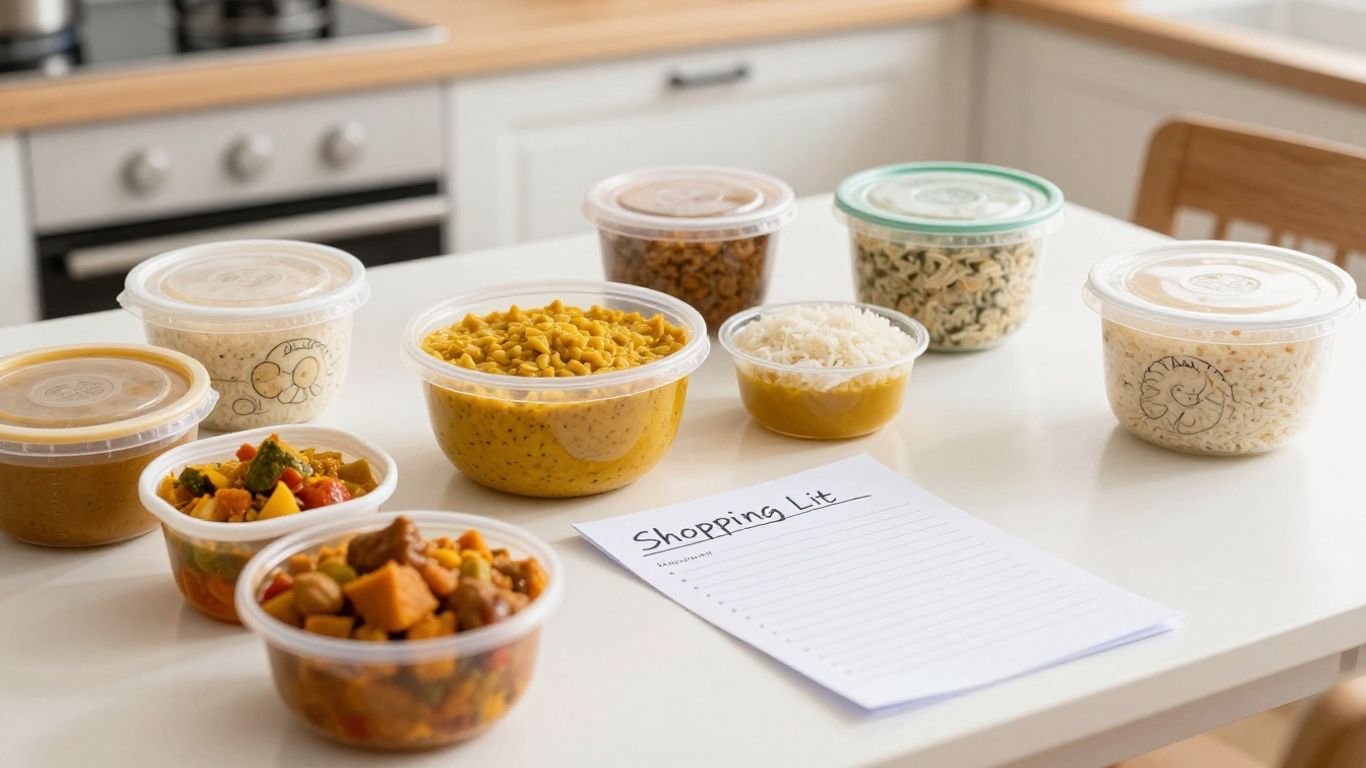
Choosing Indian meals from the online menu
Begin with dishes that sound familiar and read the descriptions carefully. A box might include dal, a vegetable dish, rice or breads, allowing the parent to put together meals in the way they prefer. The online menu is also a good place to compare vegetarian choices, meat dishes and listed allergens.
It can help to write down three groups: meals they already request, meals they might try, and meals to avoid. This keeps the first order personal and prevents a well-meaning relative from filling the basket with dishes nobody wants.
Understanding frozen delivery and reheating
Frozen delivery is useful because meals can be stored until needed, but the packet instructions should always lead the process. Check whether a dish should be reheated from frozen, whether it needs stirring, and how long it should stand before serving. Appliances vary, so the parent or carer should use the stated guidance rather than guessing.
A few minutes spent learning the first meal can make later reheating feel routine. The family can then record any practical preferences, such as using a lower setting or transferring food to a suitable dish where the instructions allow it.
Planning deliveries around your parents’ schedule
Choose a delivery day when somebody can be available, or when a trusted person can check the parcel promptly. Avoid placing an order just before a long trip, a hospital appointment or a week when the freezer is already full. A regular day can make the whole arrangement easier to remember.
If adult children are ordering remotely, agree who will send a message after delivery. That simple confirmation can prevent uncertainty and gives the family a chance to notice if anything needs changing next time.
Checking delivery details for a Cambridge address
Double-check the full address, postcode, access information and any safe place instructions before completing an order. A flat, sheltered housing development or care setting may have a reception desk or a particular delivery window. Clear details are especially helpful when the person placing the order is not the person receiving it.
For wider background on arranging meals for an older relative from a distance, this UK meal delivery guide offers another way to think through ordering and delivery questions. Apply only the details that fit your parents’ own home and routine.
Choosing Indian meals your parents will enjoy
A good meal plan starts with preference, not a generic idea of what an older person should eat. Ask about regional flavours, favourite family recipes, disliked ingredients and the amount of heat that feels comfortable. The goal is food they will actually look forward to opening and reheating.
It is also worth treating texture and portion size as personal matters. One parent may enjoy a soft dal with rice, while another prefers a vegetable curry with roti. A little conversation before ordering can make the box more useful and reduce waste.
Selecting familiar regional dishes and comforting favourites
Punjabi dishes such as rajma chawal, kadhi, dal tadka and chole have a place in many family kitchens. Rajma chawal pairs kidney bean curry with rice, while kadhi brings a gently tangy yoghurt-based sauce; these short descriptions can help when comparing menu choices. If your parents grew up with a different regional style, start there instead.
You can also ask what they cooked on ordinary weekdays. The answer may point to a dependable rotation of dal, seasonal sabzi and rice rather than elaborate dishes reserved for celebrations. That is often the most natural place to begin.
Balancing curries, rice dishes, breads and sides
A varied box gives parents more than one way to assemble a meal. Consider how a curry will be served, whether rice is easier than bread on a particular day, and whether sides are likely to be eaten. The right combination is the one that fits the household’s habits, not the one with the most items.
A simple comparison can help when building an order:
| Meal element | Useful question | Possible choice |
|---|---|---|
| Main dish | What flavour feels familiar? | Dal, rajma or a vegetable curry |
| Accompaniment | What is easiest to serve? | Rice, roti or another listed bread |
| Texture | What does the parent prefer? | Softer dal or a thicker curry |
| Quantity | Will it be eaten alone or shared? | Individual meals or several portions |
This approach keeps the box practical. It also makes it easier to notice which combinations are genuinely enjoyed and which items remain in the freezer.
Considering preferred spice levels and textures
Milder does not have to mean bland. Many families prefer food that is spiced and aromatic without the high heat often associated with a restaurant curry. Ask whether your parents like a smooth dal, tender vegetables, a thicker sauce or something with more bite.
Texture can change the experience of the same meal, so do not assume that a dish enjoyed years ago will suit every current preference. A carer or visiting relative can help identify what is comfortable to serve and what should be left for another household member.
Checking dish descriptions and allergen information
Read the ingredient and allergen information before ordering, particularly if your parent has a known allergy or avoids a particular ingredient. Keep the packaging until the meal has been eaten, so the details remain available to anyone helping with preparation.
If something is unclear, ask customer support before paying rather than relying on an assumption. This is also a good moment to note preferences in the family’s ordering record, while remembering that each new dish still needs to be checked.
Reheating and storing meals at home
Once meals arrive, the kitchen setup matters as much as the order itself. Make room in the freezer, keep packets together, and agree where the reheating instructions will be stored. A tidy system can make an independent parent feel more in control of mealtimes.
The process should be adapted to the person, not forced on them. Some parents will happily use a microwave, while others will prefer a relative or carer to handle the preparation. Clear roles prevent rushed decisions and reduce the chance that a meal is forgotten.
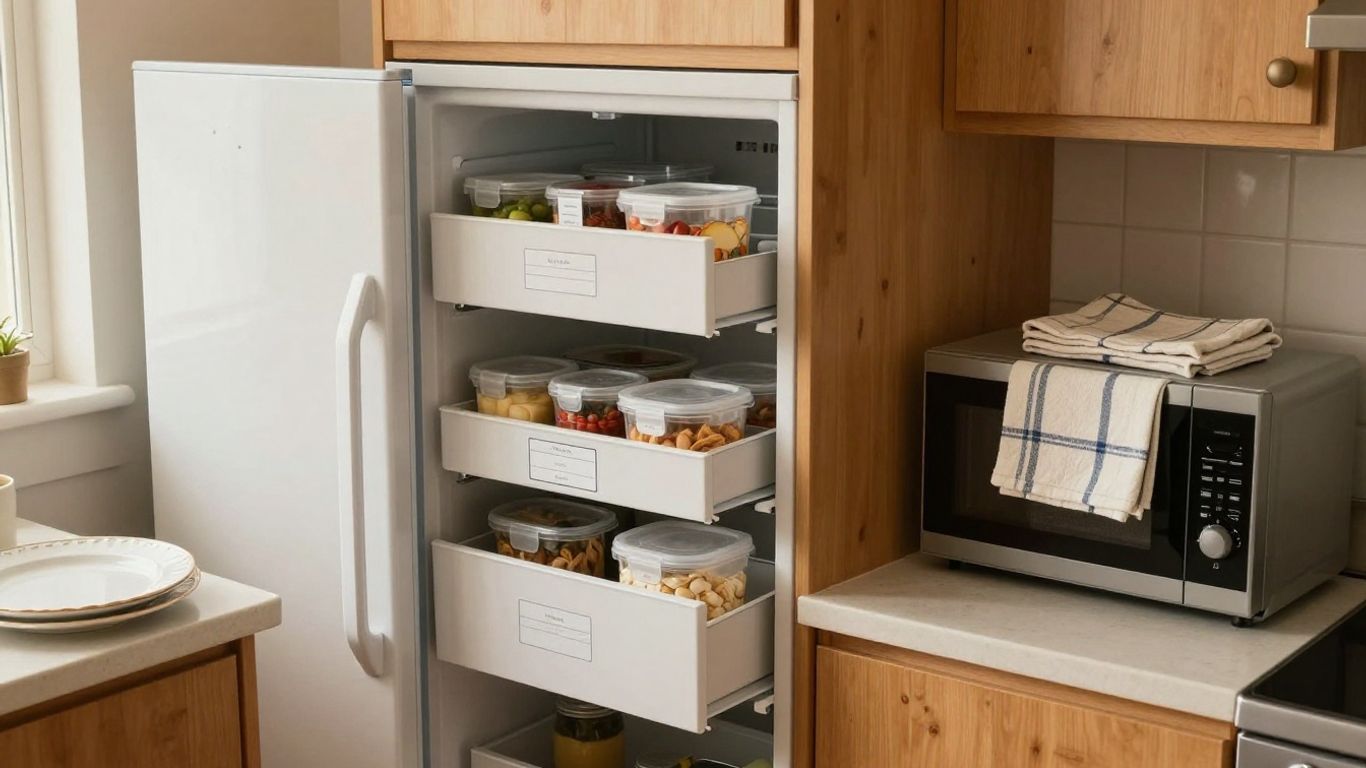
Following the packaging instructions
Use the directions on each packet, including the stated appliance, timing and standing instructions. Do not assume that two dishes with similar appearances will reheat in exactly the same way. If a parent finds the print difficult to read, a relative can write a larger, simple reminder without replacing the original guidance.
For the first few meals, someone familiar with the kitchen can stay nearby or check in afterwards. That creates confidence and gives the family a chance to adjust the arrangement if a different appliance or serving dish is needed.
Organising freezer space and meal portions
Group meals so the oldest delivery is easy to find and labels remain visible. Keep a short list on the freezer door with dish names and dates, and leave enough room for air to circulate around stored items. If space is limited, order fewer meals more often rather than filling every drawer.
Portion size should reflect who is eating and what else will be served. A smaller meal may be right for one parent, while a couple may share selected dishes. The useful measure is what gets eaten comfortably and consistently.
Making mealtimes simpler for parents living alone
For someone living alone, reduce the number of decisions required at the moment of eating. Put frequently used plates and cutlery within reach, keep the microwave instructions nearby, and mark a few meal options on a weekly calendar. Familiarity can make the routine feel less like a task.
A family member might call before dinner, not to supervise every step but to offer a friendly prompt. Over time, the parent can say which dishes they want again and which should be replaced.
When a relative or carer should handle preparation
A relative or carer should take responsibility when the parent is not comfortable using the appliance, handling hot containers or reading the instructions. The person helping should know where meals are stored and how the parent prefers them served. This is a practical arrangement, not a judgement about independence.
Agree who will check stock and who will dispose of packaging. Keeping those tasks assigned avoids duplicated shopping and means a low freezer can be noticed before it becomes an urgent problem.
Ordering safely and confidently for elderly parents
Remote ordering feels easier when the family treats it as a small shared process. One person can choose the meals, another can confirm the address, and the parent can have the final say on flavours. That balance keeps convenience from becoming impersonal.
Write down the order date, expected delivery details and any questions raised before checkout. A shared note or family message thread is often enough, provided everyone knows where to look. It is particularly useful when several relatives take turns visiting.
Reviewing ingredients and allergen information before ordering
Read each dish description and the full ingredient or allergen information available with the menu. If your parent has a specific concern, make it part of the decision before the order is placed. Do not rely on memory from a previous dish, as different meals may contain different ingredients.
Keep a record of dishes that have already been tried successfully. It can shorten future orders, while still leaving space to check the information again each time.
Sharing clear delivery instructions
Include the flat number, building entrance, access code and any useful reception information. If the property has a confusing layout, describe the easiest approach in plain language. A delivery note should help a driver find the right door without exposing unnecessary personal information.
Tell the parent when to expect the parcel and where it may be placed. If a neighbour, carer or receptionist is involved, agree that arrangement in advance rather than leaving it to chance.
Confirming who will receive the parcel
Decide whether the parent, relative, carer, neighbour or building staff member will receive the delivery. Make sure that person knows it contains frozen meals and understands where they should be stored. A quick message after arrival can close the loop for everyone.
For an older person who does not answer the door easily, delivery planning deserves particular care. Choose a day when support is available, or alter the timing to match the household’s normal routine.
Keeping customer support details accessible
Save the relevant customer support details in the same place as the order confirmation. This makes it easier to ask about an address, delivery issue or menu question without searching through several inboxes. Parents and carers should know which relative is handling communication.
Clear records are especially helpful for repeat orders. They allow the family to explain what happened, ask a precise question and decide whether the same delivery pattern still suits the household.
Why families choose Saakshi's Kitchen
Families looking for home-style Indian food often want something suited to everyday eating rather than a restaurant-style spread. The meals here are prepared in a Brighton kitchen, delivered frozen and intended to be reheated at home. That combination gives adult children a practical way to send familiar food to a Cambridge household.
The details matter because they set expectations clearly. This is food for the freezer and the weekly rotation, with dish descriptions and preparation guidance to help families make informed choices. It can fit a parent’s routine without pretending every household has the same needs.
Home-cooked Indian meals prepared in a Brighton kitchen
The cooking is rooted in Punjabi home food, with dishes such as dal, rajma, chole and kadhi made for ordinary family meals. The masala is built from onion, tomato, ginger and garlic, with spices blended in the kitchen and a tadka added at the end in the manner of home cooking. An FSA 5-star Brighton kitchen provides the stated food-safety framing.
That method is part of why the meals feel different from a generic takeaway order. The focus is a familiar pantry, a weekly rotation and recipes intended to be served at home.
Frozen meals designed for convenient reheating
Meals are delivered frozen and ready to reheat, making it possible to store several choices and use them across the week. Parents can decide what suits them on the day instead of arranging every meal around a delivery window. Relatives can also plan freezer space before the parcel arrives.
The practical benefit depends on following the packaging instructions and choosing an appliance the parent can use safely. When that is not possible, a carer or visiting family member can take over preparation.
Halal kitchen-cooked meats
The kitchen-cooked meats are halal, which may be an important consideration for families choosing dishes for their parents. Check each menu description and ingredient information as part of the normal ordering process, particularly when selecting several different meals.
This lets the person ordering respect household preferences without guessing. Vegetarian dishes can be included alongside meat choices, depending on what the family enjoys.
4.6★ from 800+ verified reviews and 16,000+ deliveries
The published figures are 4.6★ from 800+ verified reviews and 16,000+ deliveries. They offer context when a family is comparing whether this type of service feels established enough to try, but they are not a promise about an individual order.
A first order should still be judged by the parent’s preferences, the delivery experience and how easily the meals fit into the home routine. Those personal details matter more than a number on its own.
Planning a practical meal delivery routine in Cambridge
A good routine should make life calmer, not create another administration project. Start with a small order, see how the meals fit the week, then adjust the frequency and mix. Cambridge families may have different arrangements depending on distance, visiting patterns and the support available at home.
Keep the parent involved wherever possible. Their feedback is the clearest guide to which meals belong in the next order and which should remain occasional choices. The routine should serve the household, rather than the other way round.
Setting a recurring ordering schedule
Pick a reminder that fits the family’s calendar, such as the first Sunday of the month or the week before a regular visit. Check freezer space and remaining meals before ordering again. A recurring prompt is useful, but it should not become an automatic order that ignores changing preferences.
Some families may order more often in smaller quantities, while others may prefer one planned box. The right rhythm is the one that keeps meals available without creating clutter or waste.
Combining different dishes across the week
Mix dependable favourites with a small number of alternatives. For example, a parent might want dal or rajma on familiar evenings, with a vegetable curry or another regional dish for variety. Rice, roti and sides can then be matched according to personal preference.
Avoid building a box around only one type of meal. A little variety makes it easier to respond when appetite or plans change, while familiar options keep the order grounded.
Coordinating orders with family visits
A visit is a useful time to check freezer organisation, review reheating instructions and ask which dishes were enjoyed. Relatives can also make sure the next delivery date does not clash with travel or a planned meal out. These small conversations keep the service connected to real life.
If several family members visit, use one shared note for feedback. That prevents the same questions being asked repeatedly and gives the person ordering a clearer picture of what is needed.
Reviewing which meals parents want reordered
After a few weeks, ask direct questions: which dish would you eat again, which portion felt right, and what would you leave out next time? Record the answers while they are still recent. A parent’s preferences may be more specific than a simple like-or-dislike list.
Review the plan every few orders rather than assuming it will stay perfect. A flexible routine, built around familiar food and clear preparation, is usually easier to maintain from a distance.
Conclusion
For families supporting elderly parents in Cambridge, frozen Indian meals can bring a familiar part of home cooking into a manageable weekly routine. With careful choices around taste, texture, ingredients, storage and delivery, ordering from a distance can feel personal, practical and properly connected to the parent’s everyday life.
Frequently Asked Questions
Is Indian meal delivery suitable for an elderly parent living alone?
It can be suitable when the parent is comfortable with the reheating process or has support from a relative or carer. Check appliance access, portion preferences, freezer space and delivery arrangements before ordering.
How should I choose meals for my parents?
Start with dishes they already recognise and enjoy, then consider spice level, texture, serving size and preferred accompaniments. A short conversation is often more useful than choosing from appearance alone.
Can frozen meals be stored for later in the week?
Frozen meals are intended to be stored until needed, provided they are kept according to the packaging guidance. Organise the freezer so labels remain visible and older items are easy to find.
What should I check before sending food to Cambridge?
Confirm the complete address, postcode, access instructions, recipient and delivery day. Also review dish descriptions, ingredients and allergen information before placing the order.
What if my parent cannot reheat meals independently?
Arrange for a relative, carer or another trusted person to handle preparation. They should know where meals are stored, how the parent prefers them served and where the instructions are kept.
How can I avoid ordering too much food?
Begin with a modest box and monitor what is eaten over the following weeks. Adjust the number of meals to match freezer capacity, household size and the parent’s actual routine.
How often should families review the meal plan?
Review it after the first few orders and whenever the household routine changes. Ask which dishes should be repeated, which were less popular and whether the delivery schedule still works.
Order home-cooked Indian meals from Saakshi's Kitchen · UK delivery locations.