

Indian Meal Delivery for Elderly Parents in Edinburgh | Saakshi's Kitchen
Saakshi's Kitchen EditorialKey Takeaways
Arranging Indian meals for elderly parents in Edinburgh can make everyday food planning calmer, especially when family members live elsewhere.
- Choose familiar Punjabi home-cooked dishes that suit your parents’ tastes.
- Check Edinburgh postcode coverage, delivery timing and freezer space before ordering.
- Read serving, ingredient, allergen and reheating information carefully.
- Agree who will receive, store and heat the meals.
- Treat the first order as a practical trial, then adjust the routine together.
Why Indian meal delivery can help elderly parents in Edinburgh
Food is often about more than filling a plate. Familiar flavours, manageable portions and a predictable routine can make mealtimes feel more comfortable for an older parent, particularly when cooking has become tiring. Indian meal delivery for elderly parents Edinburgh households can also give families a practical way to stay involved from a distance.
Creating a convenient home-cooked meal routine
A freezer stocked with ready-to-reheat meals can take away some of the daily decisions around shopping, chopping and cooking. Punjabi home cooking might mean dal tadka, rajma chawal, kadhi or a seasonal sabzi: dishes with a place in an ordinary Tuesday rather than only at celebrations. A predictable meal routine can be reassuring without making every day feel over-planned.
It helps to begin with meals your parent already enjoys. A small selection is usually easier to organise than a freezer full of unfamiliar dishes, and it leaves room to notice which textures, serving sizes and spice levels work best.
Supporting parents when adult children live elsewhere
When you cannot visit regularly, arranging food can be one small, concrete way to remain part of the household routine. Before ordering, talk through what is already in the freezer, when someone will be home and whether a neighbour, relative or carer may need to help with the delivery.
A useful starting point is this guide to sending Indian food to elderly parents, which can help families think through menus, packaging and delivery arrangements without assuming that every household works in the same way.
Choosing familiar dishes that fit personal preferences
The best choice is not necessarily the most adventurous one. Ask whether your parent prefers dal, rice, roti, vegetable dishes or meat dishes, and whether they enjoy gentle seasoning or a little more heat. “Mild” should still mean properly spiced; it does not need to mean bland.
You can also choose a mixture of dependable favourites and one dish to try. If appetite varies, single portions may be less daunting than a large shared container, while a parent who likes leftovers may prefer a different arrangement.
Comparing meal delivery with takeaway and supermarket options
Takeaway can be useful for an occasional treat, but it may not fit a weekly freezer routine. Supermarket ready meals offer convenience, while home-cooked Indian meal delivery may appeal when the priority is a particular family style of food and familiar recipes. The sensible comparison is less about declaring one option best and more about what your parent will actually enjoy and manage.
A home kitchen usually thinks in terms of a complete meal rather than a sharing platter. That can make planning simpler, especially when the person eating is cooking for one.
How Saakshi's Kitchen delivery works for Edinburgh households
Saakshi's Kitchen describes its Edinburgh service as home-cooked Indian tiffin delivered frozen and ready to heat. For a parent’s household, the practical questions matter as much as the menu: can the address be served, is there enough freezer room and will someone be available to receive the box? Check the current ordering information rather than relying on an old delivery plan.
Checking Edinburgh postcode coverage and delivery availability
Start with the recipient’s full postcode and address details. Coverage can depend on the delivery service’s current arrangements, so use the postcode checker or contact the service before building a regular routine. This is particularly helpful for Edinburgh addresses with unusual access arrangements or for households outside the city centre.
Delivery availability should be confirmed for the exact destination, not simply assumed from the fact that Edinburgh appears in a collection or guide. Keep the confirmation email somewhere both you and your parent can find it.
Understanding frozen delivery and freezer storage
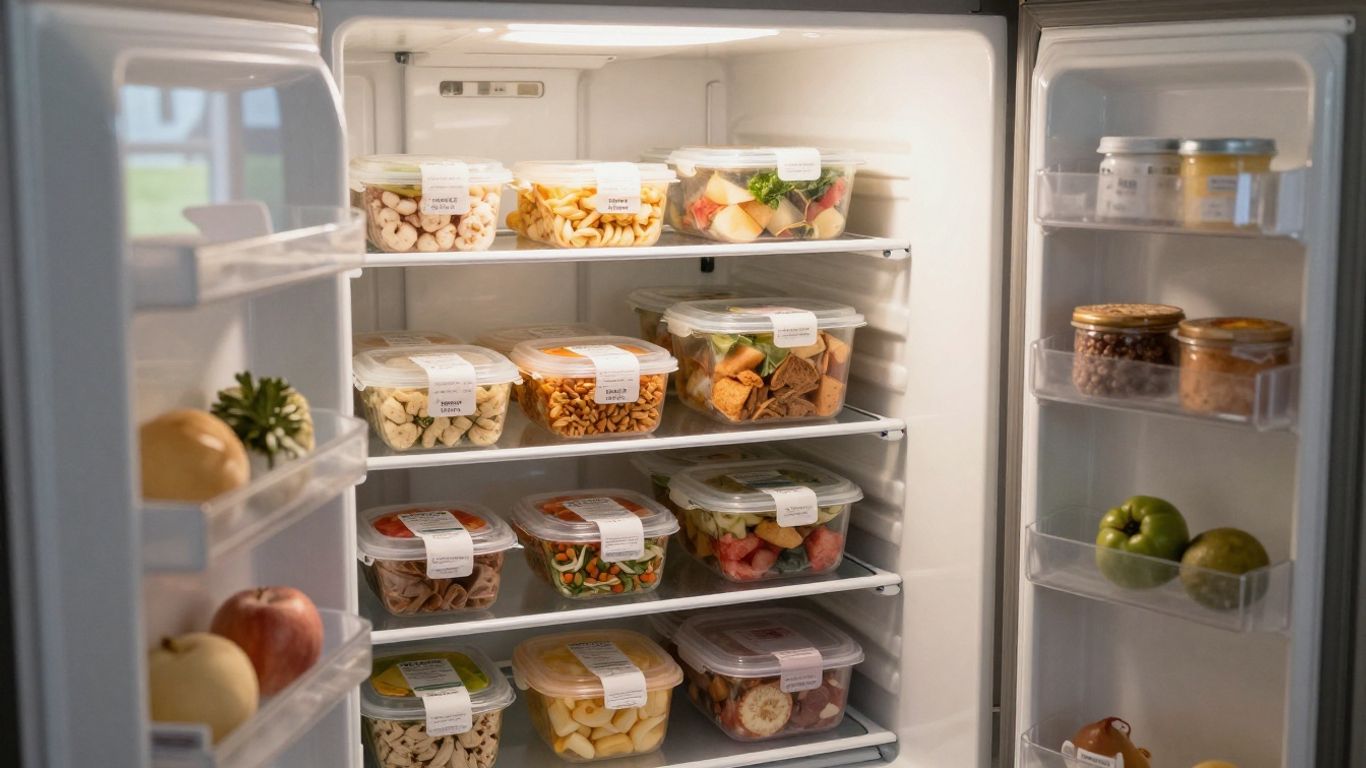
Meals arrive frozen, so make sure the parent has enough room before placing an order. It is worth checking that older items are used first and that the packaging remains easy to identify. If the freezer is small, a modest box may be more workable than ordering several weeks at once.
The meal instructions should remain with the food, or be photographed and shared with anyone helping at home. Frozen delivery is convenient when there is a clear place to store the meals and a simple plan for using them.
Planning delivery dates around visits and existing meals
A delivery can be timed for a week when a relative is visiting, but that is not essential. More useful is choosing a date when someone can bring the box inside and help organise it. Check what meals are already available so the new order adds variety rather than creating unnecessary duplication.
For households with carers or regular visitors, write the expected delivery date in the shared calendar. A short message on the day can prevent a parent from wondering when the parcel is due.
Reviewing order minimums, delivery charges and lead times
Before paying, look at the current order minimum, delivery charge and earliest available date. These details can change, and the amount that suits a family order may not suit one person. If the service offers one-off boxes or a recurring arrangement, compare them against how quickly your parent normally uses meals.
The Edinburgh delivery details are a useful place to begin, but the checkout page should be treated as the final check for the particular order. Keep a record of the total cost and delivery date if you are managing the purchase remotely.
Choosing suitable meals for elderly parents
Meal choice should begin with conversation, not assumptions. Older people have different appetites, habits and cultural memories, so ask what they would genuinely like to eat over the coming week. A familiar dish can be comforting, but only when it suits the individual person.
Selecting preferred cuisines, dishes and spice levels
Punjabi home cooking includes everyday dishes such as rajma chawal, dal tadka, chole, kadhi and baingan bharta. Ask your parent which of these sounds appealing, and whether they prefer a meal with rice, roti, dal or vegetables. It is also worth checking how much chilli they enjoy; spiced and hot are not the same thing.
If you are ordering on someone else’s behalf, read the menu aloud or send screenshots so they can choose. That small step keeps the parent involved rather than turning food into another decision made for them.
Considering portion sizes and mealtime habits
Portion size needs to match the person’s normal mealtime, not an imagined standard. Some parents prefer a complete single serving, while others divide a meal or add something from their own kitchen. Ask whether they usually eat at lunchtime, in the evening or in smaller sittings.
A simple record can help during the first few orders:
- Which dishes were finished comfortably.
- Which meals were saved for another day.
- Whether the container was easy to handle.
- Whether the texture and spice level felt right.
After a week or two, use those observations to make the next order more personal. The aim is a workable routine, not a perfect menu on the first attempt.
Checking ingredients and allergen information
Read the ingredient and allergen information for every dish selected, particularly when ordering for someone else. Do not rely on memory from a previous order, since different dishes can contain different ingredients. If anything is unclear, ask customer support before payment.
Keep the information with the meals at home. This makes it easier for a relative or carer to check a dish without having to search through an old email.
Discussing dietary requirements without making medical assumptions
A dietary preference, an allergy and advice from a clinician are different things. Discuss any restrictions with your parent and, where relevant, the person responsible for their care. Do not treat a general menu description as personal medical advice.
If a parent has been given specific food guidance, use that guidance when choosing meals and ask the service any practical questions about ingredients. Clear communication is kinder and safer than guessing what someone can eat.
Making reheating simple and manageable
Reheating works best when it is treated as part of the household routine rather than an afterthought. Keep meals where they can be reached safely, leave the supplied instructions close by and decide who will handle the preparation. A little organisation can make a frozen meal feel straightforward.
Following the instructions supplied with each meal
Use the instructions supplied with the individual meal and check the cooking method, timing and standing time. Appliances vary, so do not assume that one setting suits every kitchen. Anyone helping your parent should know where the instructions are kept.
If a parent has difficulty reading small print or using a microwave, a relative or carer can write a clear, larger reminder beside the appliance. The arrangement should be practical for that specific home.
Organising meals in the freezer for easy access
Group meals by type or day rather than stacking everything together. Put the dishes likely to be used first at the front, and keep labels visible. This is especially useful when a parent is choosing a meal independently or when several people share caring responsibilities.
A small freezer plan can be as simple as placing weekday meals on one shelf and spare portions on another. Review it when a new delivery arrives so older items do not disappear underneath newer ones.
Deciding whether parents or family members will reheat meals
Some parents will be perfectly comfortable reheating their own meals; others may prefer help with the appliance, serving or clean-up. Ask rather than assuming. The right arrangement might be a weekly visit, a neighbour checking in or a carer handling meals at a set time.
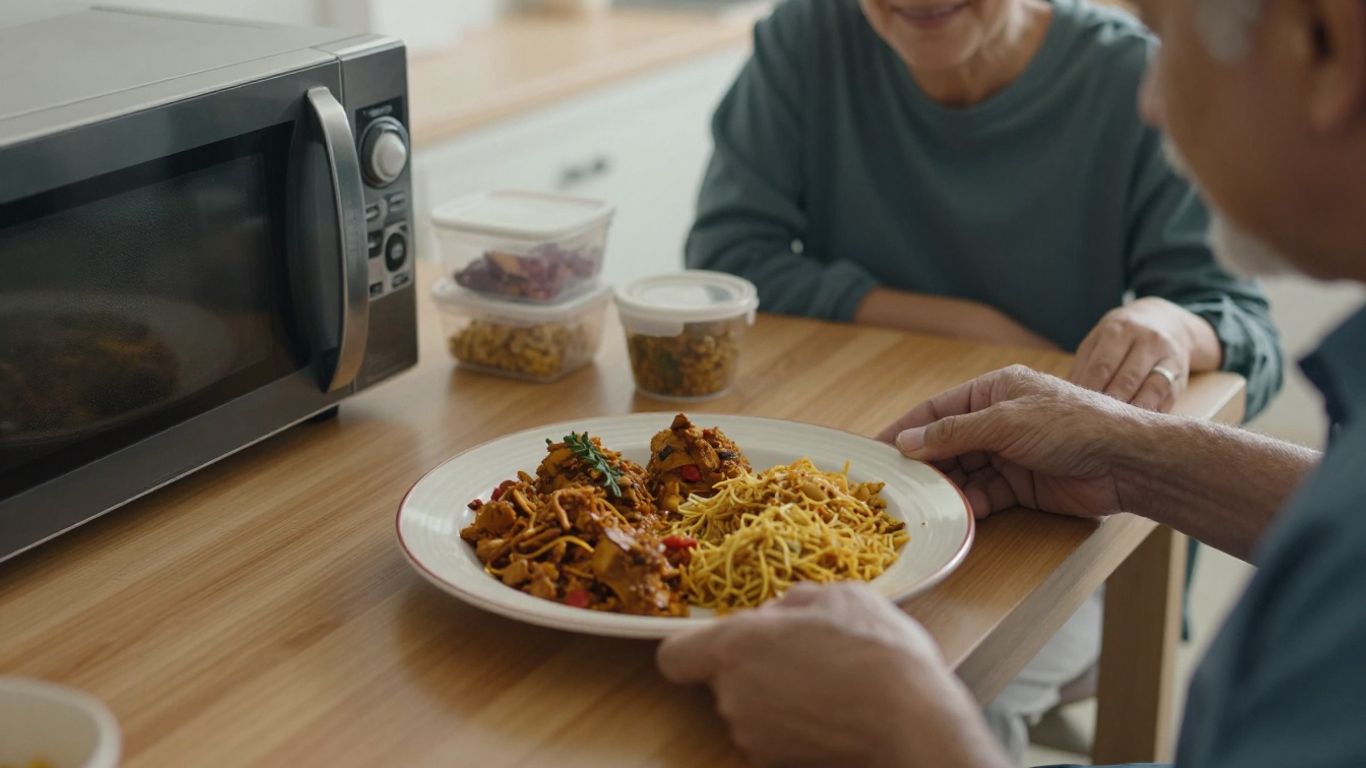
If the person has difficulty standing, lifting containers or judging appliance settings, build that into the plan. Food support should reduce daily friction, not add another task that feels awkward.
Building a straightforward weekly meal plan
A weekly plan does not need to be rigid. It can simply show which meals are available, when someone expects to visit and which dishes should be used first. Leave a little flexibility for changing appetite and invitations to eat with family.
You can also share the plan with relatives in a group message. That prevents two people ordering the same thing and gives everyone a quick view of what is in the freezer.
Ordering meals for parents when you live outside Edinburgh
Ordering from another city is mainly a coordination task. The person placing the order may know the menu and payment details, but the parent knows the building, the freezer and the daily routine. Keep both perspectives in view from the start.
Using the parent’s address and contact details accurately
Enter the parent’s full delivery address, including flat number, building name and postcode. Use a phone number that will be answered on the delivery day, and make sure the recipient knows that a food parcel is expected. A small address error can create avoidable confusion.
If you are ordering from your own account, double-check that the delivery address has not defaulted to your home. Save the order confirmation where the parent or a trusted helper can access it.
Coordinating delivery access for flats, houses and sheltered accommodation
Ask how the driver reaches the property. A house may need a simple knock at the door, while a flat may require a buzzer, concierge instruction or a call on arrival. Sheltered accommodation may have its own receiving rules, so check with the warden or building team in advance.
Give access information clearly and only where it is appropriate to do so. If the parent cannot come to the door, arrange for a named person to receive the delivery.
Sharing delivery information with parents or carers
Send the expected date, approximate timing if supplied and a contact route to the parent and anyone supporting them. Avoid assuming that an email sent to you will automatically reach the person at home.
A short written note on the fridge or a message in the family group can be useful. Include where the meals should go and who can help if the delivery arrives while the parent is resting.
Planning for missed deliveries, freezer space and changes of plan
Before ordering, agree what happens if the parent is out, the freezer is full or a visit is cancelled. It may be better to delay an order than send food to a home with no safe storage space. Keep customer support details to hand in case the delivery plan needs clarification.
The broader UK meal delivery locations guide can help families understand the service’s wider delivery footprint, but the recipient’s postcode and current checkout information remain the useful checks for an Edinburgh order.
What to check before ordering from Saakshi's Kitchen
A first order is easier when the family agrees what success looks like: meals the parent enjoys, packaging they can manage and a delivery routine that fits the household. Saakshi's Kitchen offers home-cooked Indian meals prepared in a Brighton kitchen and delivered frozen, ready to reheat. Check the details below before committing to repeat orders.
Reviewing the menu, serving sizes and available dishes
Look through the current menu slowly rather than choosing only by photograph or name. Check serving information, dish descriptions and whether the selection includes enough variety for the week. If your parent prefers familiar food, begin with a few recognisable dishes and build from there.
It can help to discuss the menu together over the phone. That turns ordering into a shared activity and gives the parent a say in what arrives.
Understanding that meals are prepared in a Brighton kitchen and delivered frozen
The meals are prepared in a Brighton kitchen and delivered frozen. That means the household needs freezer space and a plan for reheating, rather than expecting a hot delivery at mealtime.
Keep this distinction clear when speaking with a parent or carer. Frozen delivery can fit well into a planned routine, but only if the storage and timing arrangements are understood before the box arrives.
Considering halal kitchen-cooked meat options
The kitchen-cooked meats are halal. Families who choose meat dishes can still check each menu item and its ingredient information, particularly when ordering for someone with additional preferences or restrictions.
Vegetarian dishes may also make up part of the order. The best mix depends on what the parent already eats and how much variety they would like.
Looking for reassurance from the FSA 5-star kitchen rating and verified reviews
The Brighton kitchen has an FSA 5-star rating, and the service lists 4.6★ from 800+ verified reviews. These details can offer useful reassurance alongside the practical checks about ingredients, delivery and storage.
Reviews are most helpful when read for details relevant to your household, such as portion expectations, packaging and how people manage meals at home. They should inform a decision, not replace a conversation with the person receiving the food.
Checking customer support arrangements before placing a repeat order
Before setting up a repeat order, find out how to contact customer support and when queries are answered. Ask about changing a delivery date, correcting an address or raising a question about a dish. Keep order numbers and confirmation emails together so that a family member can help if needed.
After the first delivery, ask your parent what worked and what did not. A repeat order should follow their experience, not simply repeat the original choices.
Conclusion
Indian meal delivery for elderly parents Edinburgh families can arrange is most useful when it begins with listening: familiar dishes, suitable portions, clear ingredients and a delivery plan that fits real life. With freezer space, reheating responsibilities and access details agreed in advance, home-cooked Punjabi meals can become a calm, practical part of supporting a parent from near or far.
Frequently Asked Questions
Is frozen meal delivery suitable for elderly parents?
It can be suitable when the parent has enough freezer space, can safely reheat the meals or has someone to help, and is happy with the dishes selected. Always consider the person’s individual routine and capabilities.
How should I choose meals for a parent living alone?
Start with familiar dishes, ask about spice levels and consider how much the parent normally eats at one sitting. A smaller first order can make it easier to learn what they enjoy and manage comfortably.
What should I check before sending food to Edinburgh?
Check the full address, postcode coverage, delivery date, freezer capacity, recipient contact details and any building access instructions. Confirm the current cost and delivery arrangements at checkout.
Can a relative place the order from another city?
Yes, a relative can manage the order remotely, but the parent or carer should know when it is arriving and who will receive it. Shared information helps avoid missed deliveries and storage problems.
How can meals be made easier to reheat?
Keep meals organised with labels visible, store the instructions nearby and agree who will operate the appliance. If the parent finds this difficult, arrange support from a relative, neighbour or carer.
Should I check allergens for every dish?
Yes. Read the ingredient and allergen information for each selected dish, even if the parent has ordered before. Ask the service if anything is unclear, and follow any specific advice already given by a qualified professional.
How often should I place an order?
Order often enough to suit the parent’s freezer space, appetite and support routine. A one-off box can help you test preferences, while a regular order may work once the household knows which meals are used and enjoyed.
Order home-cooked Indian meals from Saakshi's Kitchen · UK delivery locations.