

Indian Meal Delivery for Elderly Parents in Brighton | Saakshi's Kitchen
Saakshi's Kitchen EditorialKey Takeaways
Arranging Indian meal delivery for elderly parents in Brighton can make familiar food easier to manage from near or far. The best routine is simple, clearly labelled and shaped around the parent’s preferences.
- Frozen meals can be kept ready for planned mealtimes.
- Familiar Punjabi dishes may feel more natural than everyday takeaway food.
- Spice level, portion size, texture and ingredients are worth checking.
- Clear delivery notes and a reliable handover can prevent avoidable problems.
- A small repeat-order routine can make family meal planning less stressful.
Why Indian meal delivery can help elderly parents in Brighton
When cooking becomes tiring, food can quietly become another household task to organise. A practical delivery routine gives an elderly parent more choice without asking them to shop, chop and cook every day. For adult children, it can also be one small, useful way to stay involved in daily life from a distance.
Supporting regular mealtimes when cooking becomes difficult
There may be evenings when standing in the kitchen feels like too much, or when deciding what to cook is harder than it used to be. Having a few frozen meals in the freezer creates an option that can fit around the parent’s ordinary routine. It does not need to replace cooking altogether; it simply gives them something dependable for the days when cooking is not appealing or practical.
A good arrangement is one that feels familiar rather than imposed. Ask which meals they already enjoy, how much they usually eat and whether they prefer rice, roti or a softer dish.
Giving adult children a practical way to send meals remotely
You do not have to live in Brighton to help organise meals there. An adult child can choose dishes, enter the parent’s address and arrange delivery while still leaving the parent in control of what they would like to eat. A quick phone call before ordering is useful, particularly if freezer space or delivery access needs checking.
For families managing arrangements from another town or country, meal planning from a distance can offer a helpful starting point for thinking through addresses, portions and reheating instructions. The process is simplest when one person takes responsibility for the order and another person is available at the door.
Choosing familiar ghar ka khana over everyday takeaway options
Restaurant Indian is celebration food. Ghar ka khana is Tuesday night: dal tadka with its finishing tempering, rajma chawal, kadhi, chole or a seasonal sabzi that belongs in an ordinary weekly rotation. These dishes can feel recognisable because they are part of the rhythm of home cooking, rather than something reserved for a special occasion.
That distinction matters when the aim is to make meals feel normal. A portioned meal of sabzi, dal, roti or rice is often easier to plan than a large sharing order, especially for someone eating alone.
Considering portion sizes, preferences and ease of reheating
Every parent has their own idea of a satisfying portion. Some may prefer smaller meals, while others want enough for lunch the following day. Texture and spice matter too, so it is worth asking whether they prefer milder dishes, softer foods or a particular regional style before building a box.
Familiar choices reduce decisions when appetite varies from day to day. Start with two or three dishes they already know, then add something new only if they are interested. The aim is a freezer that reflects their routine, not one filled with meals they feel obliged to eat.
How Saakshi's Kitchen works for Brighton households
The basic arrangement is straightforward: home-cooked Indian meals are prepared in a Brighton kitchen, delivered frozen and kept at home until needed. Families can plan around the parent’s freezer space, preferred meals and availability at the door. Before placing an order, check the delivery details carefully so the practical side is as considered as the food itself.
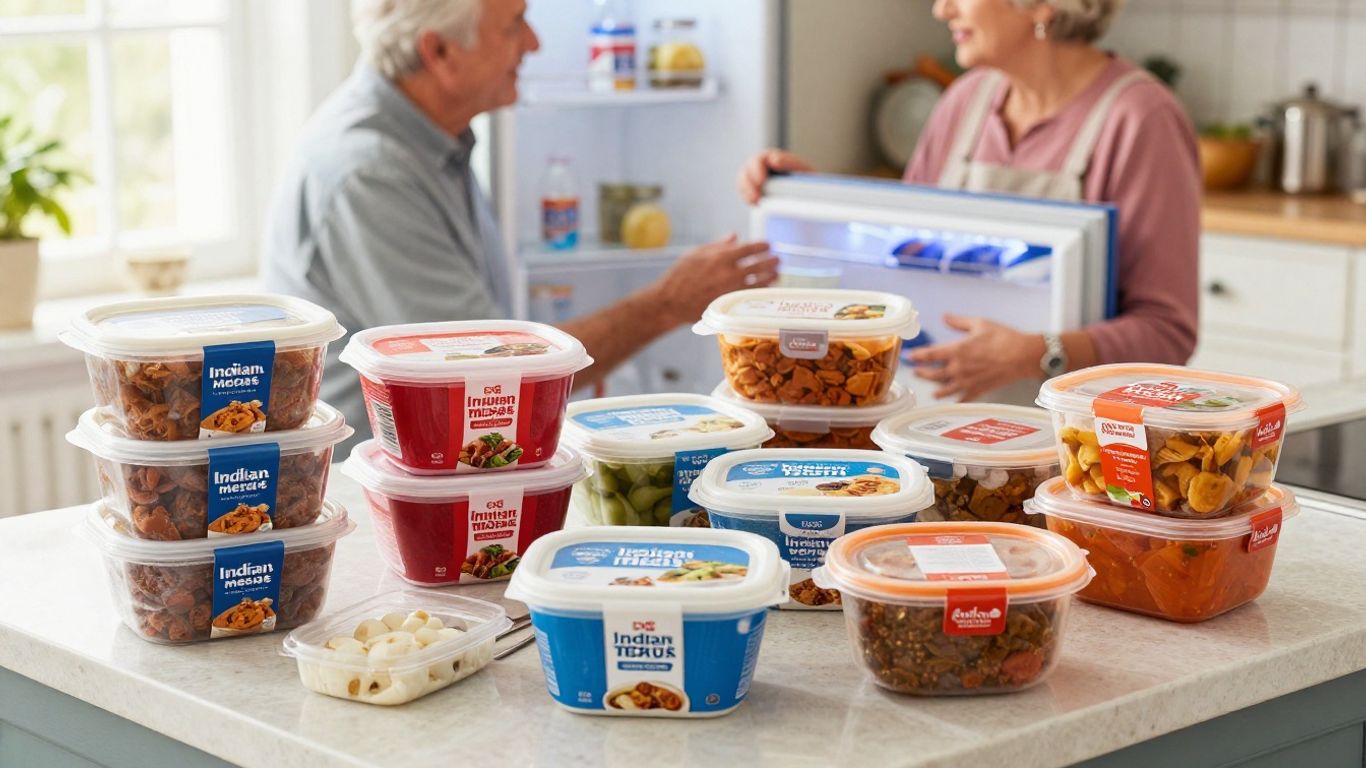
Home-cooked Indian meals prepared in a Brighton kitchen
Saakshi's Kitchen prepares home-cooked Indian meals in its Brighton kitchen, with Punjabi dishes and everyday combinations intended for home routines. The food is not presented as a restaurant sharing platter; it is made to be portioned, stored and reheated when convenient. That makes it easier to think in terms of several ordinary meals rather than one large order for a single evening.
Families may want to browse the menu together with the parent. Looking at familiar names first can make the initial order feel less daunting and gives the parent a clear say in what arrives.
Frozen delivery and what “ready to reheat” means
Frozen delivery means the meals arrive ready to be stored in the freezer until a suitable mealtime. “Ready to reheat” does not mean the meal should be left out indefinitely; it means the preparation has already been done and the parent follows the label instructions when they are ready to eat.
The parent or helper should know where the meals will go as soon as the delivery arrives. If the freezer is small, order fewer meals initially and see how comfortably they fit before setting up a larger routine.
Checking delivery availability by Brighton postcode
Postcode coverage should be checked using the delivery address rather than assumed from the town name alone. This is especially useful for households on the edge of Brighton, flats with restricted access or addresses where a parent uses a care service. Enter the complete postcode before finalising the order and keep the delivery contact details close to hand.
If someone else will receive the parcel, make sure that person knows the expected day and has enough freezer space. A small amount of preparation can prevent a delivery becoming an awkward surprise.
Understanding ordering cut-offs, delivery days and minimum orders
Delivery schedules, order cut-offs and minimum order requirements can affect how you plan a weekly supply. Check these details at the point of ordering because they may determine whether the parent receives meals before the freezer is empty. It can also help to place the order a few days before the preferred delivery window, rather than waiting until the last portion has been eaten.
Write down the chosen delivery day and the person who will be present. Once the first order has gone smoothly, the same basic pattern can be repeated with small changes to the menu.
Choosing meals for an elderly parent
Meal choice is personal, particularly when someone has cooked the same family dishes for decades. Start with memories and habits rather than trying to redesign the whole menu. Ask what they would happily eat on a normal weekday, then use that answer to guide portions, spice and variety.
Starting with familiar regional dishes and preferred spice levels
Punjabi home cooking can include dal tadka, rajma chawal, kadhi, chole and baingan bharta, each with its own texture and place in a meal. A parent may have a strong preference for one dish and little interest in another, so a mixed box is not automatically better than a carefully chosen one. Mildly spiced food may suit someone who prefers warmth without a strong chilli heat, but the parent’s own taste should lead.
It is useful to describe spice in ordinary language: mild, medium or hot, and perhaps to mention whether the parent likes a dish with gravy or something drier. That makes the first order more likely to fit the way they eat at home.
Selecting vegetarian options and kitchen-cooked halal meats
A menu can be built around vegetarian dishes, or include kitchen-cooked halal meats if those are part of the parent’s usual meals. Ask whether they prefer dal and sabzi, paneer dishes, chicken or another familiar option. Choosing two dependable favourites alongside one additional dish often gives variety without creating waste.
The key is not to assume that a broad menu suits everyone. A parent who prefers vegetarian food may want a box built entirely around those choices, while another may enjoy a combination of vegetarian dishes and halal meat.
Checking ingredients and allergen information before ordering
Read the ingredient and allergen information before selecting meals, particularly if the parent has a known sensitivity or avoids a particular ingredient. If a carer helps with food, share the information with them as well. Questions are easier to resolve before the order is placed than when a frozen parcel is already on the doorstep.
Keep a note of the dishes chosen and any ingredients the parent prefers to avoid. This record can make future ordering quicker and reduce the chance of selecting the same unsuitable meal again.
Matching portions and meal formats to appetite and routine
Portion size should reflect how the parent actually eats, not how much a family member hopes they will eat. Single portions can make planning clearer, while larger formats may suit someone who likes to divide a meal across two sittings. Consider which meals are for lunch, which are for dinner and whether another person may occasionally eat with them.
A simple meal plan can help compare the options before ordering:
| Meal preference | Useful question | Practical choice |
|---|---|---|
| Smaller appetite | Would one portion be enough? | Begin with single meals |
| Softer texture | Which dishes feel easiest to eat? | Prioritise dal, kadhi or softer sabzi |
| Milder spice | How much heat feels comfortable? | Choose milder dishes first |
| Familiar routine | What would they request at home? | Repeat trusted favourites |
After a week or two, ask which meals disappeared first and which remained in the freezer. That feedback is more useful than guessing from the menu alone.
Making delivery straightforward for parents
A delivery works best when the practical details are agreed before the parcel leaves the kitchen. Parents may have a preferred time of day, a doorbell that is difficult to hear or a neighbour who can help. Treat the handover as part of the meal plan, not as an afterthought.
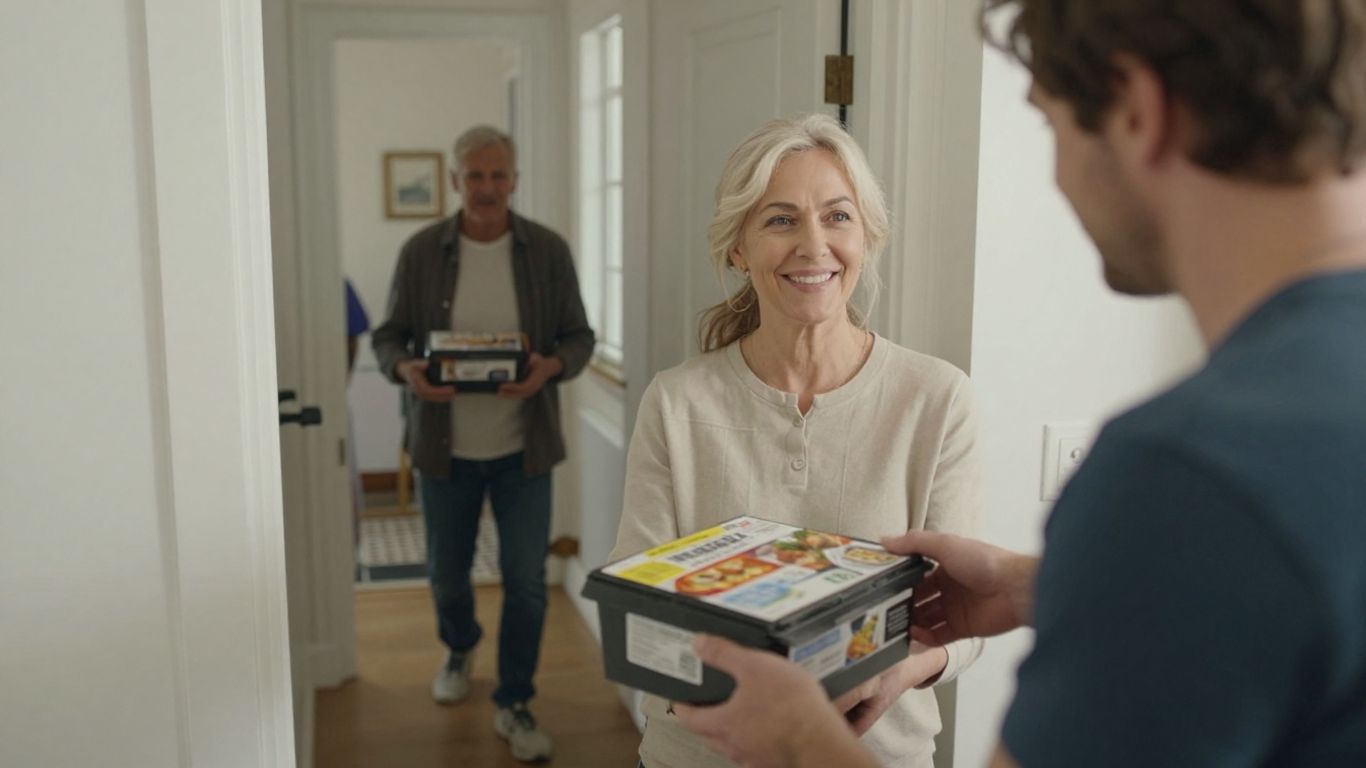
Using the parent’s address and contact details correctly
Use the parent’s full address, including the flat number, building name and any access information required by the property. Their phone number should be the main contact if they are comfortable answering delivery calls. If an adult child is coordinating everything, add their details only where the ordering process allows and ensure the parent still knows a parcel is expected.
Before paying, read the address back to the parent. This quick check can catch an old address, a missing postcode or a delivery point that is no longer suitable.
Coordinating delivery timing with their daily schedule
Some parents may be out at appointments, resting in the afternoon or already have help arranged at particular times. Choose a delivery day that fits the household rather than asking the parent to reorganise their day around a parcel. If a neighbour, relative or carer is helping, confirm their availability in advance.
A repeat delivery rhythm is easier when it follows an existing pattern, such as a fortnightly food shop or a regular family call. The routine should support the parent’s day, not make it feel more complicated.
Adding clear delivery notes for access and handover
Delivery notes should be short and specific. Include the safest entrance, a building access instruction or the name of a person who can receive the parcel where relevant. Avoid relying on a long explanation that a driver may not have time to interpret.
Useful notes usually cover:
- The correct entrance or flat number.
- A safe place to ring or wait.
- The name of the person receiving the parcel.
- Any agreed neighbour or carer handover.
After the notes are added, send the same information to the parent or helper by text. Everyone then has the same arrangement, which is particularly helpful when an adult child is coordinating from elsewhere.
Arranging help with unpacking when needed
A parent may be perfectly able to receive a parcel but still appreciate help moving meals into the freezer. Arrange this with a relative, neighbour or carer if lifting, bending or sorting a delivery is inconvenient. The helper can also check that the labels are visible and the meals are stored in a way that makes the next choice obvious.
A quick message after delivery is usually enough: ask whether the parcel arrived, whether it has been put away and which meal the parent would like to try first.
Storing and reheating frozen Indian meals
Good storage keeps the routine simple. The parent should know where the meals are kept, how to identify them and where to find the reheating instructions. If someone else is helping, agree who will check dates and organise the freezer.
Putting the delivery away safely after arrival
Once the delivery arrives, move the meals into the freezer as directed by the packaging and make sure the labels remain easy to read. Keep older meals where they can be seen first, rather than hiding them behind a newer order. If the parent has limited freezer space, remove unnecessary packaging only when the label information will still be available.
A freezer basket or one clearly marked shelf can make the arrangement easier to manage. It also helps a relative see at a glance whether another order is needed.
Following the label instructions for thawing and reheating
Use the reheating method and timing printed on the label, rather than relying on memory or a general rule. Different meal formats may need different treatment, and the centre should be hot before serving. If the parent is unsure, a relative can talk them through the steps by phone or write them in a short note beside the microwave.
The label is the most useful guide for each meal. Keeping the packaging with the food until it has been used avoids confusion about what is in the container.
Using suitable containers and checking serving temperatures
If a meal is transferred to another container, make sure it is suitable for the chosen reheating method. Stir where the instructions advise it and allow the food to stand briefly if needed. The parent should check the serving temperature carefully, especially if one part of the meal heats faster than another.
A familiar plate and a simple routine can make reheating feel less like a task. If a carer helps, agree whether they will serve the meal or leave it ready for the parent.
Planning several meals without losing track of dates
A small freezer list can show what is available without requiring the parent to search through every drawer. Record the dish, the date it arrived and whether it is intended for lunch or dinner. Cross items off as they are eaten, then use the list during the next family call.
This is particularly useful when several people order on the parent’s behalf. One shared note is less confusing than separate messages from different relatives.
Ordering from Brighton when you live elsewhere
Distance does not prevent families from creating a useful food routine, but it does make communication more important. The first order may need a little more preparation than later ones. Once the parent has tried the meals and the delivery process is familiar, future choices can be based on their actual feedback.
Setting up the first order on your parent’s behalf
Before placing the first order, speak with the parent about dishes, portion sizes, spice and delivery access. Confirm their address and ask whether they have enough freezer room. If they would rather choose the menu themselves, share the options and place the order together over the phone.
The first box should be viewed as a trial of the routine, not a permanent commitment. Choose enough variety to learn what they like without filling the freezer with food they have not requested.
Sharing simple reheating instructions with them
A short written note can be more useful than a long explanation. Write the meal name, where it is stored and the label instruction to follow. If the parent uses a microwave, keep the instructions near it; if a carer reheats meals, send them the same information.
You can also make the first reheating a shared phone call. Once the parent has done it once, the next meal may feel much more manageable.
Creating a repeat-order routine for regular meals
A repeat order can be tied to a calendar date, a regular family call or the point at which the freezer reaches a certain level. Avoid ordering automatically until you know the parent likes the arrangement and has enough space. A fortnightly rhythm may suit one household, while another may prefer a less frequent box.
Keep a short record of favourites, meals to skip and preferred quantities. That turns future ordering into a quick check rather than a quality decision every time.
Checking in after delivery and adjusting future choices
Ask how the parcel arrived, which dishes were enjoyed and whether reheating was straightforward. Listen for small practical details: perhaps the portions were too large, the parent wanted more vegetarian choices or the delivery day conflicted with an appointment. These comments should shape the next order.
Families living away from Brighton can make the arrangement feel personal by calling after the first meal and asking the ordinary question, “Khaana khaya?” It keeps the focus on care rather than logistics.
Why families choose Saakshi's Kitchen
Families often look for more than a convenient parcel when arranging food for an elderly parent. They want a clear picture of what is being delivered, how often other families return and where the meals are prepared. The figures below provide context, while the parent’s own preferences should remain the deciding factor.
Reviewing the 4.6★ rating from 800+ verified reviews
A rating of 4.6★ from 800+ verified reviews gives families a useful starting point when they are comparing meal options. Reviews cannot predict exactly what one parent will enjoy, but they can reassure an adult child that other households have taken the time to share their experience. It is still sensible to begin with a modest order and gather personal feedback.
Understanding the significance of 16,000+ deliveries
More than 16,000 deliveries indicate that the service has handled a substantial number of orders over time. For a family arranging delivery from elsewhere, that may make the ordering process feel less unfamiliar. The practical checks still matter: confirm the postcode, read the label and plan the freezer space.
Seeing why 79% of orders come from returning families
The fact that 79% of orders come from returning families suggests that many customers choose to order again after trying the meals. It is not a promise about an individual parent’s reaction, but it is relevant when considering whether a meal delivery routine might work over several weeks. The best test remains a conversation with the person eating the meals.
Considering the FSA 5-star Brighton kitchen rating
The FSA 5-star rating for the Brighton kitchen gives families a clear food-hygiene reference point. Alongside that, check the meal labels and storage instructions for each order. A parent or carer should have an uncomplicated plan for receiving, freezing and reheating the meals.
Conclusion
Indian meal delivery for elderly parents in Brighton can be a thoughtful, practical part of family care when it is built around familiar dishes, sensible portions and a clear delivery routine. Speak with the parent first, check the details carefully and adjust the menu after hearing what they genuinely enjoyed.
Frequently Asked Questions
Can frozen Indian meals suit an elderly parent’s weekly routine?
They can suit a weekly routine when the parent has enough freezer space and is comfortable following the reheating instructions. Start with a small selection and adjust it around their appetite and schedule.
What should I ask before ordering meals for a parent?
Ask about favourite dishes, spice level, portion size, texture, ingredients to avoid and preferred delivery times. It is also useful to confirm the address, freezer space and who can receive the parcel.
Is it possible to order meals for a parent from another city?
Yes. The person ordering should use the parent’s delivery address and contact details, check postcode coverage and arrange someone to receive and store the parcel if the parent may be out.
How can I make reheating easier for someone who lives alone?
Keep the label with the meal, write down where it is stored and share a short reminder of the instructions. A phone call during the first reheating can also help establish confidence with the routine.
How many meals should I order initially?
Begin with an amount that fits comfortably in the freezer and gives the parent a few choices. A smaller first order makes it easier to learn which dishes, portion sizes and spice levels suit them.
What delivery details should I check carefully?
Check the full address, postcode, flat or building details, contact number, delivery day, order cut-off and any minimum order requirement. Add concise access notes where necessary.
How often should I review the meal choices?
Review them after the first delivery and again after the parent has tried several meals. Keep the favourites, replace dishes they did not enjoy and change quantities if their routine has shifted.
Order home-cooked Indian meals from Saakshi's Kitchen · UK delivery locations.