

Indian food box UK: how to choose home-cooked meals for delivery
Saakshi's Kitchen EditorialKey Takeaways
An Indian food box UK service can make familiar, home-cooked meals easier to fit around work, study and family life. The best choice depends on the menu, portion format, frozen delivery arrangements and the information provided before you order.
- Check whether you want ready-to-reheat meals or a meal kit.
- Compare regional dishes, portion sizes and meal combinations.
- Make freezer space and reheating instructions part of the decision.
- Confirm postcode coverage, delivery days and order cut-offs.
- Choose a kitchen and menu that suit your household’s tastes.
What an Indian food box in the UK includes
An Indian food box UK order can mean several different things, from individual tubs to a complete tiffin-style meal. Some boxes are designed for one person, while others bring together enough dishes for a couple or family dinner. Before comparing prices, work out what the box is actually intended to provide and how much cooking remains at home.
Tiffin meals, family portions and individual dishes
A tiffin meal usually brings several parts of a meal together, such as dal, sabzi, rice, roti or another accompaniment. Individual dishes are more flexible if you already cook rice or want to build meals across several days. Family portions can be useful when everyone is eating the same dinner, but the number of servings should be checked rather than guessed from the box name.
Think about how your household normally eats. One person may prefer a curry and rice at lunch, while a family may want several dishes to place in the middle of the table. Saakshi's Kitchen is one example of a home-cooked Indian meal service built around frozen dishes that can be reheated at home.
The difference between meal boxes and meal kits
A ready-to-reheat meal box arrives with the cooking already done, so your work is mainly storage and reheating. A meal kit usually contains ingredients or prepared components that still need to be cooked in your kitchen. Neither format is automatically better; the useful question is whether you want a short finishing step or a longer cooking session.
Meal kits suit people who enjoy cooking but want a planned recipe. Frozen meal boxes suit evenings when you want to put food away, follow the instructions and sit down to eat. The distinction also affects washing-up, timing and the amount of freezer or cupboard space you need.
When a frozen delivery suits your routine
Frozen delivery works well when meals need to wait for the right evening rather than being eaten immediately. You can organise several dishes around work shifts, late lectures or an unexpectedly busy school-run day. It also makes a one-off order easier to spread across the week, provided you have enough freezer room.
A box should arrive with clear storage and reheating guidance. Read that information before ordering, especially if the meals are intended to be reheated directly from frozen. The freezer is part of the plan, not an afterthought.
Choosing meals for workdays, family dinners or student life
Start with the occasions the box must cover. A professional may need quick weekday lunches, a family may prioritise familiar dinners, and a student may value small portions and simple storage in a shared kitchen. The most useful menu is the one that matches those real moments, rather than one that looks impressive but sits untouched.
For a wider look at format, cost and routine, this weekly meal choice guide can help you make a short list before browsing individual dishes. Keep the first order manageable and notice which meals are finished, repeated or left for another day.
How to compare menus and meal choices
Menus deserve more attention than photographs alone. Look for the type of cooking, the balance between dishes and the level of detail given about ingredients and serving size. A reliable comparison leaves you knowing what will arrive, how it can be used and whether it belongs in your household’s usual cooking rhythm.
Regional recipes and familiar home-cooked flavours
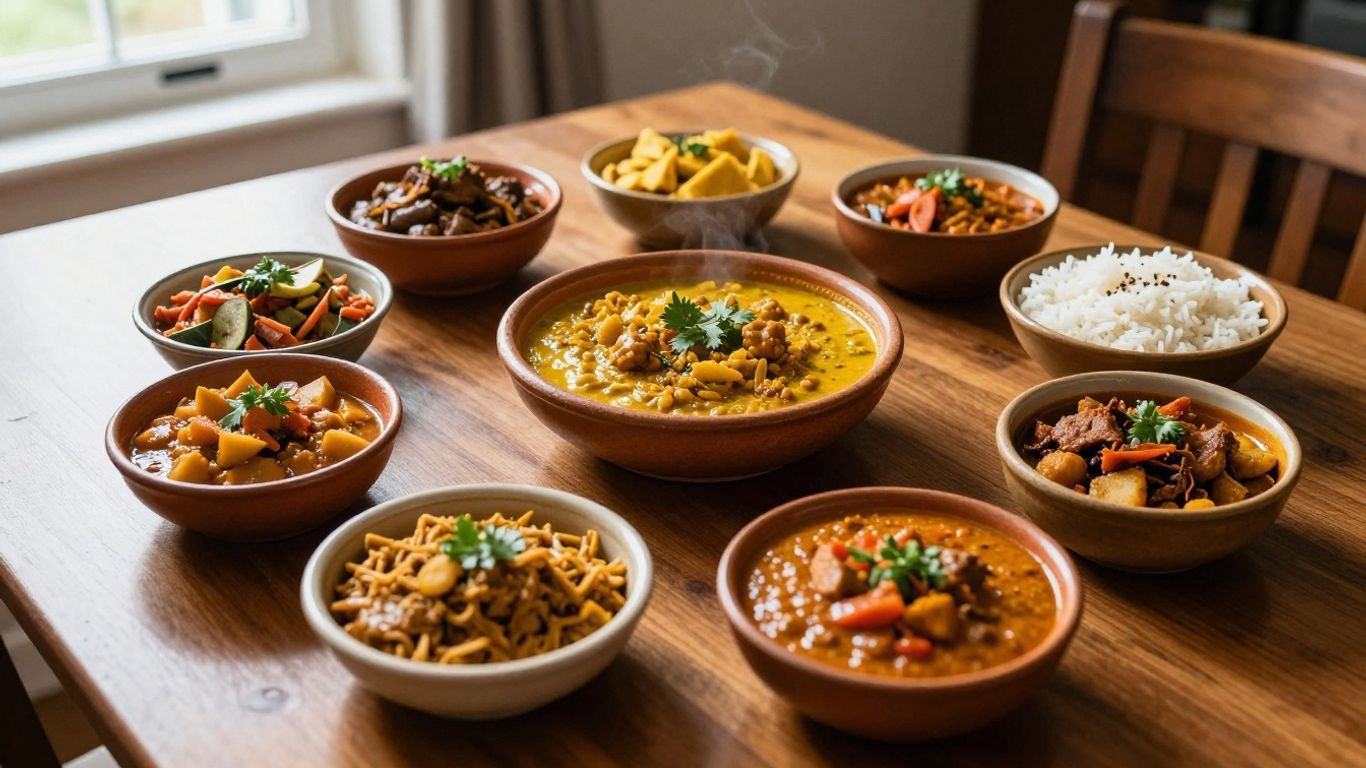
Regional cooking gives a menu its character. Punjabi home cooking might include rajma chawal, kidney beans with rice; chole, spiced chickpeas; kadhi, a yoghurt-based dish; or dal tadka finished with a tempering of spices. These are everyday dishes with a place in a weekly rotation, not simply restaurant-style specialities.
Look for menus that explain the dishes in ordinary language. If you know whether a curry is mild, warming or hot, and whether it is intended as part of a complete meal, you can order with more confidence. Familiarity matters just as much as novelty when meals are being eaten repeatedly.
Vegetarian dishes, meat dishes and mixed boxes
A mixed box can give a household choice, while a mostly vegetarian order may work better when people share dishes. Check how the menu describes meat and vegetarian items, and whether the meal format lets you choose individual dishes. It is also sensible to confirm how kitchen-cooked meats are described if halal food matters to you.
Rather than judging a box by the number of dishes, consider how those dishes combine. Dal, a vegetable dish and rice may create a satisfying meal, while several similar curries may offer less variety across the week. The right mix is personal and often becomes clearer after one trial order.
Portion sizes for individuals, couples and families
Portion labels need context. A single dish may be a component of a meal rather than dinner by itself, while a family tray may assume that rice, bread or sides are added. Read the serving guidance and compare it with the appetite and eating pattern of the people who will actually be served.
This simple table can make the comparison less vague:
| Household | Useful starting point | What to check |
|---|---|---|
| One person | Individual dishes or single meals | Whether one dish includes an accompaniment |
| Couple | Two meals or a small mixed box | Whether portions can be combined |
| Family | Several dishes or family portions | Number of servings and preferred variety |
| Shared student home | Individual, clearly labelled meals | Freezer space and easy identification |
The table is only a starting point. A couple with different appetites may need separate dishes, while a family may prefer a few shared curries with rice prepared at home.
Checking ingredients and allergen information
Ingredient and allergen information should be easy to find before payment. If someone in the household has an allergy or avoids a particular ingredient, do not rely on a dish name or photograph. Ask the provider directly when the published information does not answer your question.
Also check spice descriptions, dairy ingredients, nuts, wheat-based breads and any cross-contact wording that applies. A clear answer is more useful than making assumptions, particularly when ordering for someone else. This meal selection checklist covers practical questions around ingredients, portions and delivery.
How frozen Indian meals are delivered and reheated
Delivery is part of the meal experience, not merely a courier detail. You need to know when the box can arrive, where it should be stored and what happens if you are away. Frozen meals can be convenient, but only when the journey from doorstep to freezer is planned properly.
Understanding frozen delivery from order to arrival
Before ordering, check the delivery area, available dates and any stated order cut-off. When the box arrives, follow the provider’s guidance about checking the packaging and putting meals into the freezer. If you are sending food to a relative, make sure somebody will be available to receive and store it.
Delivery pages can be surprisingly varied, so search results should be treated as a starting point rather than proof of coverage. An unrelated result such as Greenmount Surf Club, Utah wildlife removal, Tradeify, ABA therapy costs or Spring Modulith migration clearly shows why the actual food provider’s delivery page matters.
Planning freezer space before your box arrives
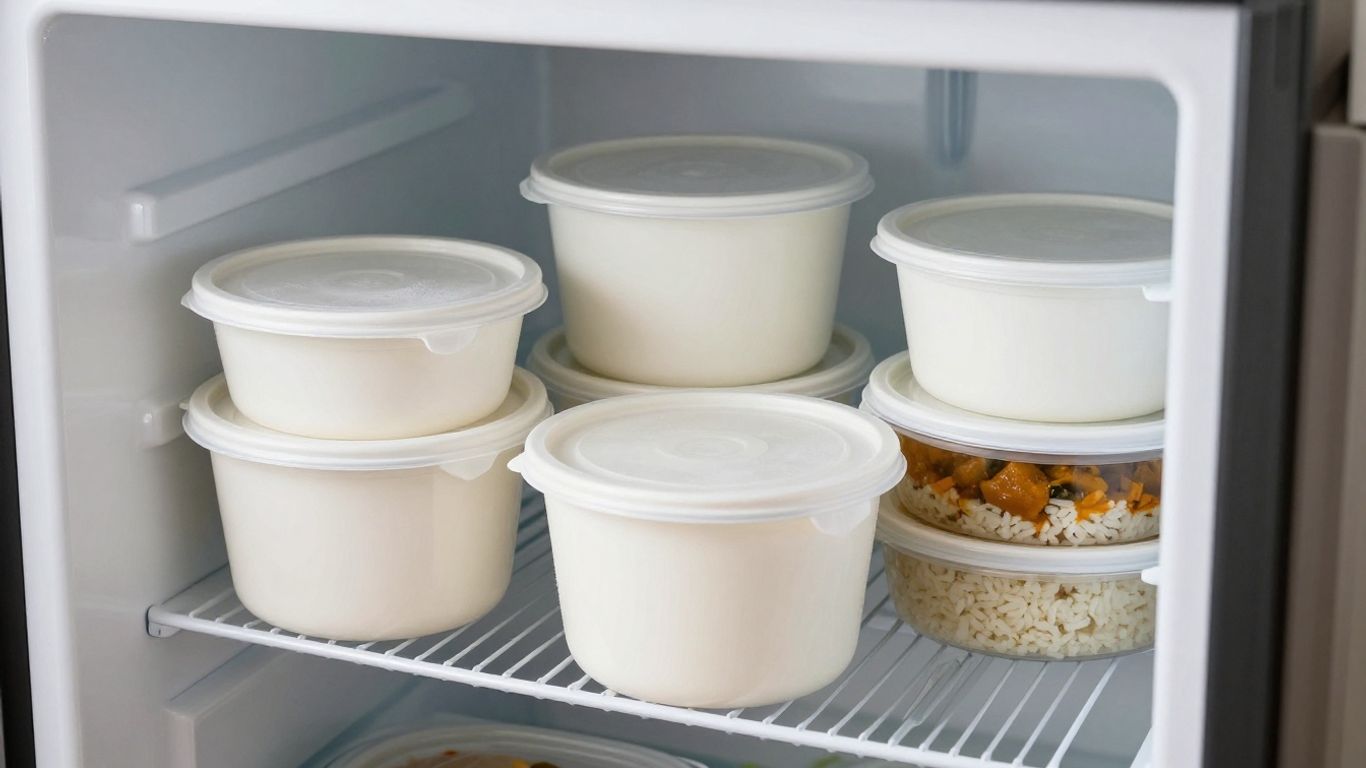
Count shelves and drawers before choosing a large box. Leave room for the packaging and avoid placing new meals where they will be forgotten behind older food. If your freezer is shared, label the area or choose smaller orders that are easier to organise.
It helps to keep a simple rotation: older meals towards the front, newer meals behind them, and a note of what needs using first. This turns a box into several planned dinners instead of a pile of containers with no clear order.
Following the product’s reheating instructions
Reheating instructions vary by dish, container and appliance. Read the label, use the stated timings as a guide and make sure the centre of the meal is properly hot before serving. If you are using a microwave with a different power level, you may need to adjust the time according to the product guidance.
Do not remove or discard packaging instructions until you have finished the meal. When cooking for an older relative or student, write down the basic steps in a place they will see them. Clear instructions remove much of the hesitation around frozen food.
Building a practical weekly meal plan
A box becomes more useful when it is attached to actual days. Put the quickest meals on late work nights, reserve dishes that need an accompaniment for evenings when you have time, and leave one flexible meal for plans that change. You can also pair a frozen main with rice, roti or a simple side prepared at home.
Avoid planning every meal too tightly. A little spare capacity means the box still works when a meeting runs late or a student returns from campus at a different time. The aim is a calmer week, not another schedule to maintain.
How to find Indian food box delivery near you
“Near you” can be misleading for a frozen service that delivers across a wider area. A local kitchen may be close by, while another provider may serve your postcode through a planned delivery route. Search by city, postcode and household need, then confirm the details on the provider’s own page.
Using city and postcode delivery pages
City pages can help you see whether a service discusses your area and which meals are available there. A postcode checker is more useful than a broad statement about UK delivery, particularly if you live outside a major town. Save the result or delivery confirmation if you are arranging food for another address.
For example, a London tiffin delivery guide may answer different practical questions from a page focused on a university city. Use the page that matches the recipient’s location, then still verify the postcode at checkout.
Checking delivery coverage before ordering
Coverage can depend on postcode, mainland or island location, and the delivery route used. Read exclusions carefully and check whether the address is residential, a workplace or university accommodation. If you are ordering for parents, confirm that the exact flat or house number is included and that someone can receive the parcel.
A provider’s location page should be current enough to support an order, but the checkout stage is the final check. If the address is rejected, contact the provider rather than assuming the box can be sent there.
Comparing delivery schedules and order cut-offs
A lower food price may not be the best value if the delivery date does not fit your week. Compare available days, cut-off times, delivery charges and whether one-off orders are possible. Regular plans can be useful, but only if the frequency suits how quickly your household uses the food.
Write the practical details beside the menu while comparing. That makes it easier to see the real difference between a weekly box, a one-off order and a larger delivery that needs more freezer space.
Finding options for UK university locations
Students should check accommodation rules before ordering frozen food. Some halls have limited freezer capacity, reception opening hours or parcel collection arrangements. A parent sending a box should confirm the student’s term-time address and whether deliveries can be accepted during holidays.
Student-focused information can also help with portion planning and shared kitchens. This student meal planning guide is a useful starting point, while a postcode or university page should settle whether delivery is available to the specific location.
How to choose meals for different households
The same food box can serve very different households, but the ordering logic changes with the people involved. Busy families often want dependable dinners, adult children may be arranging meals for parents, and students need food that fits around timetables and storage limits. Start with the household’s routine, then choose the menu.
Ordering family meals for busy weeknights
Family orders work best when the meal can be served without creating a second cooking project. Look for familiar dishes, a manageable spice level and portions that can be combined with rice, roti or a side. A rotating selection can prevent the weeknight menu from feeling repetitive.
Ask whether everyone will eat the same dishes or whether individual meals would reduce waste. It is often more practical to order a mixture of shared favourites and a few separate portions for different preferences.
Selecting convenient options for elderly relatives
When ordering for elderly relatives, familiarity and ease usually matter more than a large menu. Consider milder spicing, softer textures, portion size and whether the packaging is straightforward to open. It is also worth arranging a delivery day when somebody can put the food away and explain the reheating steps.
Keep communication simple. A short list of what is in the freezer, when to eat it and how to reheat it can make the arrangement feel reassuring rather than complicated. Family members can then adjust future orders based on what was enjoyed.
Planning student meals around term-time routines
Students may need meals that can sit in a small freezer and be prepared between lectures, shifts and placements. Individual portions are often easier in shared accommodation, especially when labels and instructions are clear. Budgeting should include delivery charges and the amount of extra rice, bread or vegetables needed.
A term-time plan should allow for breaks and changing addresses. If a student is away for several weeks, pause or delay the next order rather than sending food to an empty room. That small bit of planning prevents waste and missed deliveries.
Confirming preferences, ingredients and serving needs
Before placing an order, write down the details that could affect the choice: vegetarian meals, halal requirements for kitchen-cooked meats, disliked ingredients, spice preference and expected serving size. Confirm anything unclear with the provider. This is especially important when one person is ordering on behalf of a household.
Saakshi's Kitchen describes its food as home-cooked Indian meals prepared in a FSA 5-star kitchen and delivered frozen ready to reheat. The Indian food box delivery guide offers another useful route into checking menus, locations and the practicalities of ordering.
Why choose Saakshi’s Kitchen for an Indian food box
For readers looking for Punjabi home cooking rather than a takeaway-style occasion, Saakshi’s Kitchen is built around meals prepared in a FSA 5-star kitchen and delivered frozen ready to reheat. The food is intended for ordinary family routines: dal, rajma, chole, kadhi and seasonal sabzi alongside rice, roti or other meal components. That makes the service relevant to the Tuesday-night question: what can we eat at home without starting from the beginning?
Home-cooked Indian meals prepared in a FSA 5-star kitchen
The kitchen approach centres on masala built from scratch each batch, with onion, tomato, ginger and garlic cooked properly before the dish is finished. Spices are ground and blended in the kitchen, and dal can receive a tadka at the end, as it would in a family home. The result is food designed to be reheated and served as part of an everyday meal.
The distinction is less about making a special occasion platter and more about putting familiar food on the table. Punjabi dishes, a family recipe and a milder level of heat can feel more natural on a work night than a restaurant-style curry intended for sharing.
What the FSA 5-star kitchen rating means
An FSA 5-star rating for the FSA 5-star kitchen is a useful food-safety signal when you are comparing meal services. It does not tell you whether you will like every dish, but it gives you relevant information about the kitchen’s hygiene inspection result. Pair that detail with ingredient information, storage guidance and clear reheating instructions.
Food safety is also a household process. Store the meals as directed, keep packaging information available and follow the reheating guidance each time. These habits matter regardless of how attractive the menu looks.
Understanding the halal wording for kitchen-cooked meats
The wording to look for is that kitchen-cooked meats are halal. This is a clear statement about the meat used in those kitchen-cooked dishes, but it should not be expanded into claims about certification or every item on a menu. If you have a specific requirement, check the individual dish and its ingredients before ordering.
Vegetarian choices can be considered separately, especially for households ordering a mixed box. Asking a direct question is better than assuming that one label applies to every dish in the delivery.
Using reviews, repeat orders and delivery experience as buying signals
Reviews can help you judge flavour, packaging and delivery communication, while repeat ordering suggests that customers find the service useful over time. Saakshi's Kitchen reports 4.6★ from 800+ verified reviews, 16,000+ deliveries and 79% of orders from returning families. These figures are buying signals, not a promise that every dish will suit every person.
Your own first order is the most useful test. Note which meals were finished, whether the portions worked and how smoothly the delivery fitted your week. Then adjust the next box instead of ordering on reputation alone.
Conclusion
Choosing an Indian food box UK service is mainly about fit: the food you want to eat, the portions your household needs, the freezer space available and the delivery routine you can manage. Compare the menu and instructions carefully, then start with an order that reflects real life rather than an ideal week.
Frequently Asked Questions
What is an Indian food box UK delivery?
It is a box of Indian dishes delivered to your address, often in individual portions, family portions or tiffin-style meal combinations. Frozen boxes are stored at home and reheated according to the product instructions.
Are Indian food boxes ready to eat?
Many frozen meal boxes are ready to reheat, while meal kits require cooking with supplied ingredients or components. Always check the product description and reheating guidance before ordering.
How much freezer space does a food box need?
The amount depends on the number and size of dishes, so check the box dimensions or serving format where provided. Clear a shelf before delivery and avoid ordering more than you can store safely.
Can I order vegetarian Indian meals?
Many services offer vegetarian dishes, but the range and preparation details vary. Check the menu, ingredient list and any cross-contact information before placing an order.
How do I check whether delivery reaches my postcode?
Use the provider’s postcode checker or location page, then confirm the address during checkout. Delivery coverage may differ between mainland, island, university and residential addresses.
Are frozen Indian meals suitable for students?
They can suit students who have freezer space and want meals that fit around lectures or work. Compare individual portions, delivery charges, storage arrangements and the time needed to reheat each meal.
What should I check before ordering for someone else?
Confirm their address, delivery availability, freezer capacity, food preferences, allergens, portion needs and ability to follow the reheating instructions. Arrange delivery for a time when someone can receive and store the box.
Order home-cooked Indian meals from Saakshi's Kitchen · UK delivery locations.