

Tiffin service Leicester: how to choose home-cooked Indian meal delivery
Saakshi's Kitchen EditorialKey Takeaways
A good tiffin service should make ordinary weekday meals simpler without feeling like a standard takeaway order.
- Check that delivery covers your Leicester postcode and suits your preferred days.
- Compare portion sizes, minimum orders, storage guidance and total cost.
- Ask clear questions about allergens, spice levels and kitchen-cooked meats.
- Frozen meals can work well when the packaging and reheating instructions are clear.
- Try a small order before committing to a recurring plan.
What a tiffin service in Leicester can offer
A tiffin service in Leicester can bring the rhythm of home cooking into a busy week. Rather than treating every order as restaurant food, it may offer individual meals, family portions or a rotating selection of everyday dishes. The useful question is not simply whether the food sounds appealing, but whether the format fits how your household actually eats.
How tiffin differs from a typical takeaway
Restaurant food often arrives as a shared spread, while tiffin is usually planned around an individual meal or a practical household portion. Think dal, rajma, chole, kadhi or a seasonal sabzi alongside rice or roti, rather than a table full of dishes chosen for one evening. The Tuesday-night test is helpful: would this still suit you on a normal workday, when you want familiar food without cooking from scratch?
That difference can affect price, storage and leftovers. A takeaway is commonly bought for immediate eating; a tiffin order may be selected to cover several meals across the week.
Meal formats, portions and menu rotation
Menus vary, so look for descriptions that explain whether a listing is a single tray, a meal box or a larger family portion. Rotation matters too: a service built around home-style cooking may change its selection while keeping dependable staples in the mix. If you are comparing local choices, a Leicester tiffin menu can help you see how curries, rice, breads and combination meals might be arranged.
Before ordering, check whether rice or roti is included, how many people a portion is intended to serve and whether extras must be added separately. Those details prevent a box from looking good value until the sides are counted.
When frozen delivery can suit a busy routine
Frozen delivery is useful when you do not know exactly which evenings will become hectic. Meals can be stored according to the provider's instructions and reheated when needed, rather than relying on a narrow delivery window at dinnertime. It also makes planning easier for people who work late, commute or share cooking between several family members.
The arrangement only works if you have suitable freezer space and a clear idea of how many portions you will use. A smaller first order is often more revealing than a large promise of convenience.
One-off orders versus recurring meal plans
A one-off box lets you judge flavour, portion size, packaging and reheating before making a longer commitment. A recurring plan may be useful once you know how many meals your household gets through and which days are most demanding. Check how pauses, skips and changes are handled before signing up.
There is no prize for choosing the biggest plan. The right arrangement is the one that reduces decisions without leaving you with meals you cannot store or eat in time.
How to compare tiffin services serving Leicester
Comparing a tiffin service in Leicester is mostly an exercise in practical detail. Delivery boundaries, order minimums and food information can matter as much as the menu itself. Read the service terms alongside the dishes, because a tempting selection is less useful if it cannot reach your address on a workable day.
Checking postcode coverage and delivery days
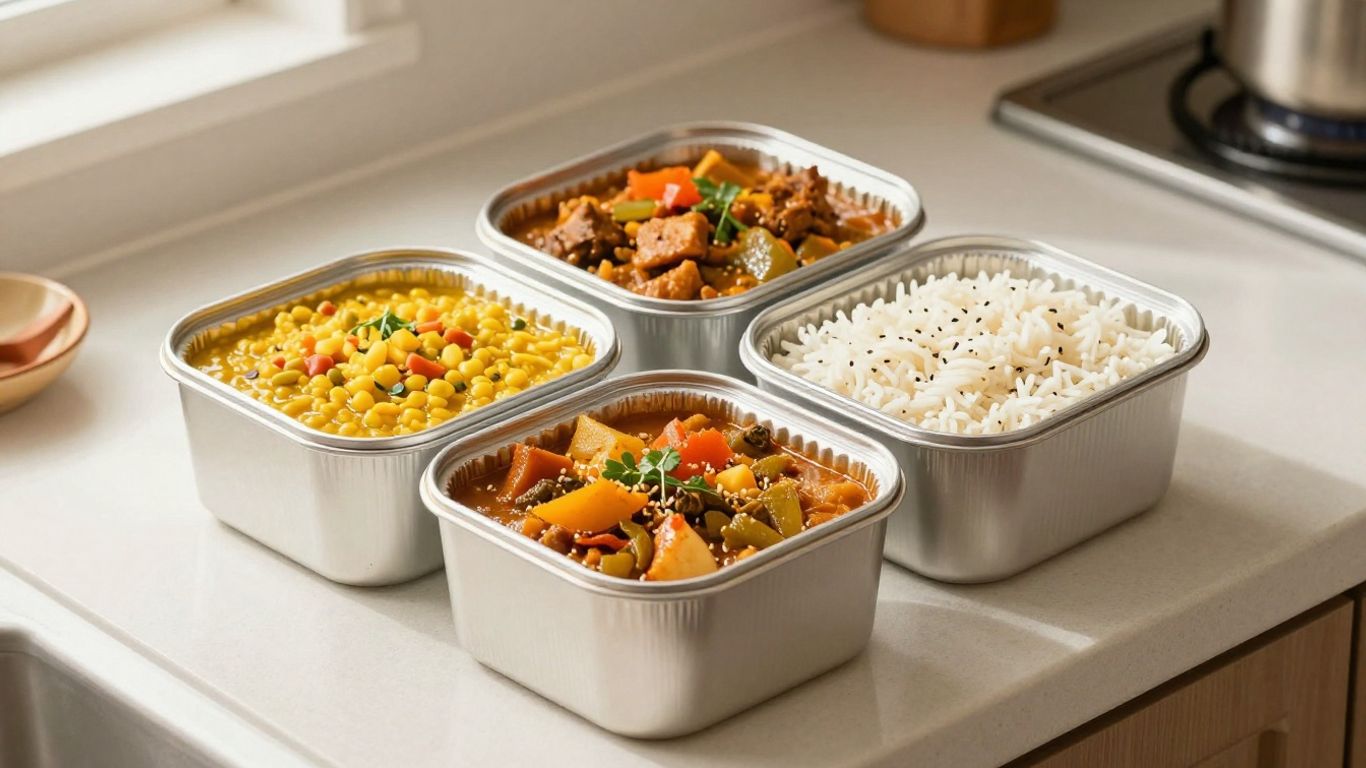
Start with the full postcode, not just the town name. Leicester addresses can fall into different delivery zones, and a provider may serve some areas on particular days only. Check whether delivery is weekly, fortnightly or arranged through selected slots, then consider where the parcel can be left if nobody is home.
A postcode checker should be one of the first things you use. It saves time and gives you a realistic picture of the service before you spend time comparing dishes.
Comparing prices, portions and minimum orders
Price needs to be read alongside quantity. Compare the number of meals, the stated serving size, delivery charges and any minimum basket value. A box with a lower headline price may not be cheaper once rice, breads or delivery are added.
| Detail | Question to ask | Why it matters |
|---|---|---|
| Portion size | Is it for one person or sharing? | Helps estimate real meal cost |
| Delivery fee | Is a threshold required? | Changes the final basket total |
| Minimum order | Must you buy several meals? | Affects first-order risk |
| Included sides | Are rice or breads separate? | Prevents surprises at checkout |
After making the comparison, write down the cost per intended meal rather than relying on the advertised price of one dish. That figure is easier to compare with your weekly budget.
Reviewing menus, ingredients and allergen information
A menu should tell you enough to make a sensible choice: dish name, main ingredients where available, allergen information and any vegetarian or meat marking. If descriptions are brief, contact the provider before ordering rather than guessing from the name of a curry.
For wider context, home-cooked Indian meal choices can prompt useful questions about portions, delivery schedules and weekday dishes. It is still worth checking the Leicester provider's own current menu, since ranges and labels change.
Assessing customer reviews and food-safety details
Reviews are most useful when they mention specific experiences such as packaging, delivery communication, portion size or reheating. Look for a pattern across many reviews rather than treating one glowing comment or one complaint as decisive. Food-safety information should be stated clearly and should identify the relevant kitchen or operating arrangements.
You may also come across comparison material that is unrelated to food, such as Traffic Parrot, individual disability cover, water treatment services, private hire DBS checks or GMP compliance resources. Those pages are not relevant evidence for choosing a Leicester meal provider, so keep your research focused on food, delivery and kitchen information.
Choosing meals for different Leicester households
The best order depends on who will eat it and when. A professional living alone may need a few flexible portions, while a family may want familiar dishes that can be reheated at different times. For older relatives and students, simplicity, communication and manageable quantities may matter more than having the widest possible menu.
Planning weekday meals for busy professionals
Choose meals that fit the gaps in your working week rather than ordering for an imaginary routine. Individual curries with rice or roti can cover a late lunch or evening, while a mixed box may reduce repeated decisions. Check freezer capacity if you plan to keep several portions at home.
It can help to reserve the meals for the nights when cooking is least realistic. That gives the service a clear job and makes it easier to judge whether it is earning its place in your routine.
Ordering family meals around school and work schedules
Family orders work best when portions and preferences are discussed before checkout. Consider whether everyone will eat the same dish, whether sides need to be added and whether the delivery can be received safely around the school run. Familiar dishes such as dal, rajma or kadhi can make a mixed order easier to share.
Keep spice preferences in view, particularly when adults and children are eating at different times. The provider should be able to explain its own labels without asking you to infer heat from a dish name.
Arranging deliveries for older relatives
When ordering for an older relative, prioritise clear delivery arrangements, easy-to-follow storage instructions and portions that will not be awkward to handle. Familiar flavours and softer textures may be welcome, but preferences vary, so ask rather than assume. It is also sensible to confirm who will receive the parcel and where it can be stored.
A small trial order can show whether the meals, packaging and instructions suit the person who will actually be eating them. Adult children can then decide whether a repeat arrangement would genuinely make the week easier.
Finding practical options for university students
For university students, count freezer space, kitchen access and the number of meals needed between shopping trips. Compact meal boxes can be more practical than a large household order, especially when several students share one freezer. Students and parents may also want to check a dedicated student meal delivery option before comparing the details of a Leicester order.
Ask about reheating equipment as well. A microwave, hob and oven may produce different results, and a student should know what is required before the parcel arrives.
Understanding frozen meal delivery and reheating
Frozen delivery can be straightforward, but the handover is part of the service. Check the parcel promptly, follow the storage directions and leave enough time for the meal format you have chosen. Do not rely on assumptions about how long food can remain outside the freezer or how quickly every dish will heat.
What to check when the order arrives
Look at the outer packaging, seals and individual containers before putting everything away. If anything is damaged, leaking or unclear, take a photograph and contact the provider promptly. Make sure the dishes you received match the order and that any allergen or storage information is available.
The first delivery is also a useful test of communication. A service that answers practical questions clearly is easier to use over time.
Following storage and reheating instructions
Use the provider's own instructions for freezer storage, defrosting and reheating. Different containers and dishes may require different timings, so avoid treating one general microwave time as suitable for everything. Heat the centre thoroughly, allow standing time where instructed and handle hot containers carefully.
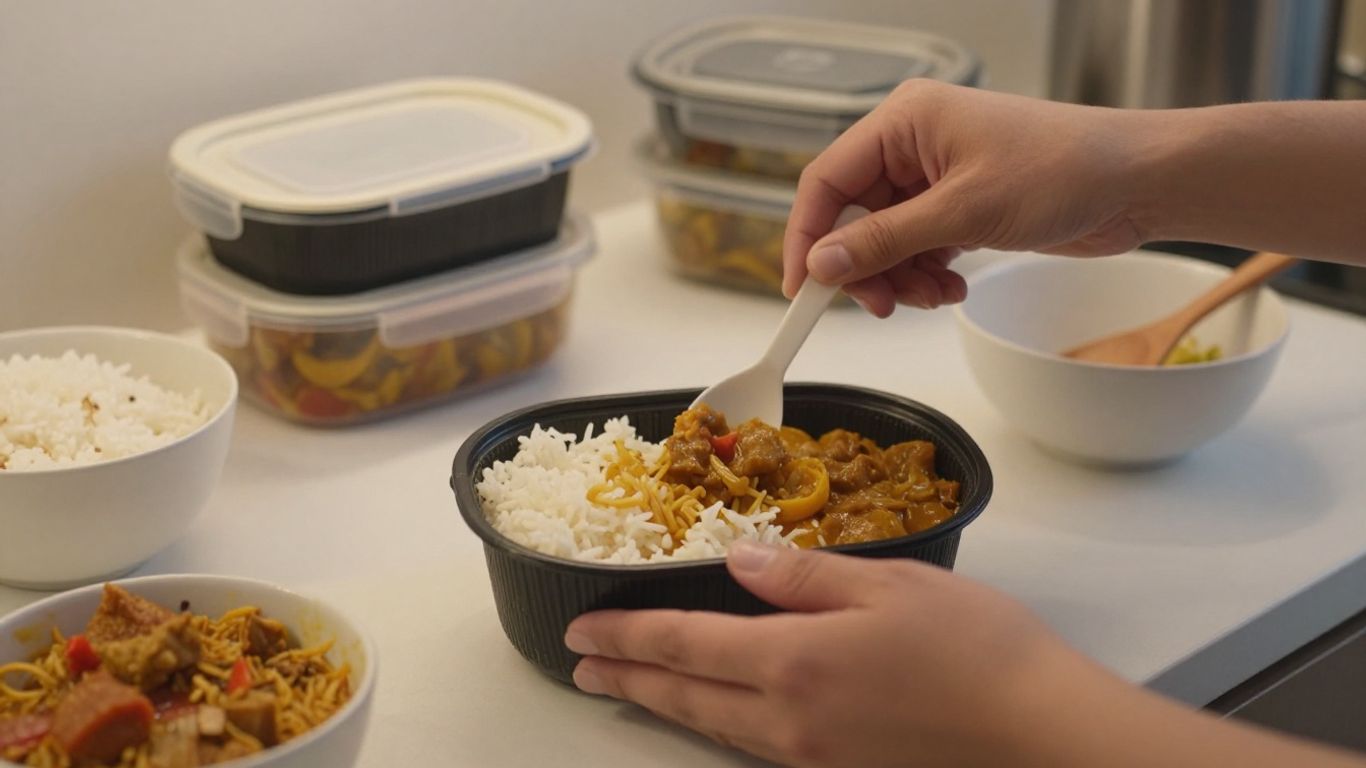
Once you have reheated a few dishes, note which formats suit your equipment best. That small record can make future ordering much less fiddly.
Planning portions around your weekly schedule
Map portions against actual days: perhaps two for late work nights, one for a weekend lunch and a spare for an unpredictable evening. This prevents the freezer becoming a museum of meals you intended to eat. It also helps you identify whether you need individual dishes or a larger box.
Try not to order several unfamiliar dishes at once. A steady mix of dependable choices and one new option gives you variety without making the whole week uncertain.
Handling missed deliveries or damaged packaging
Read the provider's delivery policy before ordering, including what happens when nobody is available or a parcel arrives compromised. Keep the packaging until the issue is resolved and contact customer support with the order details and photographs. Do not eat food if the condition of the packaging leaves its storage history unclear.
Clear, prompt reporting gives the provider the information needed to investigate. It also helps you decide whether the delivery process is reliable enough for repeat orders.
Checking ingredients, spice levels and meat options
Food preferences deserve direct questions, especially when several people share one order. Menu labels can be brief, and terms such as mild or medium do not mean exactly the same thing everywhere. Ask about ingredients, kitchen processes and the way heat is described before paying.
Asking about allergens and kitchen processes
Read the allergen information for each dish rather than assuming that two similar curries use the same ingredients. If you have a serious allergy, ask about preparation and cross-contact directly, and follow the provider's answer rather than relying on a general menu category. Ingredient lists should be treated as current information to check at the point of ordering.
Be wary of broad assumptions based on a dish's familiar name. Recipes and kitchen processes differ, so a short message to the provider is often the safest route.
Understanding how spice levels are described
Ask what mild, medium and hot mean in practical terms. Some kitchens use heat sparingly but still build flavour with ginger, garlic, jeera, dhania and garam masala; others may use a hotter chilli profile. If your household prefers spiced rather than fiery food, say so plainly.
A useful first order includes one known comfort dish and one dish that helps you understand the provider's usual heat level. That is more reliable than choosing an entire box from labels alone.
Confirming whether kitchen-cooked meats are halal
If halal meat matters to your household, ask the provider to state its position clearly and check the wording used for the specific order. Saakshi's Kitchen states that its kitchen-cooked meats are halal, which is the relevant detail to verify when considering its meals. Do not assume that a generic Indian food label answers the question for every dish or provider.
Keep meat preferences separate from spice preferences: a halal dish may still be mild, medium or hot depending on the recipe. Both points should be checked.
Matching dishes to household preferences
Build a short list of dishes that people will actually eat. A household might choose dal tadka, rajma chawal, chole or baingan bharta, then add a meat dish or rice option according to preference. Familiarity is often more useful than chasing an enormous menu.
Write down exclusions, preferred heat and portion needs before browsing. It makes the ordering process calmer and reduces the chance of selecting by photograph alone.
How to order from a tiffin provider serving Leicester
Ordering becomes simpler when you treat the first purchase as a practical trial. Confirm the address, delivery terms and storage plan before filling the basket. Then choose enough food to learn how the service fits your household, without committing more money or freezer space than necessary.
Use the postcode checker before browsing the menu
Enter your Leicester postcode first and record the delivery days or available slots. If the service does not cover your area, a detailed menu will not change the outcome. Checking early also helps you understand whether the order will arrive on a day when someone can receive it.
Start with a small first order
Choose a few portions that test the things you care about: flavour, spice, serving size, packaging and reheating. Include at least one dish your household already understands, so you have a useful point of comparison. A small order keeps the learning curve manageable.
Choose a delivery slot that fits your routine
Select a slot when somebody can receive and store the parcel promptly. Think about work, lectures, school collection and freezer access rather than choosing the earliest available time automatically. If you are ordering for someone else, agree the handover before placing the order.
Set up repeat orders only after testing the service
Repeat plans can be convenient once the first order has answered the basics. Check how to pause, change quantities and skip a delivery, then choose a frequency that reflects actual use. A recurring order should support your routine, not create pressure to eat food simply because it has arrived.
What to look for when considering Saakshi's Kitchen
Saakshi's Kitchen is one option to assess against the same practical questions: coverage, delivery format, meal range and evidence. Its published positioning is centred on Punjabi home cooking prepared in a FSA 5-star kitchen and delivered frozen, ready to reheat. The details below are a starting point for Leicester households, not a substitute for checking the current order information.
Checking whether your Leicester postcode is covered
Use the postcode checker before selecting meals, since availability can depend on the exact address. The Leicester tiffin service page is a natural place to begin when you want to check local coverage and see the current meal options. Delivery days, thresholds and terms should still be confirmed at checkout.
Understanding its FSA 5-star kitchen and frozen delivery model
Saakshi's Kitchen prepares home-cooked Indian meals in its FSA 5-star kitchen and delivers them frozen, ready to reheat. That model is different from ordering a restaurant meal for immediate arrival, so Leicester customers should plan freezer space and read the storage instructions before ordering.
Reviewing its ready-to-reheat Indian meal range
The range is built around home-cooked Indian meals that are ready to reheat, with vegetarian choices and kitchen-cooked meats stated as halal. Look at the current menu for dish-level ingredients, allergens, portions and spice descriptions, then match those details to your household rather than ordering by category alone.
Considering its 4.6★ rating from 800+ verified reviews and 16,000+ deliveries
Saakshi's Kitchen reports a 4.6★ rating from 800+ verified reviews and more than 16,000 deliveries. These figures provide context when you are assessing the service, but your own first order remains the best way to judge portion size, flavour, packaging and delivery fit.
Conclusion
Choosing a tiffin service in Leicester comes down to the everyday details: postcode coverage, portions, storage, reheating, ingredients and reliable delivery. Start small, ask direct questions and choose meals that fit the way your household really eats.
Frequently Asked Questions
What is a tiffin service?
A tiffin service provides prepared meals, often in individual portions or meal boxes, for collection or delivery. Many are designed around regular home-style eating rather than one-off restaurant occasions.
How is tiffin different from takeaway?
Tiffin is commonly planned as a practical meal or weekly supply, while takeaway is usually ordered for immediate eating. Tiffin may also arrive frozen with storage and reheating instructions.
Can I order a tiffin service in Leicester for one person?
Often, yes, although portion sizes and minimum orders vary. Check whether meals are sold individually and calculate the total cost after delivery and any required extras.
What should I ask about allergens?
Ask for current allergen information for each dish and, where relevant, ask about preparation and cross-contact. Do not rely on the dish name alone.
How do I choose a suitable spice level?
Ask the provider what its mild, medium and hot labels mean. If your household prefers gentle heat or a stronger chilli profile, say that clearly before ordering.
How should frozen tiffin meals be reheated?
Follow the provider's storage and reheating instructions for the specific container and dish. Allow standing time where advised and ensure the centre is thoroughly heated.
Should I subscribe straight away?
Usually, it is sensible to place a small one-off order first. You can then judge the flavour, portions, packaging and delivery before deciding whether a recurring plan suits you.