

Tiffin service Birmingham: how to choose home-cooked Indian meals for busy weeks
Saakshi's Kitchen EditorialKey Takeaways
A tiffin service can make weekday meals feel more settled without turning every evening into a takeaway decision. The right choice depends on delivery details, portions, storage and how closely the menu fits your household.
- Check that Birmingham delivery reaches your postcode on a useful day.
- Compare portions, meal boxes and any recurring-order terms.
- Look for frozen meals with clear storage and reheating guidance.
- Review ingredients, allergens, spicing and vegetarian choices before ordering.
- Start with an order that suits your routine, then adjust it with experience.
What a tiffin service in Birmingham offers
A tiffin service in Birmingham is usually designed around regular home-style meals rather than an occasional restaurant order. Meals arrive portioned for eating at home, which can make planning easier when work, study or family commitments take over the evening. The useful question is not simply whether the food sounds appealing, but whether the service fits the rhythm of your week.
The difference between tiffin meals and Indian takeaway
Indian takeaway is often chosen for a treat, a late night or a meal shared around the table. Tiffin tends to work differently: it is planned in advance, portioned as a meal and intended to become part of ordinary home life. Restaurant Indian is celebration food; ghar ka khana is Tuesday night. That distinction matters if you want dal, rajma, chole or kadhi to sit alongside the rest of your weekly meals rather than ordering a large sharing platter.
A meal such as rajma chawal brings kidney-bean curry with rice, while dal tadka is lentils finished with a spiced tempering. Those are familiar, practical dishes for a weekday table, with room to add a salad, yoghurt or fruit if you wish. The appeal is less about spectacle and more about having a dependable option when cooking from scratch is not realistic.
Who can benefit from a regular meal service
Busy professionals may value having a planned evening meal after a long commute. Families can use a tiffin order to cover a couple of school-night dinners, while adult children may arrange deliveries for parents who appreciate familiar flavours and manageable portions. Students, too, may prefer a meal plan that reduces the temptation to rely on last-minute food between lectures.
The best fit is personal. Some households want vegetarian dishes most of the week; others want a mixture of meat, dal and sabzi. Before ordering, think about how many people will eat each portion, whether everyone prefers the same spice level and how much freezer space is available.
How frozen, ready-to-reheat meals fit into weekly routines
Frozen delivery can be useful when you want to buy several meals at once and spread them across the week. Instead of committing to cooking on a particular evening, you can select a portion, follow its reheating instructions and serve it when the timing works. This is especially helpful for households whose schedules change from one day to the next.
Keep the practical details in view: delivery timing, freezer capacity, packaging and the instructions supplied with each meal. A service should make the routine simpler, not leave you guessing about storage or preparation. For a local starting point, this Birmingham tiffin guide offers another way to think through convenience, plans and delivery considerations.
How to choose the right Indian meal delivery service
Choosing an Indian meal delivery service in Birmingham calls for a little more than scanning dish names. Delivery coverage, portion size, menu rotation and ordering terms can make a bigger difference than a particularly tempting photograph. Read the service information carefully, then compare it with the way your household actually eats.
Checking Birmingham postcode coverage and delivery days
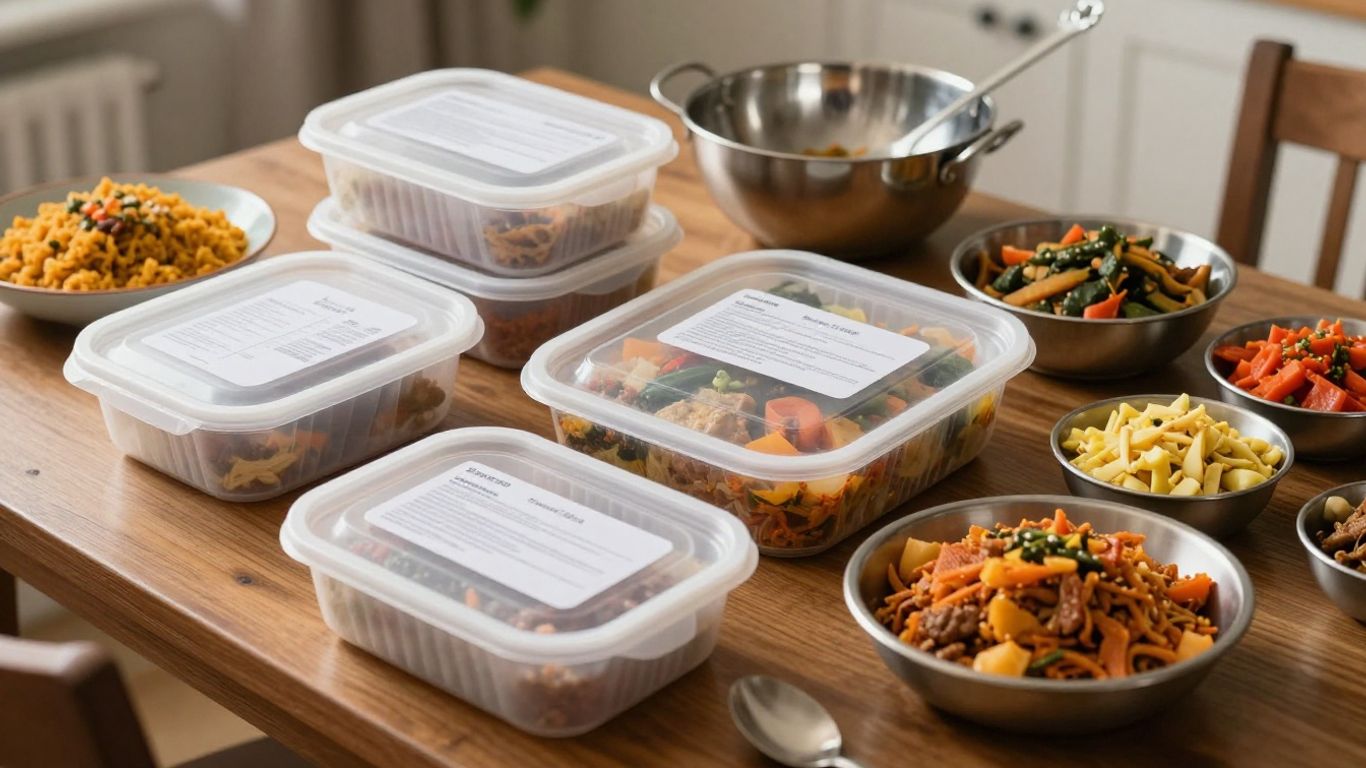
Birmingham is broad, and a service that delivers to one district may not serve another on the same timetable. Enter your postcode where possible, and check whether delivery is weekly, fortnightly or arranged through a collection point. Also look at cut-off times, delivery charges and what happens if nobody is home.
A reliable schedule is useful even if you do not order every week. If Tuesday delivery suits your work pattern but Friday does not, that small detail may determine whether the meals get used. The Birmingham meal collection page is a sensible place to check city-specific ordering information rather than relying on a general location claim.
Comparing meal plans, portions and ordering flexibility
Meal plans vary in how many portions they include and whether you can choose individual dishes. Check whether a portion is intended for one adult, whether rice or bread is included and how much variety you receive in a box. It is also worth confirming whether subscriptions can be paused or changed without an awkward commitment.
A simple comparison can keep the decision grounded:
| Detail | What to check | Why it matters |
|---|---|---|
| Portion size | One serving or a sharing amount | Helps prevent surplus or shortages |
| Meal format | Box, individual dish or weekly plan | Shows how easily it fits your routine |
| Ordering terms | One-off purchase, repeat order or subscription | Gives you control over commitment |
| Delivery | Day, postcode coverage and charge | Helps you plan freezer space |
Once these points are clear, compare the menu itself. Portion clarity matters because a low headline price can look different once you work out how many complete meals it provides.
Reviewing menus for household preferences and dietary needs
Read the menu and ingredient information before placing an order, particularly if one person avoids a particular ingredient or prefers vegetarian food. Check how spice is described, whether meat dishes are clearly labelled and whether allergens are listed alongside the meal rather than hidden in a separate page.
For family orders, variety can be more useful than a long menu. A rotation that includes dal, seasonal sabzi, rice, roti and a few meat dishes may suit a household better than a list dominated by rich special-occasion recipes. If you need clarification, ask before buying rather than assuming a label means more than it says.
What to expect from Saakshi’s Kitchen
Saakshi's Kitchen is centred on Punjabi home cooking prepared in a FSA 5-star kitchen and delivered frozen, ready to reheat. The idea is to bring ordinary family meals into a weekly routine, rather than present the service as a restaurant substitute. That makes the practical details—portioning, storage and menu information—just as relevant as the recipes.
Home-cooked Indian meals prepared in a FSA 5-star kitchen
The cooking is framed around regional Punjabi home cooking, with recipes and pantry ingredients familiar from an everyday family kitchen. Masala is built from onion, tomato, ginger and garlic, spices are blended in the kitchen, and dal can be finished with a tadka at the end. The menu is intended to feel like a complete meal, such as sabzi with dal and roti or rice, rather than a single dish chosen for a sharing table.
The approach also recognises that home cooking is usually milder than a restaurant curry. It can still be properly spiced, while allowing the heat level to suit an ordinary family dinner. Those distinctions are useful when deciding whether a tiffin service is right for your household.
Frozen delivery and straightforward reheating
Meals arrive frozen, so the order can be kept for the occasions when cooking is least convenient. Follow the packaging guidance for storage and reheating, and allow enough time for the meal to be ready before everyone sits down. It helps to keep a simple note of what is in the freezer, especially after a larger order.
The service has recorded 16,000+ deliveries and a 4.6★ rating from 800+ verified reviews, figures that provide context rather than a promise about every individual meal. You can also watch a general guide to planning home-cooked Indian meals around a busy week here:
Halal kitchen-cooked meats and menu information
Saakshi's Kitchen states that its kitchen-cooked meats are halal. When choosing dishes, still read the individual menu information and ingredient labelling, particularly if you are ordering for several people with different preferences. Vegetarian options should be checked in the same way, so the contents of the box are clear before it arrives.
If an allergen or preparation detail is not obvious, contact the service for confirmation. That small step is more dependable than inferring details from a dish name or a photograph.
Choosing meals for different Birmingham households
The same tiffin order can serve very different purposes in Birmingham. A professional might need two evening meals, a family may want several portions for school nights, and a student may be looking for something familiar between lectures. Start with the household’s timing and appetite, then choose dishes and quantities around that rather than buying the largest box available.
Weeknight options for busy professionals
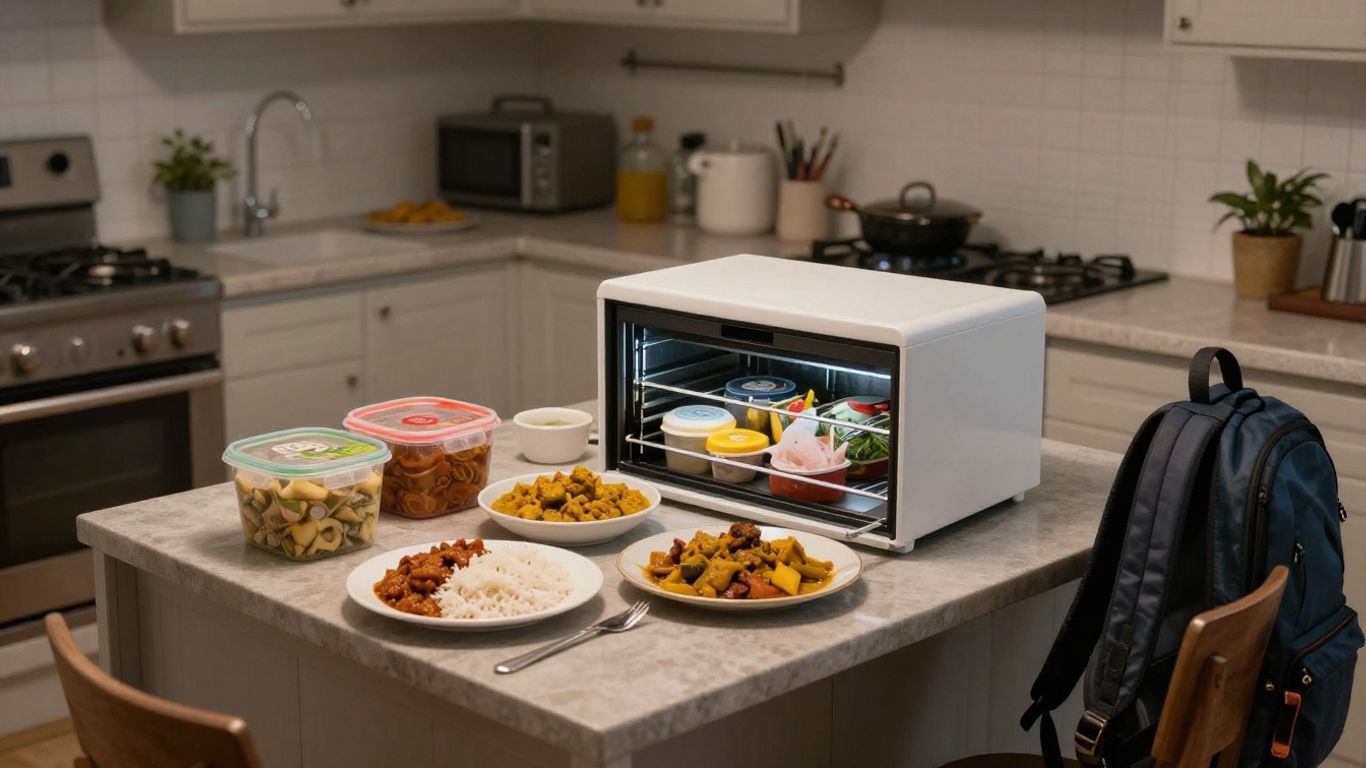
For a busy professional, the value is often in removing one decision from the end of the day. Choose meals that can be reheated without a long preparation window, and consider ordering enough for the nights when meetings or commuting usually run late. A couple of dependable dishes may be more useful than an ambitious box that sits untouched.
Dal, rajma, chole and a seasonal sabzi can provide a change from restaurant-style curry without requiring a separate cooking project. Keep one or two portions available for the busiest evenings and use the rest according to the week’s actual demands.
Convenient ordering for young families
Young families may want familiar flavours, flexible portions and food that can be served at slightly different times. Check whether the meal plan lets you mix dishes, and think about which adults will eat the spicier options. For younger children, make your own judgement about texture and heat rather than relying on broad claims about suitability.
It can help to order a modest first box and see how much the family eats. That gives you a clearer idea of portion sizes, preferred dishes and whether the delivery day works around school and work.
Arranging meals for parents and elderly relatives
When ordering for parents or elderly relatives, familiarity and ease may be more important than novelty. Ask about preferred dishes, spice levels and portion sizes before placing the order, then make sure someone can receive it and put it away promptly. Softer textures and mild spicing may be preferred, but this varies from person to person.
If you live elsewhere, arrange a quick call after the first delivery. Their comments can help you choose more confidently next time, especially if you are ordering on their behalf.
Student-friendly choices near Birmingham universities
Students near Birmingham universities often need food that fits a changing timetable and a limited kitchen setup. A smaller order can be a useful trial, particularly during the first weeks of term when storage space and cooking equipment may be uncertain. Parents arranging meals for a student should check the delivery postcode and who will be available to receive the parcel.
A Birmingham student tiffin option can help you compare the kind of flexibility students may look for, although the final decision should still be based on the current menu, price and delivery terms.
Planning a tiffin order around your schedule
A little planning prevents a frozen order becoming another source of clutter. Decide how many meals you genuinely expect to eat, check the space available and note the delivery day in your calendar. The aim is a repeatable routine, not a freezer full of meals chosen in a moment of enthusiasm.
Deciding how many meals to order each week
Begin with the meals you find hardest to organise. If Wednesday and Thursday are consistently difficult, order for those nights first rather than trying to replace every meal you cook. Singles may need fewer portions but more variety, while families may use a box quickly if several people share the same dishes.
After the first order, review what was eaten, what remained and which dishes were requested again. That practical record is more useful than guessing from an ideal week.
Storing meals safely after delivery
Put frozen meals away as soon as reasonably possible after delivery, following the provider’s storage guidance and the packaging instructions. Keep them grouped so that labels remain visible, and avoid stacking them in a way that makes older portions impossible to find.
If a parcel arrives when nobody is home, check the service’s stated procedure before ordering. Delivery instructions should be clear enough for you to decide whether the arrangement works for your household.
Organising freezer space and reheating times
Freezer organisation is a small job that pays off on a busy evening. Reserve one area for tiffin meals, keep a marker or note on the door if needed, and move the next meal forward the night before. These simple habits stop forgotten portions becoming buried behind other food.
A useful weekly sequence might look like this:
- Choose the next meal the evening before.
- Check its label and reheating instructions.
- Leave enough time for it to be ready at dinner.
- Return unopened portions to their organised freezer space.
The list is deliberately ordinary. A tiffin service works best when it quietly fits around the rest of your life, rather than demanding a new system every week.
Managing repeat orders and delivery notifications
Repeat orders can be convenient, but check the renewal date and the process for pausing or changing them. Set a reminder a few days before delivery so you can review freezer space and confirm that the number of portions still makes sense. Notifications are helpful only when they reflect your current routine.
If your work pattern changes, adjust the order rather than allowing meals to accumulate. Flexibility is part of the value, but it needs to be used deliberately.
How to compare value beyond the headline price
The cheapest-looking box is not always the lowest-cost choice once portions, delivery and unused meals are considered. A fair comparison includes what you would otherwise spend on ingredients, cooking time or an unplanned takeaway. It should also include how reliably the service fits your week.
Calculating the cost per portion
Work out the total price of the box, add any delivery charge and divide by the number of complete portions you expect to use. If rice, roti or another accompaniment is separate, include the likely cost of that too. This gives you a more useful figure than comparing box prices alone.
Also consider waste. A slightly more expensive portion that gets eaten may represent better value than a cheaper one that does not suit anyone in the household.
Considering delivery charges and minimum orders
Check whether there is a minimum spend, a threshold for delivery or a charge that changes by postcode. These details can alter the final total, especially for a one-person order. If a larger order reduces the delivery cost, only choose it if you have enough freezer room and a realistic plan to use the meals.
Write the complete price down before checkout. That makes it easier to compare different order sizes without being distracted by a headline figure.
Weighing convenience against cooking and takeaway costs
Cooking from scratch may cost less in ingredients, but it also takes planning, shopping, preparation and washing up. Takeaway may be quicker on a particular night, yet repeated orders can become an expensive habit. Tiffin sits between those choices: it asks you to plan ahead, then gives you a portion to reheat when needed.
There is no universal winner. The right option depends on how often you cook, how much time you have and whether the meals will actually be used.
Using reviews and service history as decision signals
Reviews can reveal patterns around portioning, delivery communication and how menus are received over time. Treat them as signals rather than guarantees, and look for recent, verified feedback where available. A service history such as 16,000+ deliveries can provide useful context, but your own first order remains the clearest test.
For another broad perspective while researching, this Birmingham tiffin overview can sit alongside the provider’s current menu and delivery information. Keep the final comparison anchored to details that are current and relevant to your postcode.
Ordering tiffin service in Birmingham with confidence
A confident order is usually the result of a few quiet checks rather than a dramatic decision. Confirm the city page, read the menu, understand the delivery arrangement and choose a quantity that leaves room for learning. Once the first order arrives, your household’s feedback becomes more useful than any general description.
Finding the correct city collection or postcode page
Start from the provider’s location hub or Birmingham collection page, then enter the exact postcode if that option is available. Check the delivery day, minimum order and any collection details before selecting meals. This is particularly important if you are ordering for a student, a relative or someone at a workplace address.
Avoid relying on search snippets alone, since location pages and delivery terms can change. Use the current checkout information as the final reference.
Checking ingredients, allergens and reheating instructions
Read the dish description, ingredient list, allergen information and reheating guidance before paying. If you are unsure about a particular ingredient or meat preparation, ask the provider directly. Clear information lets each person in the household make an informed choice.
It is also worth checking how the meal is portioned and whether the accompanying rice, roti or other item is included. Small details like these shape the experience once the box reaches your kitchen.
Starting with a suitable trial order
A first order should answer practical questions: Will the delivery day work? Are the portions right? Does the menu suit the household? Choose a few different dishes rather than ordering a large quantity of one unfamiliar meal, and leave enough freezer space for the parcel before it arrives.
That trial gives you a useful baseline without tying you to a routine you have not tested. If it works, the next order can be more deliberate.
Using customer feedback to refine future orders
After eating the meals, note which dishes were finished, which portions felt right and whether the spice level suited everyone. You might find that one household member prefers dal and sabzi while another reaches first for rajma or a meat dish. Use those observations to shape the next order instead of choosing from memory.
For readers researching beyond food delivery, the surrounding web also includes unrelated pages such as Vera4Beauty, Natural Escort, AI gateway guide, building material supplier and mental health billing services; they are not relevant to choosing a Birmingham tiffin order, so keep your final checks focused on the meal provider’s own information.
Conclusion
Choosing a tiffin service in Birmingham is mostly about matching home-cooked Indian meals to the practical shape of your week. Compare coverage, portions, storage guidance and menu information, then begin with an order that is easy to manage. A thoughtful first delivery can show whether the service genuinely belongs in your household routine.
Frequently Asked Questions
What is a tiffin service in Birmingham?
It is a meal-delivery service that provides prepared dishes for reheating at home, often through one-off boxes or recurring plans. Delivery coverage and menus vary, so check the details for your postcode.
Are tiffin meals the same as Indian takeaway?
Not usually. Tiffin meals are generally planned and portioned for regular home eating, while takeaway is more often ordered for an occasional meal or shared occasion.
Should I choose a one-off order or a subscription?
A one-off order is useful for testing portions, flavours and delivery arrangements. A subscription may suit you once you know how many meals your household uses and how much flexibility the terms provide.
How many meals should I order initially?
Start with the number of meals you are confident you will eat during the first week or two. Consider household size, freezer capacity and how often you normally cook before increasing the quantity.
What should I check before ordering?
Review postcode coverage, delivery days, total price, portion sizes, ingredients, allergen information, storage instructions and reheating guidance. These details are often more important than the dish photographs.
Can tiffin meals suit students and families?
They can, provided the delivery arrangement, portion sizes and menu preferences fit the household. Students may need smaller orders and reliable receipt of the parcel, while families may prioritise variety and flexible portions.
How can I compare the real value of a meal service?
Calculate the total cost per portion, including delivery and any accompaniments. Then consider how often the meals will be eaten and compare that with the time, ingredients and convenience involved in cooking or ordering takeaway.