

How to find an Indian mess near me for dependable home-cooked meals in the UK
Saakshi's Kitchen EditorialKey Takeaways
Finding an Indian mess near me is less about locating the nearest curry house and more about finding meals that work for ordinary UK routines.
- Check whether the service is a mess, tiffin delivery or takeaway.
- Confirm the delivery area, storage method and reheating instructions.
- Compare portions, spice levels and the cost of a complete meal.
- Look for menus that suit your household and weekly schedule.
- Use city and student pages to narrow down realistic options.
Understand what an Indian mess near me usually means
The phrase “Indian mess near me” can mean different things depending on where you search. Some people mean a regular tiffin service, while others are looking for a takeaway that happens to deliver nearby. The useful distinction is whether you want one-off restaurant food or familiar meals arranged for the week.
The difference between a mess, tiffin service and takeaway
A mess traditionally suggests regular, practical meals rather than an occasional restaurant order. A tiffin service usually follows the same idea, with individual portions or meal boxes delivered on a set schedule. A takeaway is more often chosen dish by dish, for one particular meal.
For a helpful overview of this style of service, see these home-cooked Indian meals and how they can fit around students and busy households. The wording varies, but the question is simple: are you buying a single treat, or arranging food you can rely on through the week?
How home-cooked meal delivery typically works
Most services show a menu, let you choose dishes or a box, and then deliver according to a stated timetable. Some accept one-off orders; others are designed around repeat deliveries. Read the practical details before judging the menu, especially the delivery day, minimum order and instructions for storing the food.
Meals may arrive frozen and ready to reheat, which changes how you plan the order. Instead of needing to eat everything that evening, you can put portions away and use them on different days. That can be particularly useful when work, lectures or family plans change at short notice.
Regional dishes and rotating menus
A rotating menu is often a better sign of everyday cooking than a huge restaurant-style list. Look for dishes with a clear regional character, such as rajma chawal, kidney beans with rice; chole, spiced chickpeas; kadhi, a yoghurt-based dish with a tangy flavour; or dal tadka, lentils finished with a tempering of spices.
Punjabi home cooking often includes a weekly rhythm of dals, beans, seasonal sabzi and rice or roti. Menus may change, so save the dish descriptions or photograph the menu if you find a combination that works particularly well for you. This makes repeat ordering less of a guessing game.
Choosing meals for one person, couples or families
A single diner may prefer individual portions that can be mixed across several days. Couples often get better value from combining a few mains with rice, roti or a vegetable dish, while families may need familiar flavours and enough variety for different preferences.
Think about the meal as a whole rather than counting tubs. A complete weekday meal might include a main dish, dal and rice, or sabzi with roti. That is a different purchase from several sharing curries ordered for one evening.
Search effectively in your area
A good search starts broad, then becomes local. Type the exact phrase “indian mess near me” alongside your town, postcode or university, and check whether the result is actually available to your address. Search pages can be untidy, so the first result is not automatically the most suitable one.
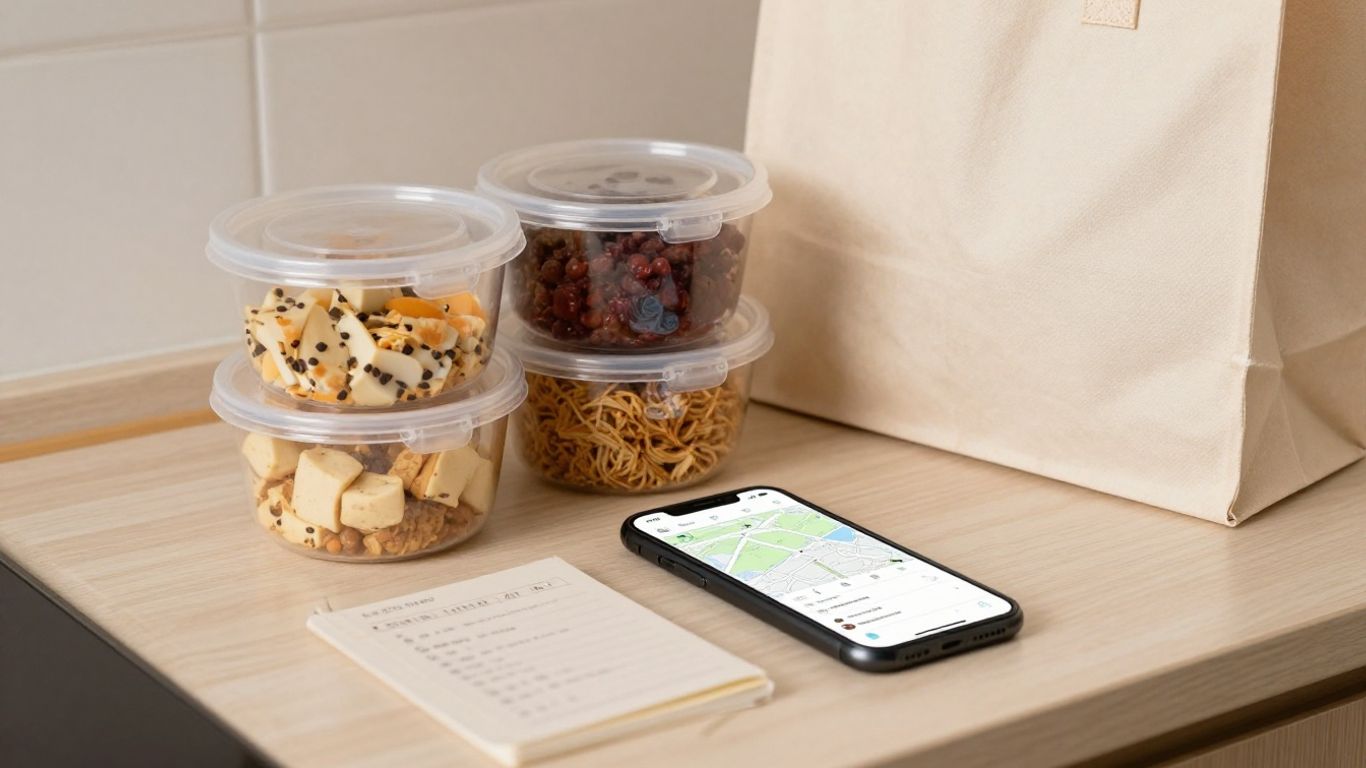
Combine “Indian mess near me” with your town or postcode
Add the place name people use locally, as well as the postcode district. Try variations such as “Indian tiffin delivery Brighton”, “home-cooked Indian meals near Manchester” or “Indian mess delivery [your postcode]”. A town search can reveal a city collection, while a postcode search may give the more useful delivery check.
You can also look for a UK delivery locations guide when you want to understand how a nationwide service organises towns and cities. Keep the search practical: the page should tell you where it delivers, not merely describe a style of food.
Add university and student searches when relevant
Students should include the university name, campus or postcode in the search. “Indian mess near University of Birmingham” is more useful than a general national search if you need to know whether a box can reach your accommodation. Parents ordering from another part of the UK should make the student’s delivery postcode the final test.
The Indian tiffin delivery results you see online may include services outside the UK, so check the country, delivery timetable and currency before comparing prices. Student searches are most useful when they lead to a menu and an address check rather than a generic article.
Check delivery areas before comparing menus
There is little point comparing two menus if one cannot deliver to you. Find the delivery locations, delivery days and any postcode exclusions first. Then note whether the service sends nationwide, covers selected cities or works within a smaller local radius.
A quick search may also bring up unrelated pages, which is why the result title deserves a second look. For example, Dubai Konnect, a wildlife removal FAQ, a Queens remodel guide, a cabinet painting guide and a Sunshine Coast IT guide have nothing to do with meal delivery. Checking the page topic before clicking saves time and keeps your comparison grounded.
Distinguish meal services from restaurant listings
Restaurant listings usually lead with opening hours, collection and individual dishes. A meal service should give more detail about boxes, portions, delivery arrangements and reheating. Neither option is automatically better; they simply answer different needs.
Watch for words such as “tiffin”, “meal plan”, “weekly menu” and “order once”. These clues suggest a service built around regular meals, whereas a menu dominated by starters and sharing platters is probably aimed at an evening order.
Assess the kitchen and meal standards
Before ordering, look for information that helps you understand what will arrive at the door. A dependable page should explain preparation, packaging, storage and reheating without making you hunt through several unrelated pages. Clear information is especially valuable when you are ordering for somebody else.
The kitchen location and food hygiene details also give useful context. They do not replace reading the menu, but they show whether the service is willing to explain how its meals are handled from kitchen to home.
Look for clear preparation and storage information
The description should tell you whether meals arrive frozen, how long they can be stored and whether they need to remain in a freezer. It should also distinguish the cooking method from the serving method: a meal can be prepared in a kitchen, delivered frozen and reheated at home.
Look for ingredient lists and sensible packaging details rather than vague promises. If the instructions are difficult to find before checkout, ask the service directly before placing a larger order.
Check whether meals arrive frozen and include reheating guidance
Frozen delivery can be convenient, but only when the instructions are clear. Check whether the meal can be reheated from frozen, whether it needs to thaw first, and how you should make sure it is piping hot throughout. Follow the printed guidance supplied with the order rather than guessing.
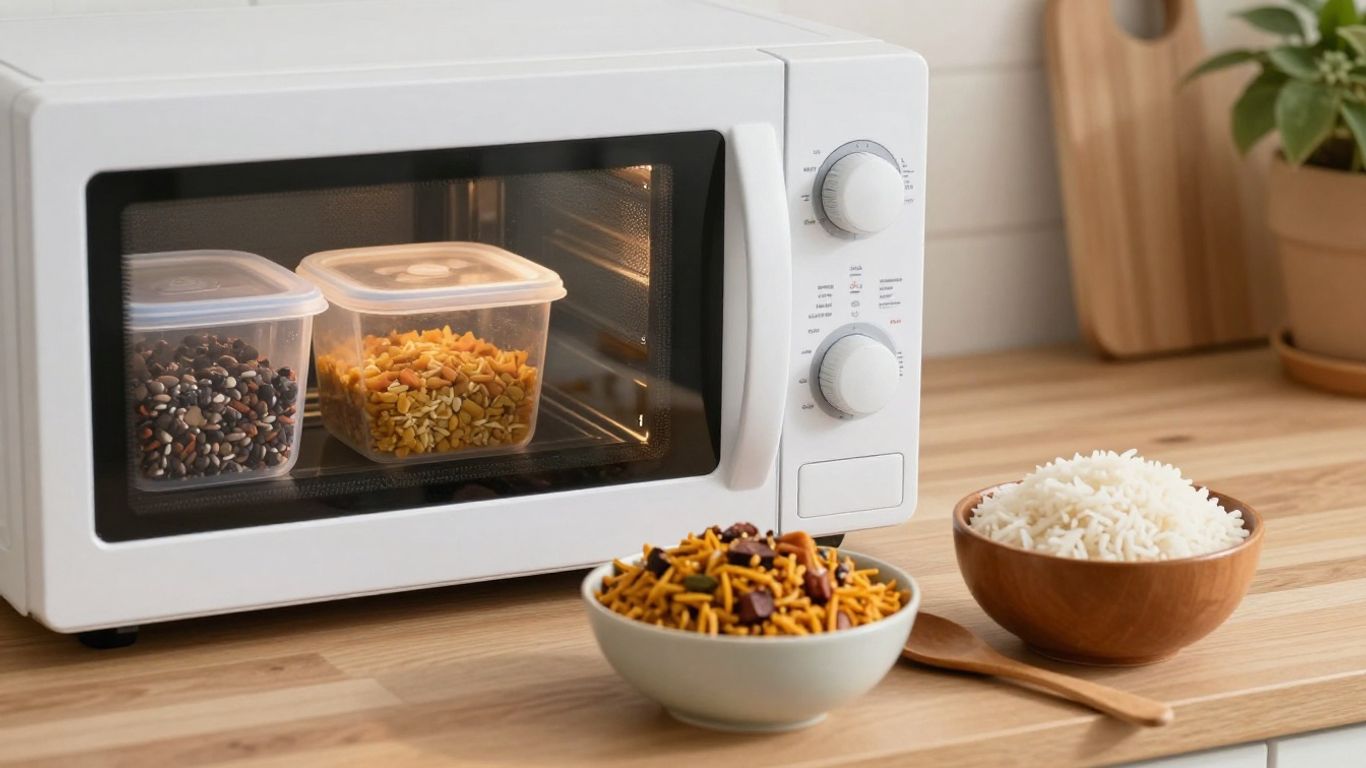
A small trial order is a sensible way to test packaging, portion size and reheating time. Once you know how much space the meals take and how they fit your evenings, a larger order becomes easier to plan.
Review food hygiene details and kitchen location
Look for the kitchen town and the hygiene information the service chooses to publish. Saakshi's Kitchen prepares home-cooked Indian meals in a FSA 5-star kitchen with an FSA 5-star rating. That is a specific piece of information to check, rather than a general claim about standards.
The wider location matters too. A FSA 5-star kitchen may serve customers across mainland UK, but your own postcode still determines whether delivery is available and when it arrives.
Confirm how meat and allergen information is described
Menus should identify meat dishes and provide allergen information in a way you can understand before ordering. If you need to avoid a particular ingredient, contact the service when the menu does not answer your question clearly. Do not rely on a dish name alone.
Where relevant, check the wording around meat carefully. Saakshi's Kitchen states that its kitchen-cooked meats are halal. That wording is specific and should not be expanded into a claim about certification or every item on a menu.
Compare menus for your household
Once delivery and kitchen details look suitable, compare menus according to how your household actually eats. A menu can sound appealing but still be awkward if portions are too large, the spice level is wrong or every dish needs to be eaten on one day. Start with your normal week rather than an imaginary special occasion.
The best comparison is often between complete meal combinations. Look at what comes with a dish, how many people it serves and whether the same box gives you enough variety for several lunches or dinners.
Evaluate portion sizes and meal combinations
Read whether a portion is intended for one person or for sharing. Then check whether rice, roti or dal are included or priced separately. A lower headline price can look less attractive once you add the pieces needed to make a proper meal.
For a simple comparison, write down the combinations you would genuinely order. A box with three different mains may be less useful than a smaller selection that includes dal, rice and a vegetable dish you know your household will eat.
| What to compare | Why it matters | Useful question |
|---|---|---|
| Portion size | Shows how many meals the order may provide | Is this one serving or a sharing dish? |
| Meal components | Reveals the real cost of eating | Are rice, roti or dal included? |
| Spice description | Helps avoid unsuitable choices | Is it mild, medium or hot? |
| Storage format | Affects weekly planning | Can it fit in the freezer? |
The table is only a starting point. Read the full dish descriptions as well, because a “portion” can mean something different from one service to another.
Check spice levels and ingredient details
Spice is about flavour as well as heat. Look for descriptions that explain whether a dish is mild, family-style or hot, and check the ingredients for nuts, dairy, mustard or other allergens that matter to you. Punjabi home cooking is often spiced for aroma and depth rather than restaurant-level heat, but the menu should still tell you what to expect.
A dish such as baingan bharta, smoky aubergine cooked with onion and spices, may suit someone who wants a vegetable-led meal. Another person may prefer dal tadka or a meat curry. Specific descriptions make those choices easier.
Look for options that suit weekly routines
A weekly menu works best when it includes dishes you can use in different ways. You might want a dal for a quick supper, rajma chawal for a fuller meal, and a sabzi to pair with rice or roti. Variety matters, but so does having two or three dependable favourites.
Saakshi's Kitchen is built around frozen home-cooked Indian meals that are reheated to serve, so think about which days you would use them. One-off orders can suit an irregular routine, while repeat ordering may help households that already know their preferred dishes.
Consider family, workday and student meal needs
A workday order should be simple to store and reheat after a long commute. Families may want milder dishes alongside a few stronger flavours, while students often need portions that work with limited freezer space and changing timetables.
Make a short list before you order:
- Two meals you already know you enjoy.
- One new dish to try without filling the whole box with unknowns.
- A rice, roti or dal option to complete the meal.
- A portion count that matches the people eating.
This keeps the first order manageable. It also gives you a useful baseline for judging the next menu rather than making a decision from photographs alone.
Work out the real value of ordering
Price is only one part of the calculation. Delivery charges, minimum orders, portion sizes and the number of meals you actually get all affect the final value. A service that costs a little more per dish may still suit you better if it reduces waste and gives you meals for several evenings.
Write down the full basket before checkout. That small habit helps you compare like with like and avoids treating a single curry price as the cost of dinner.
Compare meal prices with delivery charges and minimum orders
Check the delivery fee, minimum basket and any postcode-based conditions. Then add the items needed for a complete meal. If you are comparing a tiffin box with takeaway dishes, include rice, bread and sides on both sides of the calculation where appropriate.
Do not assume that a subscription is automatically the best choice. One-off ordering can be more suitable while you are testing portions, flavours and delivery timing.
Calculate the cost of ordering several portions
Multiply the price by the number of meals you expect to eat, then divide by the realistic number of portions. If two people will share a dish one evening, record it as two servings rather than one tub. Include anything likely to be thrown away, because unused food is part of the real cost.
A simple note on your phone is enough. Record what arrived, how many meals it made and whether you would order it again. After two or three orders, the comparison becomes much more reliable.
Check ordering cut-off times and delivery schedules
Look for the order deadline, dispatch or delivery day, and what happens if you miss the cut-off. This matters for students moving between term-time addresses and for families planning around work or school. A clearly published timetable is easier to build into a weekly routine.
If delivery is available only on certain days, choose meals with that timetable in mind. Ordering early is less stressful than discovering after checkout that the next available slot is a week away.
Plan freezer space and reheating at home
Frozen portions need a practical place to go. Measure an available drawer or shelf if you are ordering a larger box, and leave room for the packaging to sit flat where necessary. It is also worth checking whether your microwave, oven or hob suits the supplied instructions.
The aim is not to turn dinner into a project. Put the next meal where you can see it, keep the rest organised, and allow enough time for it to be heated thoroughly before serving.
See how Saakshi’s Kitchen can fit your search
Saakshi’s Kitchen may suit people searching for home-cooked Indian meals rather than a restaurant order. The food is prepared in a FSA 5-star kitchen, delivered frozen and reheated at home, so the main questions are location, menu fit and storage. Start with those practical checks rather than assuming every city page offers the same delivery pattern.
Browse city collections for available delivery locations
Use the Saakshi's Kitchen city and delivery information to check whether your postcode is covered. A city collection can be a useful starting point, but confirm the exact address and delivery details before building a larger basket.
The service centres on Punjabi home cooking and meals intended for ordinary household routines. Dishes such as dal, rajma and sabzi make more sense here than a menu designed only around sharing platters.
Use the student site for university and student searches
Students can use the Saakshi's Kitchen student-focused route when searching by university, city or postcode. It is worth checking the accommodation address, freezer capacity and term-time arrangements before ordering. Parents can do the same checks remotely, provided they have the correct delivery details.
A student order does not need to be complicated. Choose a few familiar dishes, add one new option, and make sure the delivery day works around lectures and travel.
Build a simple weekly reheating routine
Once you know which portions suit you, set aside a regular evening for planning the week. Move the next meal into the most accessible part of the freezer, keep the reheating instructions nearby and avoid ordering more than the available space can hold.
This is where the service can become part of a normal routine rather than an emergency takeaway replacement. With Saakshi's Kitchen, the useful question is whether frozen home-cooked meals fit the way you already shop, work and eat.
Review verified customer feedback and delivery experience
Customer feedback is most useful when it helps you judge repeatability: packaging, delivery communication, portion size and whether the meals arrive as described. Saakshi’s Kitchen publishes a rating of 4.6★ from 800+ verified reviews, alongside information about its FSA 5-star kitchen and delivery model.
Treat reviews as guidance, not a promise that every dish will suit everyone. Your own first order should answer the final questions about flavour, portion size and how easily the meals fit your week.
Conclusion
Finding an Indian mess near me becomes much easier when you compare the whole service rather than just the nearest search result: delivery area, meal format, storage, reheating, portions and price all matter. Take a little time to test one practical order, then choose the menu and schedule that feel natural for your household.
Frequently Asked Questions
What does “Indian mess near me” usually mean?
It usually refers to a regular Indian meal or tiffin service offering practical portions for home eating, although some searches also return restaurants and takeaways.
Is a tiffin service the same as a takeaway?
Not always. A tiffin service is generally organised around regular meals, boxes or set delivery days, while a takeaway is more commonly ordered for one immediate meal.
Are Indian mess meals delivered frozen?
Many home meal services use frozen delivery, but you should check the individual menu and follow its storage and reheating instructions.
How do I check whether delivery reaches my postcode?
Use the service’s postcode checker or delivery locations page, then confirm the delivery day, fee and any minimum order before comparing menus.
What should I compare between two meal services?
Compare portion sizes, ingredients, spice descriptions, meal components, storage instructions, delivery charges and the number of meals your order is likely to provide.
Is home-cooked Indian food usually milder than restaurant food?
It can be, especially when the menu is based on everyday family cooking, but spice levels vary. Read the dish descriptions and ask the service if the wording is unclear.
What should a student check before ordering?
A student should check the university or accommodation postcode, delivery timetable, freezer space, reheating method, minimum order and whether the portions suit their weekly routine.