

Tiffin service Leeds: a practical guide to choosing home-cooked Indian meals
Saakshi's Kitchen EditorialKey Takeaways
A good tiffin service should make weekday meals easier without turning dinner into a restaurant-style occasion. The right choice depends on the menu, delivery details, storage space and the needs of your household.
- Look for home-cooked Indian dishes that suit your usual weekly routine.
- Check portions, allergens, ordering terms and delivery coverage before paying.
- Frozen delivery can make meal planning more predictable and flexible.
- Leeds households may need different arrangements for work, study, family or care.
- Start with a manageable order, then adjust dishes and quantities around what you actually eat.
What a tiffin service in Leeds offers
A tiffin service in Leeds is usually built around practical, home-style meals rather than one-off celebration food. Instead of choosing a large sharing platter, you can plan individual dishes or meal boxes for particular days. That makes the format useful for people who want familiar food in the freezer and less decision-making during a busy week. It is worth thinking about how the meals will fit your own kitchen, timetable and appetite.
How tiffin meals differ from takeaway food
Takeaway food is often chosen in the moment, when nobody wants to cook or decide what is already in the house. Tiffin meals work differently: they are ordered with some forward planning and reheated when needed. A typical home-cooked rotation might include dal, rajma, chole, kadhi or seasonal sabzi, with rice or roti depending on the meal. The Tuesday-night test is useful here: would you want this food as part of an ordinary week, not only as a treat?
Restaurant Indian is celebration food. Ghar ka khana is Tuesday night. That distinction does not mean one is better in every situation; it simply helps you choose a service for the job you actually have. If you want a broader comparison of the model, this tiffin service guide offers another useful angle on menus, portions and weekly planning.
The role of home-cooked Indian dishes in weekly meal planning
A weekly meal plan becomes easier when the main decisions are made before the working week begins. Home-style dishes can sit alongside food you cook yourself, giving you a dependable option on evenings when the school run, a late train or a long shift changes the plan. Regional Punjabi cooking often centres on everyday combinations such as dal tadka, rajma chawal and baingan bharta, where each dish has a clear place on the plate.
The appeal is also in the method. Onion, tomato, ginger and garlic are cooked into a masala base, spices are ground and blended in the kitchen, and a tadka finishes dal in the familiar way many families recognise. A Leeds tiffin delivery page can help you move from general research to checking what is actually available for your postcode.
Who can benefit from a tiffin service
The format can suit anyone who values a planned meal but does not want every meal to come from a takeaway or a large cooking session. It may be useful for a professional working late, a parent juggling several routines, an adult child arranging food for a parent, or a student learning to manage food costs and storage. The key is not a particular age or lifestyle; it is whether a delivered frozen meal fits the household’s rhythm.
It is sensible to ask about spice levels, vegetarian choices, allergens and portion size rather than assuming that every service follows the same approach. Milder, properly spiced food may suit a family table, while another household may prefer more heat or larger portions for evening meals.
When a delivered meal service is most useful
Delivery is especially helpful during predictable pressure points: Monday evenings, exam periods, busy project weeks and stretches when family members are arriving home at different times. Frozen meals also allow you to spread serving days out rather than feeling obliged to eat everything immediately. Before ordering, make sure someone can receive the parcel and that there is enough freezer space.
A small trial order is often more revealing than a long subscription. Notice which dishes disappear first, whether the portions work and how much effort reheating involves. Those observations give you a better basis for a regular order than a broad promise on a homepage.
How to choose the right tiffin service in Leeds
Choosing a tiffin service is mostly a matter of matching practical details to your household. Menu appeal matters, but so do the delivery window, packaging, storage instructions and ease of changing an order. Read the information slowly enough to spot terms that could affect the total cost or the amount of food arriving. A service that looks attractive on paper still needs to work on an ordinary Wednesday.
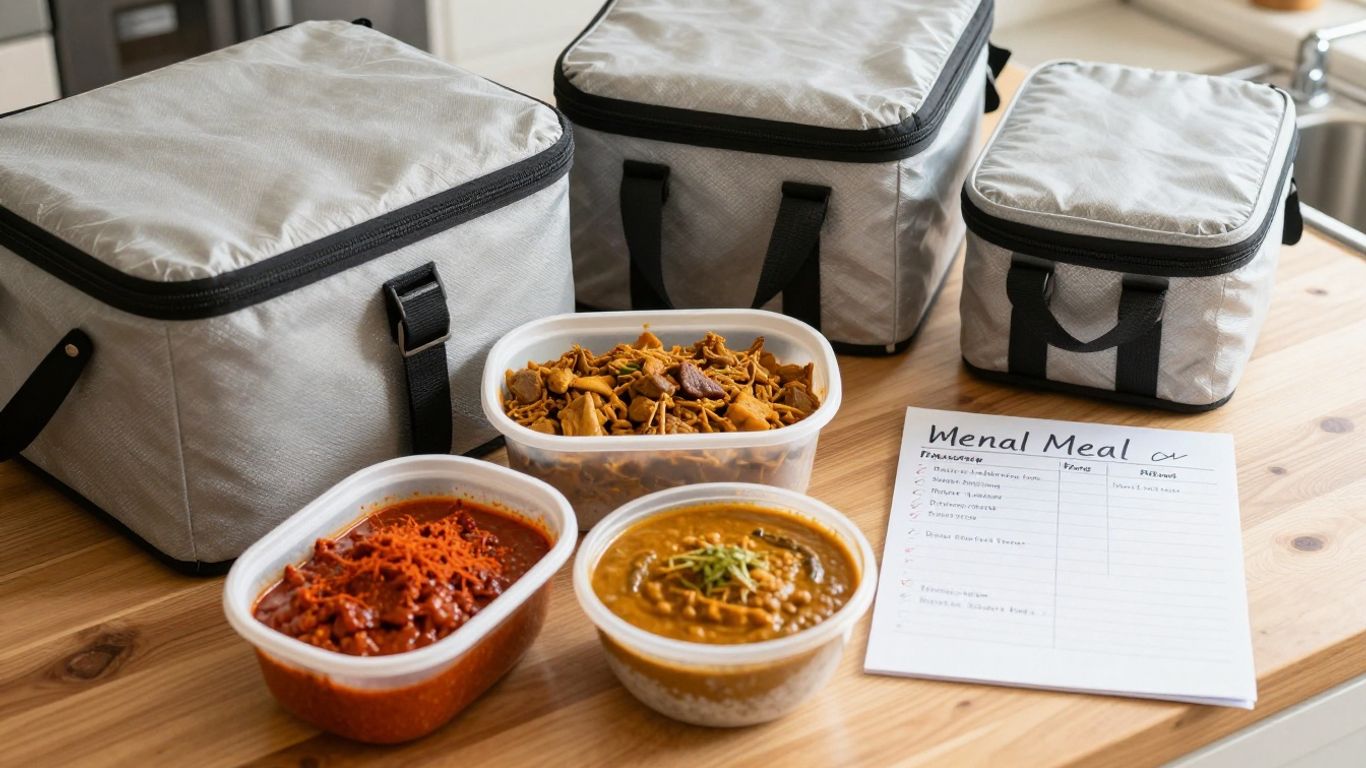
Checking menus, portion sizes and ordering options
Start with the menu rather than the photographs. Look for dishes you already know you will eat, a useful spread of vegetarian and meat options, clear allergen labelling and portions described in a way you can understand. Then check whether you can order a single box, select individual dishes or choose a recurring plan.
A menu should make it reasonably clear how a meal is assembled. For one household, a main with rice may be enough; another may want dal, sabzi and an extra portion for lunch the following day. Do not assume that a larger-looking container means a larger serving.
Understanding delivery areas and collection details
Leeds is not one uniform delivery point, so check your postcode before building a weekly plan. Confirm whether the service delivers to your area, which days are available and whether somebody must be present. If collection is offered, consider the journey home and whether the food can remain safely frozen during it.
It is also worth checking delivery charges, minimum order values and what happens if nobody answers the door. These details are mundane, but they decide whether the service feels convenient after the first order. For a wider look at the city itself, this Leeds local guide can be useful when considering work, study and household locations.
Reviewing customer feedback and service history
Customer feedback is most useful when it contains specifics: comments about portion size, packaging, delivery communication and particular dishes. Look for patterns across many reviews rather than relying on one enthusiastic sentence. A stated service history can add context, but it should not replace your own checks of menu information and terms.
When researching online services generally, it helps to distinguish documented capabilities from assumptions. That principle appears in very different settings, from Traffic Parrot to private hire DBS checks, and it is just as helpful when reading a meal-delivery page: judge what is clearly stated, not what you hope is included.
Comparing meal plans with one-off orders
One-off orders are a sensible way to learn how a service handles delivery, portions and reheating. A meal plan may suit you once you know which dishes work and how many servings your household gets through in a week. Compare the price per serving, delivery terms and cancellation or skipping arrangements, rather than looking only at a headline saving.
A simple comparison can keep the decision grounded:
| Question | One-off order | Meal plan |
|---|---|---|
| Best for | Trying dishes | Building a routine |
| Commitment | Lower | Usually more regular |
| Planning | Short term | Several meals ahead |
| Main check | Delivery experience | Flexibility and value |
The right column is not automatically the right answer. If your working pattern changes often, a one-off order may be easier; if the same busy evenings recur, regular delivery can reduce repeated decisions.
What to expect from Saakshi’s Kitchen
Saakshi’s Kitchen is a UK home-cooked Indian meal service with dishes prepared in a FSA 5-star kitchen and delivered frozen for reheating at home. The emphasis is on everyday Punjabi home cooking: food for a family table, not a restaurant-style sharing occasion. When comparing it with other options, keep those documented details separate from assumptions about delivery speed, customisation or local collection.
Home-cooked Indian meals prepared in a FSA 5-star kitchen
The meals are home-cooked Indian meals prepared in a FSA 5-star kitchen. The cooking approach centres on familiar pantry ingredients and a masala built from scratch each batch, with onion, tomato, ginger and garlic cooked properly before the dish is finished. Spices are ground and blended in the kitchen, rather than relying on one generic curry powder.
That helps explain the intended place of the food in a weekly routine. Dal, rajma, chole, kadhi and seasonal sabzi are the sorts of dishes people may recognise from home cooking, with spicing intended to be milder than a restaurant curry while still properly seasoned.
Frozen delivery and reheating at home
Meals are delivered frozen and ready to reheat. This means you need freezer room and should read the supplied instructions before ordering several portions. It also gives a household more control over when a dish is served, which can be handy when work, school or university timetables move around.
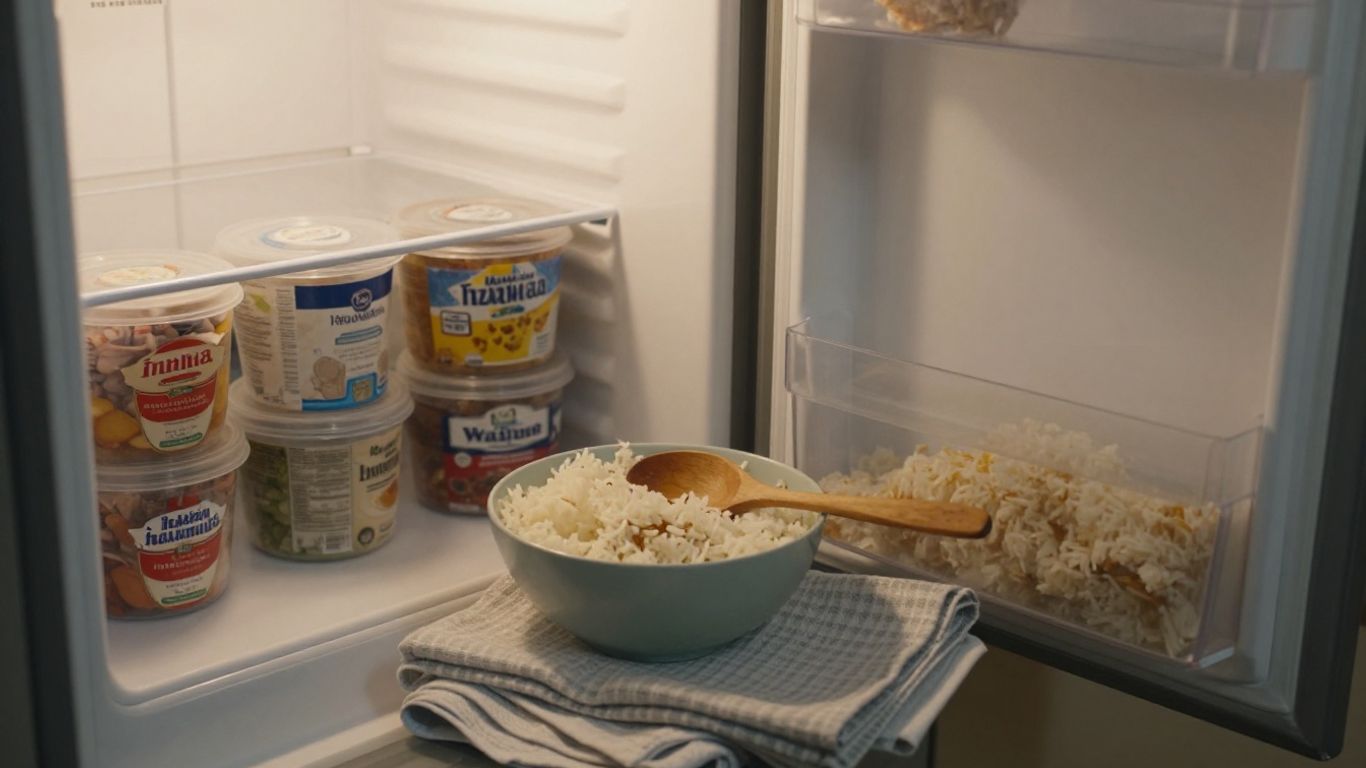
Reheating is part of the service rather than an afterthought. Allow enough time for the meal to heat through, use suitable cookware or packaging instructions, and serve it with rice, roti or another accompaniment if the dish calls for one.
Halal meats used in kitchen-cooked dishes
Kitchen-cooked meats are halal. That is a specific statement about the meat used in the kitchen-cooked dishes, not a reason to infer anything broader about every ingredient or dish. If you have an allergy or a particular dietary requirement, read the dish-level information and ask the provider before ordering.
Vegetarian preferences should be checked in the menu as well. Labels and ingredients matter more than guessing from a dish name, especially when ordering for several people with different preferences.
FSA 5-star kitchen hygiene rating
the FSA 5-star kitchen has an FSA 5-star kitchen hygiene rating. A hygiene rating is one useful part of choosing a provider, alongside clear allergen information, sensible packaging and a delivery process that suits your home. It gives reassurance about the kitchen’s inspected hygiene standard without answering every question a customer might have.
For that reason, combine the rating with practical reading of the ordering page. Check how meals are packed, what storage guidance is supplied and how you can contact the service if an order arrives with a problem.
Finding meals for different Leeds households
A tiffin service can look quite different depending on who is eating and when. A solo professional may want a few evening portions, while a family may need several dishes and a parent may be ordering on someone else’s behalf. Students also have their own constraints, including shared freezers, term dates and limited kitchen equipment. The best plan is the one that reflects those ordinary details.
Options for busy professionals
For professionals, the useful question is often not whether cooking is possible, but whether it is realistic on every planned evening. A few frozen portions can cover late finishes without requiring a supermarket trip or a full preparation session. Choose dishes that reheat in a way you find straightforward and keep one or two portions for the nights that most often run over.
A regular plan can work well if your hours are stable, but occasional ordering may be preferable during travel-heavy weeks. Keep the serving size in view: ordering more than you can store or eat turns convenience into clutter.
Planning meals for young families
Families often need food that can be served at slightly different times. Look for familiar dishes, manageable spice levels and portions that can be paired with rice, roti or vegetables already at home. It may help to order a mixture rather than several servings of one dish, especially when tastes vary from one family member to another.
Allergen information deserves careful attention when ordering for children. Read the labelling, keep the original packaging and avoid making assumptions based on a dish’s name or colour.
Arranging food deliveries for elderly parents
An adult child arranging meals for an elderly parent should consider more than the menu. Ask whether the recipient can receive the parcel, store it safely and follow the reheating instructions. Familiar dishes, milder spicing and portions that are not overwhelming may make the arrangement easier to use.
It is helpful to begin with a small selection and speak with the recipient afterwards. Their comments about taste, texture, portion size and packaging will tell you more than ordering a large box on their behalf without checking.
Student ordering considerations for Leeds universities
Students in Leeds may be balancing lectures, part-time work and shared accommodation. Before ordering, check freezer space, delivery access and whether housemates can identify whose parcel has arrived. A plan with fewer portions may be more practical at the start of term, while a larger order could suit a student who knows the household routine.
Student ordering also benefits from clear budgeting. Compare the full delivered cost with the number of meals, and check whether a subscription can be paused when term ends. A student meal-delivery guide offers a related perspective on flexible planning around university life.
How to order and store tiffin meals
The ordering stage should be calm and quite methodical. Select dishes based on what you will serve, then check the delivery and storage information before paying. Frozen food is convenient only when the receiving, storing and reheating steps are clear. If anything is uncertain, ask the provider rather than improvising.
Selecting dishes and delivery preferences
Choose a first order that gives you useful information without filling every shelf in the freezer. Mix familiar dishes with one or two alternatives, and check the serving guidance for each. Confirm the delivery address, available date and any minimum order or delivery charge before completing checkout.
If several people are eating, write down who prefers which dishes. That small step prevents a box of meals becoming a guessing game later in the week.
Receiving and checking a frozen order
When the order arrives, check that the outer packaging is intact and that the meals are still frozen. Match the contents against the order confirmation and look at the use-by or best-before information supplied. Put the meals away promptly rather than leaving the parcel in a hallway while you carry on with other jobs.
If something is missing, damaged or not as expected, take a photograph and contact the provider using the stated support route. Keeping the packaging and order details makes the conversation simpler.
Safe freezer storage and defrosting basics
Follow the provider’s storage instructions and keep frozen meals in a freezer that is operating properly. Avoid refreezing food once it has fully defrosted, and do not rely on appearance alone to decide whether a meal is safe to use. When defrosting is required, follow the package guidance and allow enough time for the centre of the meal to thaw.
A useful freezer arrangement is to place newer meals behind those you plan to use first. Labelled shelves or a simple note on your phone can prevent portions being forgotten until they are past their recommended date.
Reheating meals for convenient serving
Use the reheating method and timings supplied with the meal, since containers and dishes can differ. Stir when the instructions call for it and check that the centre is hot before serving. If you are heating more than one portion, avoid crowding the cookware so that the food warms evenly.
Let the meal stand for the stated time, then add rice, roti or another accompaniment if wanted. Reheating should fit into the evening rather than become a separate cooking project, but it still deserves attention.
How to make tiffin delivery part of your routine
Once you have tried a service, the next step is to observe your own pattern rather than automatically increasing the order. Which evenings are hardest? Which dishes are finished quickly, and which remain in the freezer? A routine becomes useful when it removes friction without creating waste or taking over the household budget.
Planning weekday lunches and evening meals
Map the week lightly before ordering. Mark late workdays, school activities, lectures and evenings when you expect to cook. Then assign delivered portions to the gaps, leaving some flexibility for changes rather than planning every meal too tightly.
Lunches can be easier when a portion is moved to the fridge according to the supplied instructions the day before. Evening meals may need a different serving size or an added side, so treat lunch and dinner as separate planning questions.
Combining recurring orders with occasional top-ups
A recurring order can cover the dependable part of the week, while an occasional top-up can fill a gap before a busy period. This approach avoids buying a large quantity simply because a plan is available. It also lets you respond to visitors, term dates or a change in working hours.
Keep a note of the dishes and quantities that worked. That record makes the next order quicker and helps you avoid repeating meals that your household did not enjoy.
Estimating portions for individuals and families
Portion planning is easiest when you count actual servings rather than containers. One adult may use a dish for one dinner, while another may combine it with rice and save part for lunch. Families should also allow for different appetites and the possibility that one dish will be much more popular than another.
Start slightly below your imagined weekly maximum, then increase only after seeing how much freezer space and food the household really uses. This is more reliable than guessing from the number of meals advertised.
Using customer reviews and repeat ordering patterns to refine choices
Reviews can help you shortlist dishes, but your own repeat orders are the better long-term guide. Note the meals people ask for again, the ones that reheat well and the portions that fit your normal plates. Over time, you can build a small rotation rather than starting from the full menu every time.
That rotation can change with the seasons and with household routines. Revisit it when a student moves out, work hours change or family members develop different preferences; a useful tiffin service should remain part of life, not dictate it.
Conclusion
Choosing a tiffin service in Leeds is a practical exercise in matching home-cooked Indian meals with real household routines. Check the menu, portions, delivery terms, hygiene information and storage guidance, then begin with an order that gives you room to learn. With the right quantities and dishes, frozen meals can become a dependable part of the week without feeling like an everyday takeaway.
Frequently Asked Questions
What is a tiffin service?
A tiffin service provides prepared meals or meal boxes for delivery, often arranged for a day, week or occasional order. Many services focus on home-style dishes designed to be stored and reheated.
How is tiffin food different from takeaway food?
Tiffin food is generally planned for later use and may arrive frozen, while takeaway food is usually ordered for more immediate eating. Tiffin meals often suit a weekly rotation rather than a one-off craving.
Can I order a tiffin service in Leeds for one person?
Yes, depending on the provider’s available portions and minimum order. A single-person household should check freezer space, serving sizes and whether individual dishes or smaller boxes are offered.
Are tiffin meals suitable for families?
They can be, provided the menu, spice levels, allergen information and portion sizes suit the family. Ordering a small selection first can help identify which dishes work best for everyone.
How should frozen tiffin meals be stored?
Put them into a properly operating freezer promptly and follow the storage instructions on the packaging. Do not refreeze a meal that has fully defrosted, and use the stated guidance for defrosting.
Should I choose a meal plan or a one-off order?
A one-off order is useful for trying dishes and checking delivery, while a meal plan may suit a stable weekly routine. Compare the total cost, flexibility and quantity before committing.
What should I check before ordering?
Check delivery coverage, dates, charges, portions, ingredients, allergen information, storage instructions and customer support details. These practical points often matter as much as the menu itself.