

Meal delivery gift card: a practical UK guide to choosing and gifting one
Saakshi's Kitchen EditorialKey Takeaways
A meal delivery gift card can be both personal and practical, provided the details suit the person receiving it.
- Check whether the card is digital, physical or a voucher code.
- Confirm delivery coverage, storage needs and available meal choices.
- Read the expiry, delivery-charge and redemption terms before buying.
- Choose a value that matches the recipient’s household and routine.
- Include clear delivery details and help with the first order if needed.
What a meal delivery gift card is and how it works
A meal delivery gift card puts the choice of meals in the recipient’s hands while taking away some of the cost. It can work for a birthday, a new home, a difficult week or simply a thoughtful message from far away. Unlike a parcel of food chosen entirely by the giver, the card allows the recipient to consider their freezer space, tastes and schedule. The best option is one that feels generous without creating extra admin.
Digital cards, physical cards and voucher codes
Digital cards are usually sent by email and can be useful when the gift is last-minute or the recipient lives elsewhere. A physical card feels more traditional, while a voucher code may be supplied separately from the message or order confirmation. Before paying, check how the card is delivered, whether it can be forwarded, and whether the recipient needs to create an account before using it. Some general digital gift-card formats also allow the buyer to choose a denomination and add a personal note.
The appearance matters less than the practical details. A digital card should arrive at an address the recipient checks, and a physical card should be sent somewhere reliable. If you are giving the code in person, keep the original email or receipt until the balance has been used.
How recipients choose meals and delivery dates
Most recipients redeem a card during checkout, applying its value to an eligible order and paying any remaining balance themselves. They may be able to browse the menu first, decide how many meals suit their household and select a delivery date or window offered by the service. That flexibility is one of the strongest reasons to choose a meal delivery gift card rather than sending a fixed box.
Explain the process in the message if the recipient is not used to ordering online. They may need to enter their postcode, select meals, provide safe delivery instructions and keep enough freezer space for the parcel. The card is a contribution towards the order, not necessarily a promise that every cost at checkout will be covered.
Key terms to check before buying
Read the terms before choosing the amount. The small print can affect whether the recipient has a pleasant, straightforward experience or has to ask the giver for help later.
| Detail | Why it matters | What to check |
|---|---|---|
| Expiry date | The recipient may not order immediately | Whether the balance expires and when the period starts |
| Delivery area | Not every postcode is covered | The recipient’s full UK postcode and any exclusions |
| Delivery charge | The card may not cover transport | Minimum order, delivery fee and free-delivery threshold |
| Redemption rules | Some cards have limits | One order or several, account requirements and exclusions |
After checking these points, compare the terms with the recipient’s likely routine. A slightly smaller card with a generous expiry may be more useful than a larger one that is difficult to redeem.
How to choose the right meal delivery gift card
Choosing well means thinking about the person, not just the occasion. Consider how many people they feed, whether they have a freezer, and whether they prefer selecting individual dishes or receiving a planned collection. Delivery timing matters too, particularly if the gift is linked to a move, exam period or family visit. A few minutes of checking can prevent a well-meant gift from becoming inconvenient.
Match the gift to the recipient’s routine
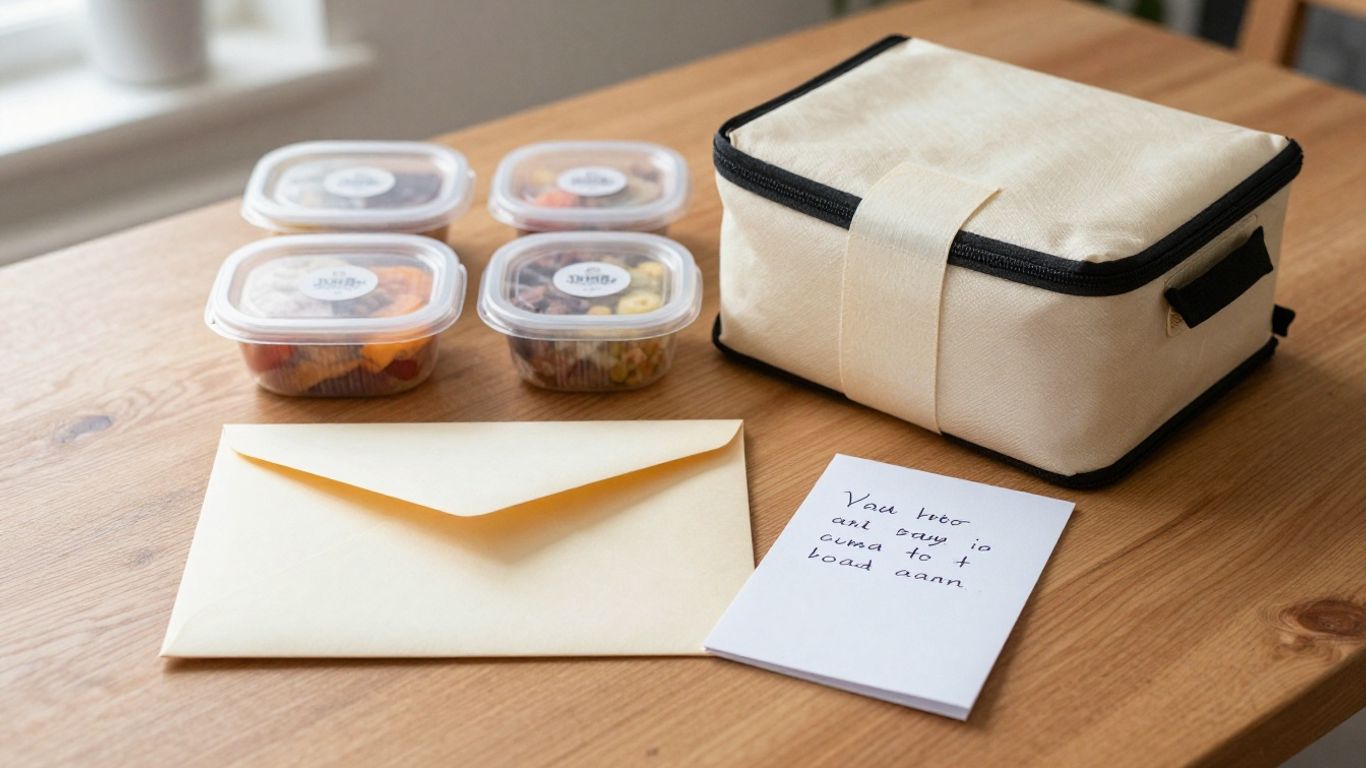
A busy professional may value meals that can be stored and reheated after work, while a young family may need several portions and a little menu variety. A student’s priorities can be different again: limited freezer space, a university address and a careful budget may matter more than presentation. For more detail on planning around term-time routines, this student meal planning guide offers a useful starting point.
Ask yourself when the recipient is most likely to use the gift. If they live alone, a smaller amount spread over more than one order may be sensible. For a household, a larger contribution can help with a family-sized delivery, but only if the service lets the recipient choose suitable portions.
Check delivery areas and available meal options
Never assume that a UK service covers every postcode. Check the recipient’s address, including a flat number, university accommodation or a building with a reception desk. Then look at the menu rather than relying on the service description: the recipient may need vegetarian choices, familiar regional flavours or meals with clear allergen labelling.
A gift works best when the menu leaves room for preference. Look for enough variety to make the card feel like a choice, while also checking whether the food arrives frozen and needs freezer space. If the recipient is sending food to someone else, confirm who will be available to accept the delivery.
Compare value, expiry dates and delivery charges
The face value is only part of the calculation. A £50 card may feel generous, but its usefulness depends on the minimum order, delivery fee, portion sizes and whether the recipient can spend the balance over several orders. Clear terms make a kinder gift because the recipient can plan without guessing.
Compare the likely checkout total with the amount you want to contribute. If the card will cover only part of an order, say so plainly in the message; that avoids an awkward surprise and lets the recipient choose when to use it. Also check whether a balance can be topped up or combined with another payment method.
Who might appreciate a meal delivery gift card
Food gifts can say “I’m thinking of you” without demanding a long reply or a particular date. They are especially useful when distance, work or family responsibilities make a shared meal difficult to arrange. Still, the recipient’s circumstances should guide the choice. A gift that fits their home and habits will feel more thoughtful than one chosen only for its appearance.
Busy professionals and young families
Someone working long hours may appreciate having a few dependable meals in the freezer for evenings when cooking is not realistic. Young families may value food that can be reheated around the school run, although the number of portions and storage space should be checked first. The card can give them breathing room without asking them to organise a restaurant booking.
A personal message can make the gesture warmer: mention a shared dish, a new job or simply the hope that dinner is one less thing to think about. Keep the wording open so the recipient does not feel obliged to use it on a particular day.
Students and parents sending support from afar
For a UK university student, a meal delivery gift card can be a practical reminder of home during a busy term. Parents should check whether the student has a freezer, whether halls accept food deliveries and which address format the courier requires. A student may also prefer a modest card that can be combined with their own order rather than a large parcel arriving unexpectedly.
The menu and delivery charge deserve equal attention. Familiar dishes may be more welcome than an adventurous selection, particularly during the first weeks away from home. If you are arranging food from another country, confirm the UK delivery address and let the student know when the card email will arrive.
Adult children arranging meals for parents
Adult children often want to make everyday meals easier for parents without taking over their choices. A card allows the parent to select dishes they recognise and the quantities they can store. Before sending it, consider whether they are comfortable ordering online or would prefer a family member to place the first order with them.
Delivery instructions should be simple and visible. If a parent may miss a courier, confirm the available delivery window and whether the service explains what happens after a failed delivery. The gift should reduce fuss, not create another task to manage.
What to look for in a home-cooked meal service
A home-cooked meal service needs to work beyond the first impression. The recipient will judge it by the label, the instructions, the packaging and how naturally the meals fit into their week. Look for plain information rather than vague promises. Reviews can help, but they should support your checks rather than replace them.
Reheat instructions and freezer storage
Frozen meals should explain how to store them, how long they can remain frozen and how to reheat them safely. Clear instructions are particularly helpful for someone ordering for the first time or for a parent who prefers familiar routines. Check whether the meals need to be defrosted first, what equipment is suitable and whether portions are packaged individually.
Freezer capacity is easy to overlook. A gift box may be welcome but impractical if the recipient has only a small freezer compartment. Ask before ordering, and consider a smaller contribution if you are uncertain.
Ingredient, allergen and dietary information
A menu should make ingredients and allergens easy to find before payment. Vegetarian dishes should be identified clearly, and the recipient should be able to decide whether a dish suits their own requirements. Do not rely on a general description of “home cooking” to answer a specific dietary question; contact the service if the published information is not enough.
It is also worth checking spice levels and dish names. A meal described as dal tadka is a lentil dish finished with a spiced tempering, while rajma chawal pairs kidney beans with rice. These details help the recipient choose food that feels familiar rather than leaving the decision to guesswork.
Kitchen standards, provenance and customer reviews
Look for a clear account of where the food is prepared, how it is delivered and what customers say about ordering and reheating. A named kitchen and transparent service details are more useful than broad claims about quality. Reviews are most helpful when they mention practical matters such as packaging, delivery reliability and portion size.
For a service rooted in a particular style of cooking, provenance should connect to the food itself. Punjabi home cooking might include dal, rajma, chole, kadhi or seasonal sabzi, with meals portioned for everyday eating rather than presented as a sharing platter. That context gives the recipient a better sense of what they are buying.
How Saakshi’s Kitchen fits a meal delivery gift
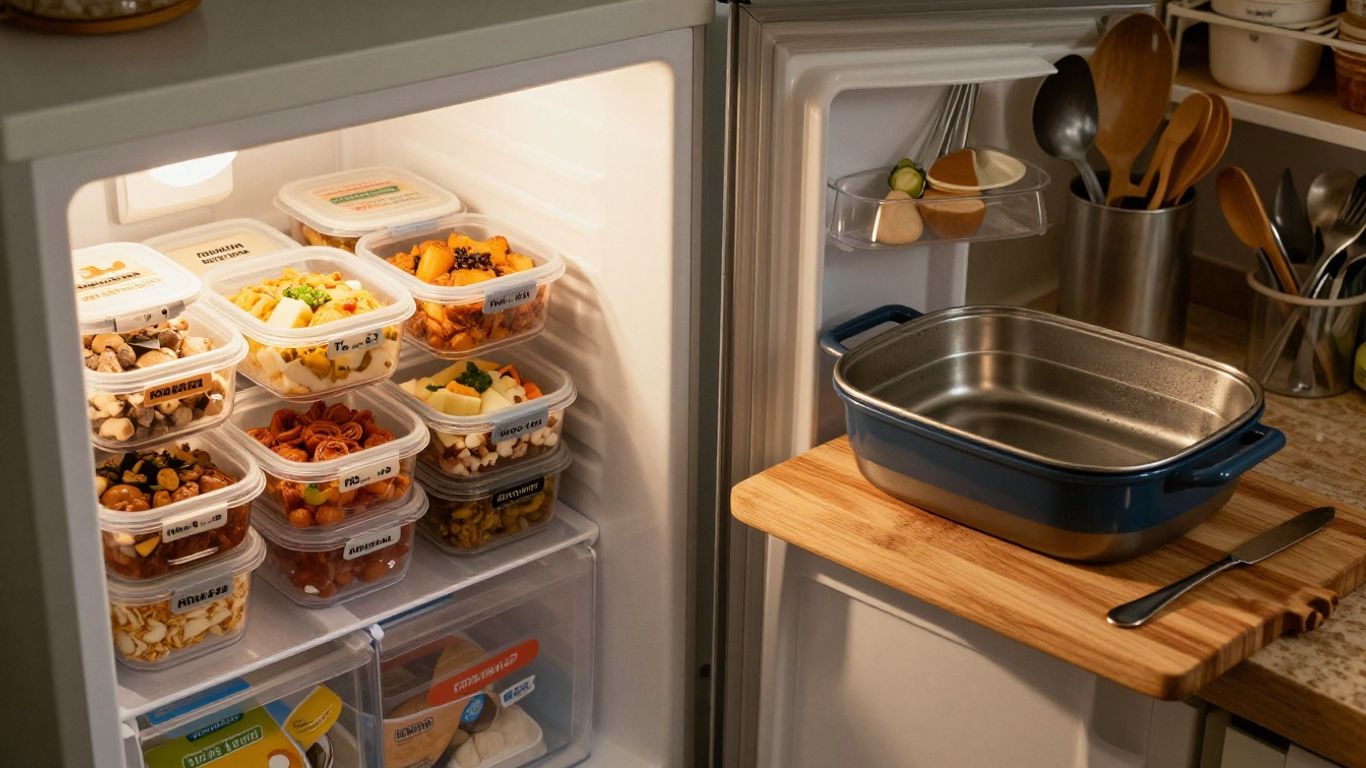
Saakshi’s Kitchen prepares home-cooked Indian meals in a Brighton kitchen and delivers them frozen, ready to reheat. That makes it relevant when a gift needs to be stored and used around real household routines rather than eaten immediately. The cooking is rooted in Punjabi home food, with dishes intended for everyday meals. A home-cooked Indian food gift can therefore be a considered option for someone who misses familiar flavours or needs a little help with weekday dinners.
Home-cooked Indian meals delivered frozen
The meals arrive frozen and are ready to reheat, so the recipient can choose when to use them. This suits a household that wants food available for a busy evening, provided there is enough freezer space. It also makes delivery planning less dependent on the recipient being ready to eat that day.
The style is home cooking rather than restaurant-style occasion food. Dishes such as dal, rajma and chole sit naturally in a weekly rotation, giving the gift an everyday quality that can be more useful than a one-off treat.
Halal kitchen-cooked meats and meal selection
Saakshi’s Kitchen states that its kitchen-cooked meats are halal. Recipients can use the menu to choose the dishes that suit their household, including vegetarian options where available, while checking the ingredient and allergen information for themselves. That choice is useful when the giver knows the broad preference but not every detail.
A gift card can leave those decisions with the person who will eat the meals. Rather than guessing at spice levels, portion preferences or favourite dishes, the giver can offer support and let the recipient build an order that feels right.
Brighton kitchen, UK delivery and service details
Saakshi’s Kitchen prepares its meals in a Brighton kitchen and delivers across the UK. Its published service information also notes an FSA 5-star Brighton kitchen, alongside 4.6★ from 800+ verified reviews and more than 16,000 deliveries. These are useful points to review alongside postcode coverage, delivery charges and the recipient’s storage arrangements.
For a gift, the practical question remains whether the service fits the recipient’s address and routine. Check the current delivery information before buying, then pass on the expected email or order details so the recipient knows what to look for.
How to give and use the gift card smoothly
The handover is part of the gift. A clear message, the right amount and a little help with the first order can turn a code into something genuinely useful. Avoid assuming that everyone orders online in the same way. A recipient may want to browse alone, or they may appreciate a quick phone call while placing the first order.
Choosing the right amount
Start with the recipient’s household size and likely order pattern. A single person with limited storage may prefer a smaller value, while a family may make better use of a larger contribution. Check the service’s minimum order and delivery fee so the amount feels meaningful at checkout.
If you are unsure, choose an amount that contributes clearly without pretending to cover the entire order. Let the recipient know whether they can pay the difference, save a balance or use the card in one transaction.
Adding a personal message and delivery instructions
A short message is enough: explain why you chose the gift, when the card will arrive and who to contact if anything goes wrong. If you are arranging food for someone else, add delivery instructions only with their permission. University halls, flats and shared houses may have specific reception or collection arrangements.
Keep the wording warm but practical. Mention freezer space if the gift is likely to be a larger order, and remind the recipient to check their email for the redemption details. Small information shared at the right time can prevent missed deliveries.
Helping the recipient place their first order
Offer help without choosing every meal for them. You could sit together while they check the postcode, browse the menu and read the storage and reheating instructions. A simple first-order checklist keeps the process manageable:
- Confirm the delivery postcode and address format.
- Check freezer space before selecting the quantity.
- Review ingredients, allergens and spice preferences.
- Note the delivery date, fee and any remaining balance.
Once the order is placed, save the confirmation email and make a note of the reheating guidance. Then let the recipient take over the enjoyable part: deciding what they would actually like to eat.
Conclusion
A meal delivery gift card works best when it respects the recipient’s choices while making everyday food a little easier to arrange. Check the terms, postcode, menu, storage and delivery details, then add a personal message that explains the thought behind it. With those basics covered, the gift can offer comfort, convenience and a taste of home without adding unnecessary fuss.
Frequently Asked Questions
What is a meal delivery gift card?
It is a prepaid contribution towards meals ordered from a delivery service. The recipient usually redeems it online and chooses the meals, quantity and delivery arrangements that suit them.
Is a digital or physical gift card better?
A digital card is convenient for last-minute or long-distance gifting, while a physical card may feel more personal. The better choice depends on how quickly the gift is needed and how the recipient prefers to receive information.
Can a recipient choose their own meals?
Usually, yes, although the exact redemption rules vary. Check whether the card applies to the full menu, selected items or one order, and whether the recipient can pay any difference themselves.
Should I check the recipient’s postcode first?
Yes. Delivery coverage can vary by postcode, and university accommodation or flats may have additional collection arrangements. Confirming the address early prevents avoidable problems.
How much should I put on a meal delivery gift card?
Choose an amount based on household size, typical order value and delivery charges. A useful card does not have to pay for everything, but the recipient should understand what it is likely to cover.
What terms matter most before buying?
Check the expiry date, delivery fees, minimum order, redemption process, balance rules and any exclusions. These details affect how freely the recipient can use the gift.
How can I make the gift more personal?
Add a short note explaining why you chose it, perhaps referring to a shared dish or a busy period in the recipient’s life. If appropriate, offer to help with the first order while leaving the final meal choices to them.
Order home-cooked Indian meals from Saakshi's Kitchen · UK delivery locations.