

Indian Tiffin Service for Students in Reading | Home-Cooked Delivery | Saakshi's Kitchen
Saakshi's Kitchen EditorialKey Takeaways
A tiffin service can make student mealtimes easier to plan, especially when kitchen space, time and freezer room are limited.
- Home-cooked Punjabi meals are delivered frozen and reheated when needed.
- Meal boxes can fit around lectures, revision and part-time work.
- Students can choose vegetarian dishes or kitchen-cooked halal meats.
- Checking the postcode, storage space and packaging instructions helps avoid surprises.
- Families can arrange practical deliveries for students living away from home.
What an Indian tiffin service offers students in Reading
An Indian tiffin service gives students another way to organise meals beyond cooking from scratch or ordering a restaurant takeaway. In Reading, the useful distinction is that meals arrive frozen, ready to reheat when it suits the student’s timetable. That makes the service less about a single evening’s craving and more about having familiar food available during a busy week.
The best choice still depends on practical details: the Reading postcode, freezer capacity, reheating equipment and the student’s own food preferences. It is worth checking those points before ordering, particularly when living in halls or sharing a kitchen with several people.
Understanding the home-cooked meal format
Home-cooked tiffin food is usually planned as an everyday meal rather than a restaurant-style spread. Punjabi dishes such as dal tadka, rajma chawal and kadhi bring distinct textures and flavours to the table, while a meal may be paired with rice, roti or another simple accompaniment. The intention is familiar ghar ka khana: food that feels suited to an ordinary Tuesday evening.
A student may prefer this format because it offers a complete meal without asking them to buy several separate dishes. Portions can be eaten when required, rather than arriving as a large sharing order intended for immediate serving.
How frozen delivery fits student accommodation
Frozen delivery can work well in student accommodation when there is a reliable freezer and a clear place to receive the box. A student does not need to plan around a delivery arriving precisely at dinnertime; instead, meals can be kept stored and reheated according to the packaging guidance. That flexibility is useful during late seminars, society commitments or long library sessions.
Before ordering, check whether the accommodation accepts food deliveries at reception and whether the freezer has enough room. If a shared freezer is already crowded, a smaller box or a delivery timed around a clear-out may be more sensible.
The difference between tiffin meals and takeaway ordering
Takeaway ordering is often an immediate decision: choose a dish, wait for delivery and eat it that evening. A tiffin arrangement is more deliberate. Meals are delivered frozen, so the student can plan several dinners and avoid making a new decision whenever hunger arrives.
That does not make one approach right for every occasion. Restaurant food can suit a celebration or a night with friends, while ghar ka khana is designed for the quieter rhythm of study, laundry and weekly errands. Everyday food needs everyday planning, and a freezer can make that planning less demanding.
What to check before placing an order
A short check before payment can prevent awkwardness later. Reading addresses vary between halls, shared houses and private flats, so the delivery details should be entered exactly as the accommodation expects them. It is also worth checking whether the menu suits the student’s spice preferences and whether the household needs vegetarian choices or halal kitchen-cooked meats.
For a useful local starting point, students can browse the Reading tiffin guide and then confirm the postcode, available meals and delivery information before ordering. The key is to treat the first order as a practical test of fit, not simply as a search for a quick dinner.
Why Indian food delivery can suit student routines
Student routines rarely stay fixed for long. A week may include early lectures, evening seminars, part-time shifts, group work and the occasional night when cooking feels like one task too many. Indian food delivery for students Reading can suit that pattern when meals are planned in advance and stored for the days they are most likely to be needed.
This is not about removing cooking from student life altogether. It is about giving students a dependable option for busy evenings, while leaving room for shared meals, simple breakfasts and whatever else their timetable brings. A little planning can also make the cost easier to understand from week to week.
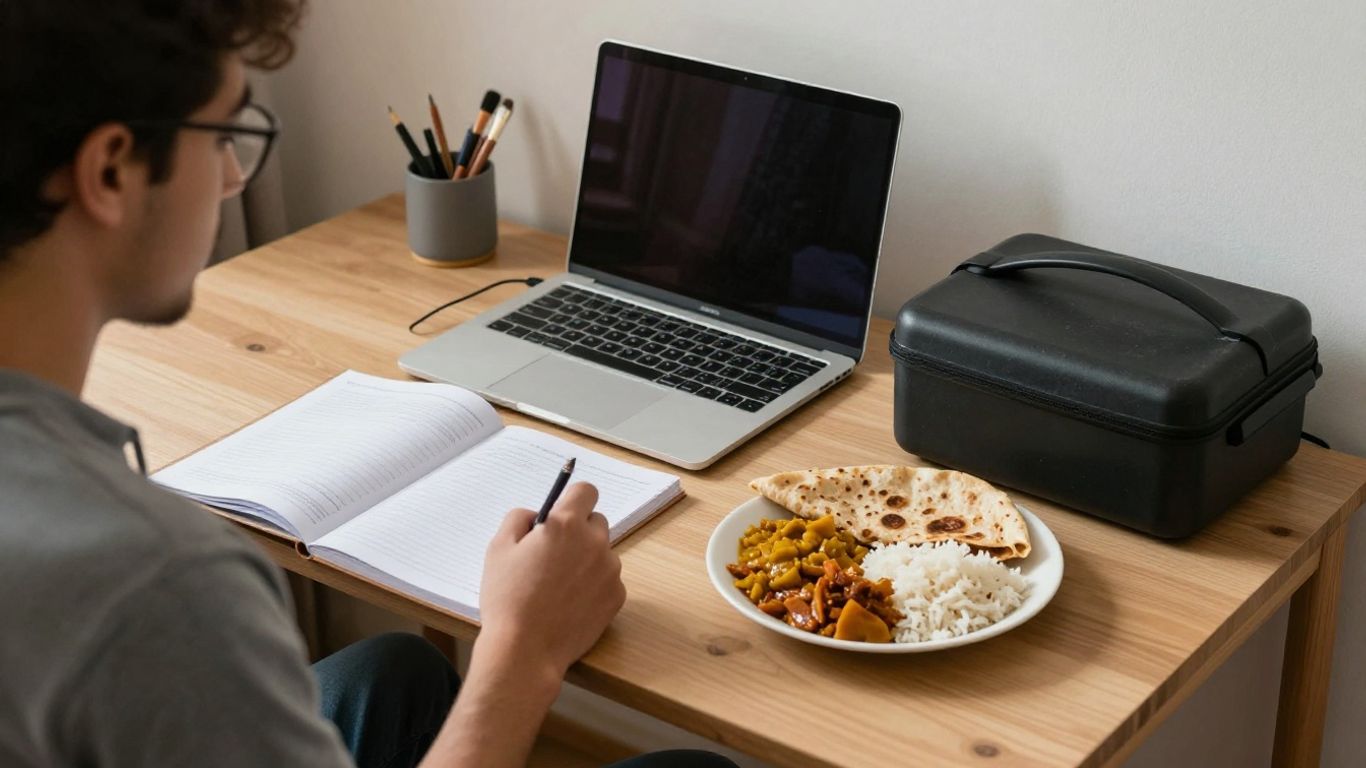
Planning meals around lectures and study sessions
A student can look at the week ahead and identify the evenings when cooking is unlikely to happen. Those might be days with back-to-back lectures, a late shift or a deadline. A frozen meal can then be allocated to that evening without requiring a separate shopping trip or a long preparation session.
It helps to keep the plan realistic. There is no need to assign every meal seven days ahead; choosing three or four likely busy evenings may be enough. The remaining days can stay flexible for cooking with housemates, eating on campus or trying something different.
Reducing reliance on last-minute takeaway orders
Last-minute orders are easy to make when the fridge looks uninspiring and a deadline is approaching. Having meals already stored creates a pause between feeling hungry and spending money on whatever is available fastest. The student can decide whether to reheat a tiffin meal, cook something simple or still order in when that genuinely suits the evening.
A small routine helps: check the freezer at the start of the week, move the next meal into the most accessible space and keep rice, bread or another accompaniment available. That turns a vague intention into a manageable dinner plan.
Choosing portions for one student or shared accommodation
One student may want a compact selection of different dishes, while housemates may prefer to combine orders and share the freezer space. Portion decisions should reflect how often meals will be eaten, not just how much food sounds appealing when placing the order. A box that cannot be stored comfortably is unlikely to be convenient.
The following simple planning guide can help students compare their options:
| Situation | Practical approach | Point to check |
|---|---|---|
| One student, limited freezer space | Choose a smaller selection | Can the meals fit without blocking other food? |
| One student, busy week | Plan meals for the busiest evenings | Will the student be home to receive the delivery? |
| Shared house | Agree storage and labelling first | Which shelf or drawer is available? |
| Family-funded order | Discuss preferences before ordering | Are the dishes suitable for the student’s routine? |
The table is only a starting point, but it encourages a conversation before the box arrives. Shared accommodation is much easier when everyone knows what is being delivered and where it will be kept.
Balancing convenience with a student budget
A student budget is easier to manage when meal costs are considered across several evenings rather than judged against one takeaway order. Compare the number of portions, any rice or bread that needs to be added, delivery charges and the amount of freezer space involved. The cheapest-looking option is not always the most useful if part of it goes unused.
Students can also decide which meals are worth planning and which they can prepare themselves. A few stored dinners may be enough to cover demanding days without turning every meal into a purchased one.
Exploring the Saakshi's Kitchen menu
A menu is easier to navigate when students start with the kind of food they actually enjoy eating at home. Punjabi home cooking may include dal, rajma, chole, kadhi and seasonal sabzi, with spices used for flavour rather than simply heat. That makes the choice feel more personal than selecting an anonymous curry by number.
Saakshi's Kitchen describes its meals as home-cooked Indian meals prepared in a Brighton kitchen and delivered frozen, ready to reheat. The menu conversation should therefore focus on dishes, preferences and practical storage rather than expecting restaurant-style service or same-evening preparation.
Regional flavours and familiar ghar ka khana
Ghar ka khana means food with the rhythm of a home kitchen: a dal finished with tadka, rajma cooked for a comforting bowl of rice, or kadhi with its gentle tang. These dishes can be familiar to students who grew up eating them and interesting to those discovering a different side of Indian food.
The kitchen method matters to the final character of a dish. Building masala from onion, tomato, ginger and garlic, then finishing dal with tadka, gives meals a different feel from a generic sauce poured over every order. Students can browse the home-cooked tiffin menu to see which dishes fit their own tastes and routines.
Selecting vegetarian and meat-based dishes
Students may want a mixture of vegetarian meals and meat-based dishes across the week. A sensible approach is to choose a few dependable favourites first, then add one or two dishes that are less familiar. This keeps the order enjoyable without filling the freezer with meals the student may not reach for.
The kitchen-cooked meats are halal, and vegetarian options are available. Students should still read the individual dish information and consider their own preferences, especially if several people are combining an order.
Checking ingredients, allergens and personal preferences
Ingredient and allergen information deserves attention before ordering, particularly in shared accommodation where meals may be stored beside other people’s food. Students should read the available labelling, ask questions where necessary and avoid assuming that a dish is suitable simply because it sounds familiar.
Spice level is another personal matter. Punjabi home cooking may be milder than a restaurant curry while still being properly spiced. Someone who prefers gentle heat can choose accordingly, while another student may want to add chilli or a pickle at the table.
Considering halal kitchen-cooked meats
For students who eat halal meat, the relevant point is that the kitchen-cooked meats are halal. It remains sensible to check the dish description and packaging information for the particular meal being ordered, especially when selecting a mixed box.
Students who do not eat meat can choose vegetarian dishes instead. Discussing these choices before ordering is particularly helpful when parents or housemates are paying and the student is not making the final selection themselves.
How to order Indian food delivery for students in Reading
Ordering for a student is straightforward in principle, but the delivery address needs more care than a typical home order. Halls may have a reception desk, access restrictions or a building name that must be included. Shared houses can also have several similar addresses, so clear instructions are useful.
The process works best when the student and whoever is paying agree on the meals, delivery timing and storage plan first. That small conversation can prevent a box arriving when nobody is available or when the freezer is already full.
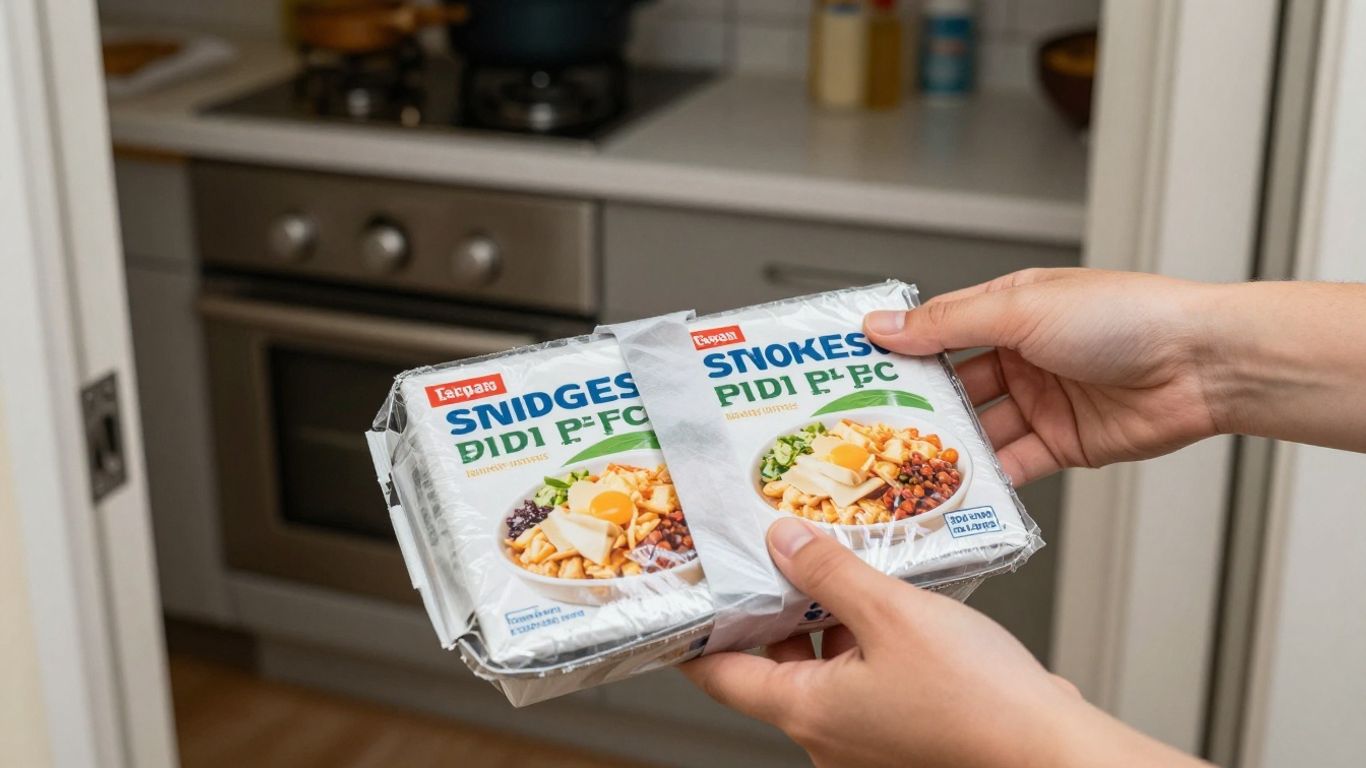
Checking Reading postcode and delivery availability
Start with the full Reading postcode rather than assuming that every nearby address is covered. A postcode check confirms whether delivery is available and may show the relevant delivery information for the area. This is especially useful when a student has recently moved from halls into a private flat.
If the order is being placed from another city, the person paying should still use the student’s actual delivery address. The recipient’s postcode, not the family home, determines where the box needs to go.
Choosing meals for one-off orders or planned weeks
A one-off box can be a useful introduction, particularly if the student has not tried the meals before. Planned weekly orders may suit someone who already knows which dishes they enjoy and wants a more regular freezer routine. Neither choice needs to be permanent; the right arrangement can change during term, holidays and exam periods.
Students should begin with a quantity they can store and eat comfortably. Ordering more than the available freezer can hold creates unnecessary pressure, while a modest first order gives the household a chance to understand how the meals fit into everyday life.
Using student accommodation delivery details
Include the building name, room or flat number where appropriate, and any reception instructions. If the accommodation has a delivery window, the student should know when to expect the box and how it will be handed over. A phone number that the courier can use may also help, provided it is entered accurately.
For halls, it is worth checking the accommodation’s own rules about frozen food deliveries. For a shared house, tell housemates in advance so nobody mistakes the box for a communal grocery order.
Coordinating orders with housemates or family
Housemates may want to combine orders to share delivery arrangements, but each person should agree on storage and payment before the order is placed. Families can also order for a student, provided the student’s preferences and timetable remain central to the decision.
A simple message can cover the important details: which meals were chosen, when the delivery should arrive and where the box will be stored. That keeps the experience supportive rather than turning a helpful order into another administrative task.
Receiving and storing frozen Indian meals
Receiving the box is the point at which the delivery plan becomes part of the student’s kitchen routine. The student should know where the meals will go before opening the package, especially in a small shared freezer. Good organisation at this stage makes later reheating much easier.
Frozen meals also need to be treated according to their packaging guidance. The label is the most useful source for storage instructions, dates and reheating details, so it should not be discarded before the meal has been used.
What to expect when a delivery arrives
The meals should arrive frozen and ready to be stored until needed. Check the parcel promptly, confirm that the dishes match the order and place them in the freezer as soon as practical. If anything appears unclear, keep the packaging and contact the relevant service rather than guessing.
Students living in halls may need to collect the box from reception. It helps to arrange collection promptly, since reception areas are not a substitute for a freezer.
Making room in a shared student freezer
Freezer space is often the main limitation in student accommodation. Before delivery, remove old items, group existing food together and agree which shelf or drawer is available. If several students are ordering, labels with names and dates can prevent confusion.
A narrow, organised section is often more useful than trying to fit meals into every spare gap. Keeping the packaging together also makes it easier to find cooking instructions when dinner time arrives.
Planning meals around thawing and reheating
The packaging will indicate whether a meal should be cooked or reheated from frozen and provide the relevant timings. Students should read that information before deciding what to eat, rather than moving a meal between the freezer and fridge without a plan.
It can help to choose the next day’s meal in advance and place any required accompaniment on the shopping list. This keeps the evening simple without relying on guesswork.
Following the meal packaging and storage guidance
Storage and reheating instructions vary by product and appliance, so the packaging should take priority over general advice. Students should follow the stated temperature, timing and standing instructions, and keep the meal stored as directed until preparation.
The label also helps with personal organisation. Writing a short freezer list on a phone or noticeboard means students can see what they have without leaving the freezer door open while searching.
Reheating meals safely in student accommodation
Reheating in student accommodation is usually a matter of using the appliance available and following the meal’s instructions carefully. Microwaves are common in halls, while some shared houses also have ovens or other suitable equipment. The kitchen may be busy, so it is useful to prepare the meal with a little patience rather than rushing the final stage.
A meal should be served only when it has been heated thoroughly according to the packaging guidance. Students should also use suitable cookware and allow for standing time where the instructions specify it.
Using a microwave, oven or other available appliance
The packaging should state which appliance can be used and how the meal should be prepared. Microwave timings may depend on the appliance’s power, while oven instructions may require preheating and a suitable dish. Students should not transfer a meal into an unapproved container without checking the instructions first.
If the kitchen has only a microwave, plan around its size and keep the turntable clear. If an oven is shared, agree on a cooking time so the meal does not get forgotten among other dishes.
Checking that food is heated thoroughly
Follow the stated cooking time, then check the centre of the meal rather than relying only on the outside feeling hot. Stirring may be appropriate for some dishes if the packaging says so. Allowing the recommended standing time helps heat distribute through the portion.
If the meal is not piping hot throughout, continue heating in short stages and follow the package guidance. Students should avoid eating a portion that remains cold in the middle.
Managing preparation in a shared kitchen
Shared kitchens work better when students clean the surface before and after use, keep packaging together and label anything being returned to the fridge or freezer. A short preparation routine also makes it easier for housemates to use the space without stepping around someone else’s dinner.
Set a timer if leaving the kitchen, and take hot food back to the student’s room only in a stable, heat-safe container. Small habits matter when several people are preparing meals at once.
Combining meals with rice, bread or simple sides
A tiffin meal can be served with rice, roti, bread or another side that suits the dish. Students may already have microwave rice, flatbreads or salad ingredients available, but these should be chosen according to personal taste and storage space.
Keeping accompaniments simple preserves the convenience of the main meal. It also gives students a way to vary the same dish across different evenings without needing a completely new order.
Why families may order student meals from Saakshi's Kitchen
Moving away to university often means learning several new routines at once, including shopping, cooking and managing a small kitchen. Families may order meals as a practical way to send a familiar taste of home without asking the student to coordinate every detail alone. The arrangement can be especially useful during the first weeks of term or a demanding run of assignments.
It still works best when the student’s preferences lead the decision. A thoughtful box is more useful than a large one chosen without checking what the student eats, where it will be stored or when it can be reheated.
Sending familiar food to students away from home
Food can carry a sense of routine when everything else around a student feels new. Familiar dishes such as dal tadka, rajma chawal or kadhi may be welcome after a long day, particularly when the student has little time or equipment for cooking. The point is not to recreate every meal from home, but to make a few evenings feel easier.
A family can ask which dishes the student misses, which foods they can store and whether they prefer vegetarian meals or kitchen-cooked halal meats. That turns the order into a shared decision rather than a parcel chosen at a distance.
Planning deliveries around term-time routines
Term dates, reading weeks and holidays can affect whether a student is at the delivery address. Families should check the academic calendar and confirm that the student will be available to receive the box. A delivery planned around a quieter week may be easier to manage than one sent during a move or a break.
The student’s accommodation rules should be checked too. Reception arrangements, collection times and freezer access can all change between halls and private housing.
Choosing a practical option for busy weeks
A practical order is one that matches the student’s real week. It may cover a few late finishes, an exam period or the first days after moving into a new flat. The student can still cook, eat with friends and use campus facilities; the stored meals simply provide another reliable option.
This is where the tiffin format differs from ordering dinner at the last minute. Meals arrive frozen, ready to reheat, and can be used when the timetable demands it rather than only when a courier is available.
Reviewing the service before ordering in Reading
Before paying, families should confirm the Reading postcode, delivery details, storage capacity and meal preferences with the student. They can also review the menu and packaging guidance so the recipient knows what to expect. Clear information is more useful than making broad assumptions about what student accommodation can handle.
Saakshi's Kitchen has published service information for home-cooked Indian meals delivered frozen and ready to reheat; the final check should still be made against the student’s exact address and current requirements. That keeps the order grounded in the student’s actual routine.
Conclusion
For students in Reading, a frozen Indian tiffin service can provide familiar home-cooked meals that fit around lectures, study sessions and shared accommodation. The most successful orders are modest, well planned and based on the student’s preferences, freezer space and delivery arrangements.
Frequently Asked Questions
What is an Indian tiffin service for students?
It is a meal service that provides prepared Indian dishes in portions suited to individual meals, often delivered frozen so they can be stored and reheated when needed.
Are tiffin meals the same as restaurant takeaway?
No. Takeaway is generally ordered for immediate eating, while tiffin meals are planned, stored and reheated according to the student’s timetable.
Can students order one-off meal boxes?
Many services offer one-off boxes as well as recurring plans, but students should check the current ordering options, delivery area and minimum order requirements before paying.
How should frozen meals be stored in student accommodation?
Keep them in a suitable freezer and follow the storage information on the packaging. In shared accommodation, agree on a shelf or drawer and label meals where necessary.
What should students check before ordering in Reading?
They should confirm postcode coverage, delivery instructions, freezer capacity, reheating equipment, ingredients, allergens and whether the available dishes match their preferences.
Can families send meals to a student address?
Yes, provided the family has the correct accommodation details and the student can receive and store the delivery. It is best to agree on dishes and timing beforehand.
How can students fit tiffin meals into a budget?
Plan meals for the busiest evenings, compare the cost across the number of portions and avoid ordering more than can be stored or eaten comfortably. Simple sides can be added according to the student’s existing food shop.
Order home-cooked Indian meals from Saakshi's Kitchen · UK delivery locations.