

Indian Tiffin Service for Students in Reading | Home-Cooked Delivery | Saakshi's Kitchen
Saakshi's Kitchen EditorialKey Takeaways
Student meal delivery works best when it fits the realities of halls, lectures, freezer space and changing term dates.
- Frozen, ready-to-reheat meals can provide a practical alternative to cooking every evening.
- Check your Reading postcode and accommodation details before placing an order.
- Choose a mixture of vegetarian and meat-based meals around your weekly routine.
- Follow the pack instructions for storage and reheating, especially in shared kitchens.
- Compare one-off boxes and flexible plans with your budget, timetable and available freezer space.
What an Indian tiffin service offers students in Reading
An Indian tiffin service is built around everyday meals rather than a restaurant-style occasion. For a student in Reading, that can mean keeping familiar dishes in the freezer for evenings when lectures, work or revision have taken over. The focus is on portions that work as meals, with practical storage and reheating in mind. Saakshi's Kitchen describes its food as Punjabi home cooking, delivered frozen and ready to reheat.
How home-cooked Indian meals differ from takeaway ordering
Restaurant Indian is celebration food; ghar ka khana is Tuesday night. A takeaway is usually chosen for one immediate meal, while a tiffin box can be planned around several ordinary days. Punjabi home cooking might include dal tadka, finished with a proper tadka, rajma chawal, or kadhi, a gently spiced yoghurt-based dish, alongside rice, roti or sabzi.
The difference is also in the cooking approach. The masala is built from onion, tomato, ginger and garlic, with spices ground and blended in the kitchen rather than relying on one generic curry powder. That gives the food a familiar, family-kitchen character without making every meal intensely hot.
Why a tiffin service can suit university routines
Students rarely have identical weeks. One day may leave time for cooking; the next may run from an early seminar to a part-time shift. Frozen meals allow dinner to be decided in advance, so the choice is not always between cooking from scratch and ordering at the last minute.
A meal box can also be useful for parents arranging food for a student who has recently moved away. The right amount depends on freezer capacity and routine, but even a small supply can make busy evenings feel less improvised.
Choosing meals for evenings, weekends and busy study days
Start with the occasions you can predict. A milder curry or dal may suit a late evening, while a more substantial combination can be kept for a weekend when there is time to sit down properly. It is usually more useful to build variety than to order several portions of the same dish.
A simple way to think about the week is to match meals to likely use:
- Dal, rice or kadhi for a straightforward evening at home.
- Rajma chawal or chole when you want a familiar, filling combination.
- A vegetable dish such as baingan bharta alongside roti or rice.
- Meat-based options for days when you want something different from your usual rotation.
This approach keeps the freezer useful without turning meal planning into another demanding task. If you are comparing options for Indian food delivery for students Reading, look for food that fits ordinary evenings as well as occasional treats.
Understanding frozen delivery and ready-to-reheat meals
Frozen delivery changes the timing of the meal rather than asking you to eat it immediately. Keep portions in the freezer as directed, then reheat them when convenient, following the instructions on the pack. That can suit students who do not know exactly when they will finish studying.
The arrangement also makes planning clearer: order a box, make room for it, and use portions across the coming days or weeks. It is not the same as same-evening takeaway, and that distinction matters when deciding what kind of food service suits you.
How to order Indian food delivery for students in Reading
Ordering from student accommodation is mostly about checking practical details before choosing dishes. Reading includes halls, shared houses and private flats, and each may have different access arrangements. Begin with the postcode, then review the menu and delivery instructions carefully. The Reading tiffin service page is a useful starting point for checking local ordering information.
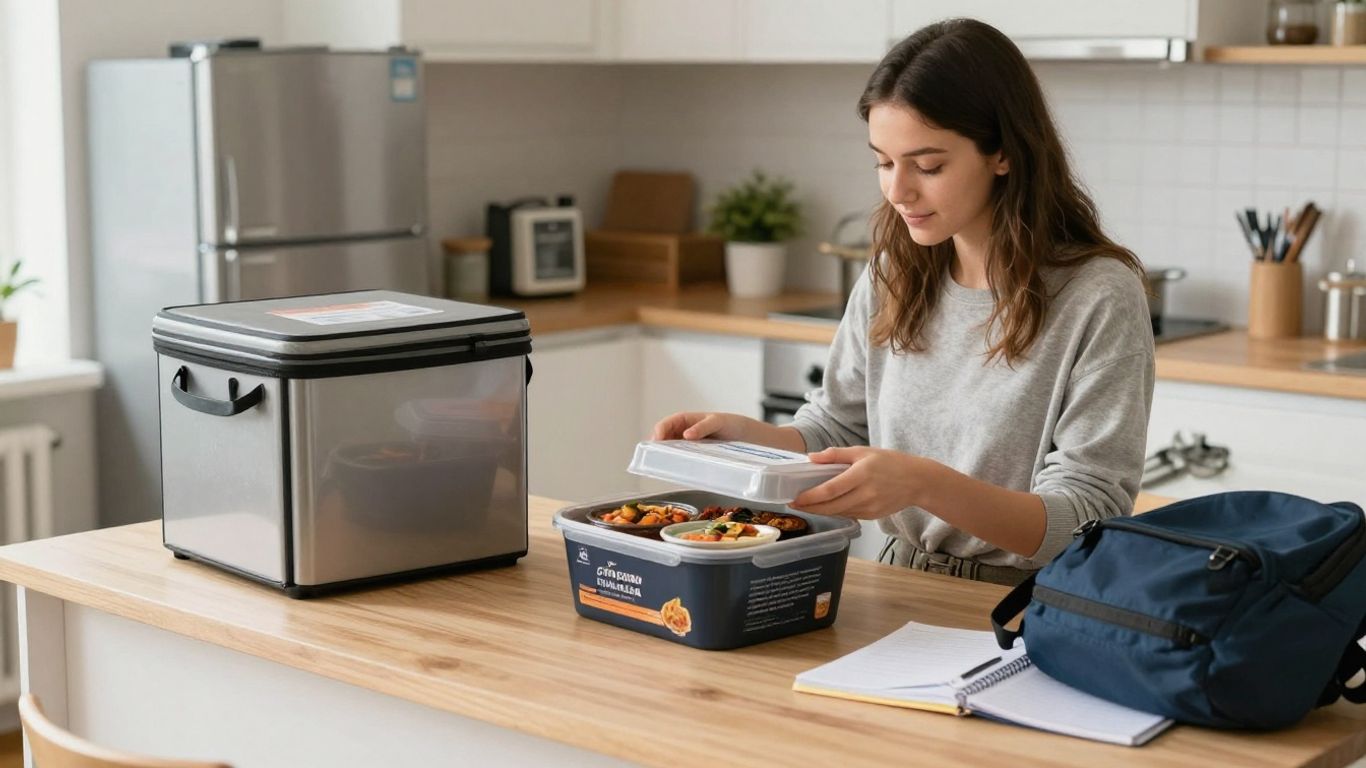
Checking whether your Reading postcode is covered
Enter the full postcode rather than assuming that every Reading address follows the same delivery route. A halls address may also need a building name, flat number or reception instruction. If the checker does not recognise the address, review the details and contact the service before paying.
Coverage can change by area and delivery schedule, so checking at the point of ordering is more reliable than relying on a general assumption. The Reading delivery information page can also help you understand what to check before starting an order.
Browsing the student menu and available meal options
Read the dish names, portion information, storage guidance and dietary notes before adding items to your basket. A student menu may include one-off boxes as well as flexible weekly arrangements, so consider whether you want to test a few dishes or plan several meals.
Look for a useful mix rather than ordering by photograph alone. Dal, rice, sabzi, roti, curries and snacks can all have different roles in a week, and familiar flavours may be more valuable than a large but repetitive order.
Selecting delivery details for halls, shared homes and private accommodation
Use the address exactly as it appears on your tenancy or university records. Add the hall or building name, room or flat number, phone number and any clear reception instruction where the checkout allows it. For shared homes, tell housemates when a delivery is expected so that a box is not left in an unsuitable place.
Students moving between addresses should avoid using an old saved address without checking it. Delivery details are part of the order, not a minor afterthought, particularly when several people share the same entrance.
Placing an order through Saakshi's Kitchen
Once the postcode, dishes and address are checked, review the basket and delivery information before confirming. Saakshi's Kitchen provides home-cooked Indian meals prepared in a Brighton kitchen and delivered frozen, ready to reheat. Keep the confirmation email so you can refer to the chosen meals and delivery details later.
If you are ordering for a student who is away from home, make sure they know when to expect the box and where it should be stored. A short message can prevent confusion in a busy hall or shared kitchen.
Planning meals around student life
Meal planning should make a student week calmer, not create a second timetable. Start with the fixed points—lectures, placements, work shifts and travel—then decide where a freezer meal genuinely helps. One-off boxes may suit an unpredictable term, while a flexible plan may suit a student who eats at home most nights. The useful choice is the one that reflects actual habits.
Ordering around lectures, placements and revision periods
Look at the week in broad blocks rather than planning every dinner precisely. Keep some meals for late returns, some for evenings at home and perhaps a couple for revision periods when leaving the library feels inconvenient. Delivery timing should be considered alongside your timetable, especially if you are rarely at the address during the day.
Before a busy fortnight, check freezer space and order early enough for the meals to be available when needed. This is a small piece of preparation, but it removes one decision from an already crowded day.
Deciding how many meals to keep on hand
The right number is limited by three things: how often you eat at home, how much freezer space you have and how frequently your plans change. A student eating at home three evenings a week will need a different box from someone who travels most weekends.
Use this rough planning table as a starting point, then adjust it to your own routine.
| Weekly pattern | Practical starting point | What to consider |
|---|---|---|
| Usually away at weekends | 3–4 meals | Keep portions for weekday evenings |
| Home most evenings | 5–7 meals | Allow room for other frozen food |
| Revision or placement block | 6–10 meals | Confirm storage space first |
| Sharing with flatmates | Group box | Agree dishes and costs beforehand |
The table is only a planning aid, not a promise that every week will look the same. It is sensible to begin with less, see how quickly meals are used, and change the next order accordingly.
Coordinating shared orders with flatmates
Shared orders can make sense when several people already have compatible delivery details and freezer space. Agree the budget, dish choices, collection point and how you will divide any delivery charge before ordering. Labelled bags or a simple note in the kitchen can prevent a surprisingly awkward conversation later.
It also helps to keep dietary preferences separate rather than assuming everyone wants the same spice level. A mixed box gives each person more choice, provided the household has enough room to store it.
Managing deliveries during holidays and term-time moves
University addresses are temporary, so review your plans before Christmas, reading weeks and the end of term. Do not send a box to halls after you have moved out, and do not assume reception will hold it indefinitely. If you are returning home, use the address where the meals will actually be received and stored.
A flexible ordering pattern is often easier than trying to maintain a regular schedule through every break. Recheck your address when returning to Reading, especially after moving from halls into a shared house.
Reheating and storing delivered meals
Frozen meals are most convenient when storage and reheating are treated as part of the order. Make room before delivery, read the labels and avoid stacking items so tightly that you cannot see what you have. Shared kitchens reward a little organisation. The aim is a meal that can be found, heated and served without guesswork.
Following the storage instructions after delivery
Put the meals away according to the pack instructions as soon as practical. Keep them frozen, and check that every portion has a clear label or visible dish name. If a delivery has been left somewhere unexpected, deal with it promptly and ask for guidance if you are unsure whether it has remained suitably frozen.
Students with small freezers may need to remove bulky packaging or arrange the meals upright, but only where that does not obscure the labelling. Knowing what is in the freezer makes later choices much easier.
Reheating portions safely and consistently
Follow the stated method and timing for each portion rather than applying one setting to every dish. Heat the meal until piping hot throughout, paying attention to the centre as well as the edges. Allow it to stand if the instructions recommend it, then stir or check before serving.
Microwaves vary, and containers differ, so the first portion is a useful opportunity to learn how your appliance behaves. Once you know the pattern, reheating becomes a predictable part of the evening.
Organising meals in a shared freezer
Use one shelf, drawer or labelled section for delivered meals where possible. Keep older portions towards the front and newer ones behind them, and agree with flatmates which space belongs to whom. A quick freezer check before ordering avoids buying more than the household can sensibly store.
It is also worth keeping the meal labels visible. That makes it easier to choose a portion without opening every container and helps prevent a housemate from taking food that was ordered for someone else.
Avoiding food waste when plans change
Student plans move quickly, so do not build an order around an ideal week that rarely happens. Choose portions you are likely to eat, keep track of what remains and pause before adding more. If a meal is no longer wanted, discuss it with a flatmate rather than letting it disappear at the back of the freezer.
A short inventory on your phone can help: list the dishes, note what has been used and check it before the next order. That habit is simple enough to maintain during term time.
Choosing meals and checking dietary information
A menu should give you enough information to make a comfortable choice. Read the ingredient and allergen details, consider how much spice you prefer and ask questions before ordering if something is unclear. Do not rely on a dish name alone when you have a specific dietary requirement. The more precise the question, the more useful the answer is likely to be.
Reviewing ingredients and allergen information before ordering
Check the published information for each dish and look at the packaging when the meals arrive. Shared kitchens can introduce another source of confusion, particularly when several boxes are stored together. Keep meals in their original labelled containers and avoid guessing about ingredients.
If an allergen is a serious concern, contact the kitchen before placing an order and explain exactly what you need to know. A generic preference and a medical requirement are not the same question, so clarity matters.
Understanding the menu’s vegetarian and meat-based choices
Vegetarian choices can sit alongside dishes made with meat, rice, dal and vegetables, allowing students to build a box around personal taste. Consider choosing a few familiar meals and one or two dishes you have not tried before. You can also think about how each portion will pair with what you already keep at home.
Descriptions such as dal tadka, chole or baingan bharta are useful starting points because they tell you more than a broad label. If you prefer milder food, check the description or ask about the heat level rather than assuming every curry is fiery.
What to know about kitchen-cooked halal meats
The kitchen information states that its kitchen-cooked meats are halal. Students who need further detail should read the available dish information and ask their own specific questions before ordering. Vegetarian meals may be a straightforward alternative when a particular ingredient or preparation detail is uncertain.
Avoid treating halal as a complete answer to every dietary question. It addresses the meat preparation described, while allergens, spice preferences and other ingredients still need separate consideration.
Contacting Saakshi's Kitchen about specific dietary requirements
Saakshi's Kitchen is the appropriate point of contact for questions about a particular dish, ingredient or preparation detail. Have the dish name and your exact concern ready, and ask before checkout rather than after delivery. This gives you a clearer basis for choosing the menu.
Keep any response with your order notes, but still check the label when the box arrives. Menus and ingredients can change, so the current information should guide the decision.
Why students and parents may choose Saakshi's Kitchen
Parents often want a student to have something familiar available without arranging a meal every day. Students may simply want a reliable freezer option that tastes closer to home cooking than an occasional takeaway. The relevant evidence here is practical rather than extravagant: where meals are prepared, how the kitchen is rated and what the published customer figures show. Those details can help a family decide whether the service is worth investigating.
Meals prepared in a Brighton kitchen
The meals are prepared in a Brighton kitchen and are based on home-cooked Indian food. The cooking approach centres on Punjabi family recipes, a masala built from scratch for each batch and a tadka added at the end to finish dal in a home-style way. Delivered frozen and ready to reheat, the meals are intended to be kept for the occasions when they are needed.
For a Reading student, the distance between kitchen and address does not change the practical point: order ahead, store the portions correctly and reheat them according to the instructions.
The FSA 5-star kitchen hygiene rating
The Brighton kitchen has an FSA 5-star kitchen hygiene rating. That is a useful piece of information for anyone assessing a food provider, although it does not remove the need to follow storage and reheating guidance at home.
Parents can treat the rating as one part of their decision alongside menu information, delivery coverage, price and the student’s own preferences. No single detail answers every practical question.
What 4.6★ from 800+ verified reviews indicates
The published figure of 4.6★ from 800+ verified reviews offers social proof from people who have ordered. It may help a new customer understand that the service has an established review history, but reviews remain individual experiences rather than a guarantee about every meal or delivery.
Read the comments with your own needs in mind. A student may care most about portioning, dish variety, freezer storage and delivery instructions, while a parent may focus on ordering clarity and familiar flavours.
The significance of 16,000+ deliveries and returning customers
The published figure of 16,000+ deliveries indicates substantial experience serving customers. The brand also reports that 79% of orders come from returning families, which suggests repeat use among those households. These are useful signals of familiarity with meal delivery, not promises about an individual student’s outcome.
Taken together with the kitchen rating and review figure, they give families several factual points to consider before trying a box. The final decision should still come down to postcode coverage, menu fit and routine.
Making Indian meal delivery work for students in Reading
A tiffin service is not automatically the best choice for every student. Some people enjoy cooking, some prefer buying a single meal when they are out, and others value having food ready at home. The sensible comparison includes time, storage, cost, flexibility and how often you will genuinely eat the meals. A small trial can be more revealing than an ambitious first order.
Comparing tiffin delivery with cooking and local takeaway options
Cooking offers complete control, but it also involves shopping, preparation, washing up and keeping ingredients available. A takeaway can be convenient for one evening, while frozen tiffin portions are designed for planned storage and later reheating. Consider not just the headline price, but how much time and unused food each option creates in your week.
For students who already cook often, a small box may fill the gaps rather than replace the kitchen. For students with limited equipment or irregular hours, keeping a few ready-to-reheat meals may be more practical.
Setting a practical ordering routine
Choose an ordering day that fits your timetable and check the freezer before opening the menu. Start with the number of meals you can store and use, then keep a short note of favourites, portions and dishes you would not reorder. A routine should be easy to repeat when coursework becomes demanding.
You might review the freezer every Sunday, plan around the next week’s late evenings and place an order only when the address and storage space are confirmed. That keeps the process deliberate without making it rigid.
Keeping delivery details accurate in student accommodation
Save the exact accommodation address, but review it whenever you move rooms or houses. Include building names, flat numbers and access instructions, and tell reception or housemates when appropriate. If an address is shared by several students, use the recipient’s name and phone number to reduce confusion.
Do this before every new term if your living arrangements have changed. A correct postcode is helpful, but the full delivery detail is what guides the parcel to the right door.
Using the student site to manage future orders
The student site can be used as the starting point for reviewing available meals and ordering information. Saakshi's Kitchen’s student-focused pages position tiffin as a way for university students to arrange home-cooked Indian meals around study routines. Use the site to check current details rather than relying on an old screenshot or saved basket.
Before confirming a future order, revisit the postcode, delivery address, dish selection and storage capacity. Those four checks keep the service aligned with the reality of student accommodation.
Conclusion
For students in Reading, frozen home-cooked Indian meals can be a useful middle ground between cooking every night and relying on last-minute takeaway. The best experience comes from checking coverage, choosing portions thoughtfully, keeping delivery details accurate and following storage and reheating instructions. With those basics in place, a tiffin box can fit around the ordinary, changeable rhythm of university life.
Frequently Asked Questions
What is an Indian tiffin service?
It is a meal service that provides prepared Indian dishes in portions intended to be stored and eaten as meals, often through one-off boxes or a regular plan.
Are tiffin meals delivered frozen?
Some services deliver meals frozen so they can be stored and reheated later. Always follow the storage and reheating instructions supplied with the food.
Can students order tiffin to university halls?
Students can often order to halls if the delivery area is covered and the address includes the building, room or flat details needed for successful delivery. Check reception arrangements first.
How many meals should a student order?
Start with the number of portions that fits the student’s freezer, weekly routine and likely time at home. A smaller first order can help establish how quickly meals are used.
Are vegetarian options usually available?
Many Indian meal menus include vegetarian dishes alongside meat-based choices. Read the current menu and ingredient information before selecting meals.
How should frozen tiffin meals be reheated?
Use the method and timing on the packaging, and heat the portion until piping hot throughout. Appliances vary, so check the centre before serving.
What should students check before ordering delivery?
Check postcode coverage, the full accommodation address, delivery access, dish information, allergens, freezer space and the expected delivery timing.
Order home-cooked Indian meals from Saakshi's Kitchen · UK delivery locations.
Students: 15% off every order over £40
Verify once with Student Beans and 15% comes off every one-off order over £40 at checkout, for as long as you are studying. First order? Use FIRST20 for 20% off instead. One code per order, so the two do not stack.
Get the student discount → · Student meal boxes for students in Reading