

Indian Tiffin Service for Students in Edinburgh | Home-Cooked Delivery | Saakshi's Kitchen
Saakshi's Kitchen EditorialKey Takeaways
An Indian tiffin service can make university meals simpler without turning every evening into a cooking task.
- Frozen, ready-to-reheat meals can fit around lectures, work and study.
- A postcode check is the sensible first step before ordering.
- Meal choices can be planned around vegetarian preferences, meat options and spice levels.
- Freezer storage makes it easier to keep meals for the days you need them.
- A simple weekly budget can help compare tiffin meals with repeated takeaway spending.
Why students choose an Indian tiffin service in Edinburgh
University life rarely follows a neat meal timetable. Between seminars, library sessions, part-time work and shared-kitchen chaos, cooking every day can become another job. For students looking for indian food delivery for students edinburgh, a tiffin service offers a practical way to keep familiar meals on hand.
A practical alternative to cooking every day
Cooking for one can involve planning, shopping, chopping and washing up before the actual meal begins. Tiffin meals remove much of that daily decision-making, while still giving you the feeling of sitting down to a proper Indian meal. You can choose what suits your week, rather than buying ingredients for one dish and leaving the rest unused.
The useful distinction is not that one option is always better than another. It is that a delivered meal can be there for the evening when your timetable has run late and the shared kitchen is already occupied.
Home-cooked Indian meals for busy university schedules
Home cooking has a rhythm that restaurant menus do not always follow: dal, rajma, chole, kadhi, seasonal sabzi, rice or roti. These are everyday dishes, with the spice level and portions shaped for a normal meal rather than a special occasion. Saakshi's Kitchen describes its offering as home-cooked Indian meals, prepared in a FSA 5-star kitchen and delivered frozen, ready to reheat.
That makes the service especially useful during dense weeks. You can plan a meal before an evening lecture or keep something in reserve for a long study session without building the whole evening around cooking.
How tiffin delivery differs from restaurant takeaway
Restaurant Indian food can be part of a night out or a treat with friends. Tiffin is closer to the food many people expect on an ordinary Tuesday: a complete meal with familiar combinations, rather than a menu designed around sharing and extras. It is worth checking the meal description so you know whether you are ordering a single serving, a box or a larger plan.
A tiffin meal also changes the timing. Instead of needing to eat as soon as the order arrives, a frozen meal can be stored and reheated when it suits your day. That small difference can matter when university plans change at short notice.
Ordering meals for one student or a shared household
Students living alone may prefer a few individual meals that can be rotated across the week. In a shared flat, people can order together while choosing different dishes, spice levels or vegetarian meals. Agreeing on freezer space and delivery timing beforehand avoids the slightly awkward question of whose shelf the box belongs on.
If you are comparing options, the Edinburgh tiffin meal service is a useful place to review the local delivery proposition and the difference between single meals and larger plans. Keep the order proportional to your storage space; a large order is only helpful if you can use it comfortably.
How Saakshi's Kitchen student delivery works
The ordering process should begin with location, not with a basket full of meals. Edinburgh is spread across many postcodes, and delivery details can vary by area and date. Treat the postcode check, ordering page and delivery information as part of choosing the service, rather than as admin to rush through at the end.
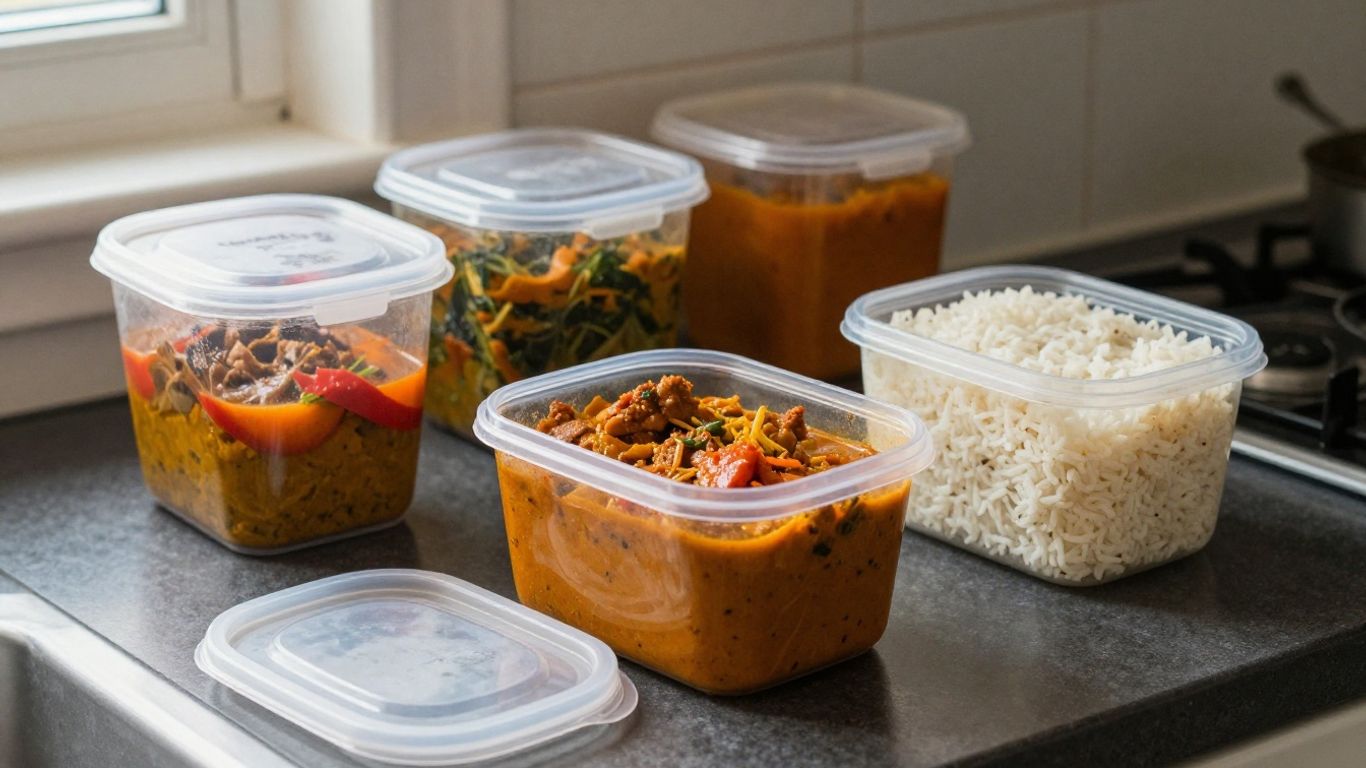
Finding the Edinburgh delivery area by postcode
Enter your Edinburgh postcode wherever the ordering journey asks for it, and check the available delivery information before paying. This is particularly useful for students moving between halls, private flats and placements during the year. A nearby postcode is not a reliable substitute for your own address.
If you are ordering from home for a son or daughter, ask them to confirm the full delivery address, including flat number and access instructions. It prevents a parcel being sent to an old term-time address or an unfamiliar building entrance.
Choosing the right student collection or ordering page
Use the page intended for students when that is the route provided, rather than assuming every meal plan has the same selection or format. The Edinburgh student meal delivery page is the relevant online starting point for reviewing student-focused meal boxes and local delivery details.
Read the page as you would a timetable: check what is available, where delivery applies and whether the meal size suits your routine. If you are unsure, it is better to clarify the ordering route before selecting meals.
Selecting meals and checking available delivery details
Once your area is confirmed, look through the dish descriptions and serving information. Note the meals you will actually eat, not only the ones that sound appealing in the moment. Frozen delivery means you have more flexibility after arrival, but the first order still needs to fit your freezer and budget.
Saakshi's Kitchen provides home-cooked Indian meals delivered frozen and ready to reheat. That wording is useful because it sets a clear expectation: these are freezer meals to warm through, not restaurant food arriving ready to eat at the door.
Planning an order around term time and holidays
Term dates can make ordering patterns uneven. You might need a smaller box before travelling home, then a larger order after returning to Edinburgh, while exam periods may call for meals that require very little preparation.
Make a note of university holidays, placement moves and tenancy changes before placing a repeat order. Parents ordering from elsewhere in the UK should also confirm that the student will be at the delivery address on the selected date.
What to expect from home-cooked Indian meals
A good tiffin order is easier to enjoy when you know what kind of meal you are receiving. The focus is on familiar Indian cooking, freezer convenience and portions that work as everyday lunches or dinners. Read the menu carefully, especially if you are trying a dish for the first time.
Familiar curries, rice dishes and regional favourites
Punjabi home cooking often brings together dishes such as rajma chawal, kidney beans with rice; chole, a spiced chickpea dish; kadhi, a yoghurt-based curry; and dal tadka, lentils finished with a tempering of spices. The point is not to chase the hottest curry, but to build a meal with the kind of combinations people recognise from home.
A kitchen-made masala may include onion, tomato, ginger, garlic and blended spices, with a tadka added at the end for dal. Those details help explain why tiffin food can feel different from a restaurant-style order, even when the dish name is familiar.
Frozen delivery and what it means for meal planning
Frozen delivery is a planning advantage rather than a drawback for many students. Meals can go into the freezer when they arrive and wait for a suitable evening, so an unexpected late class does not automatically mean abandoning the meal plan.
Use the storage guidance supplied with the order and avoid overfilling a small freezer. A little organisation—grouping meals by type or writing the dish name where it is easy to see—can stop older portions being forgotten.
Portion choices for lunches, dinners and batch orders
Think about when you eat most. A single portion may suit a late lunch, while several meals can cover a busy run of evening lectures. Shared households may find a larger order convenient, but only if everyone agrees on the dishes and the freezer has room.
The table below is a simple way to match an order with a typical student routine:
| Routine | Useful approach | What to check |
|---|---|---|
| Occasional busy evenings | Order a few individual meals | Serving size and freezer space |
| Regular weekday study | Plan several lunches or dinners | Variety across the week |
| Shared household | Combine individual preferences | Vegetarian and meat choices |
| Exam or placement period | Keep a small reserve | Reheating instructions |
The best choice is the one you can store, schedule and finish without forcing your week around the food. Portion planning is less about ordering the maximum and more about making the meals genuinely useful.
Reviewing ingredients, allergens and meal descriptions
Always read the ingredient and allergen information provided for each dish. If you have an allergy or dietary restriction, do not rely on the dish name or on assumptions about common recipes. Contact the service if the information you need is not clear before ordering.
It is also worth checking the level of spicing and the presence of ingredients such as dairy, nuts or wheat where relevant to you. Careful reading makes trying new dishes much less stressful.
Choosing meals around student preferences and routines
Students do not all eat in the same way, and a useful order leaves room for that. Some people want vegetarian meals most days, while others want a mixture of dal, sabzi and meat dishes. Start with the meals you know you will enjoy, then add one or two unfamiliar choices rather than filling the entire box with experiments.
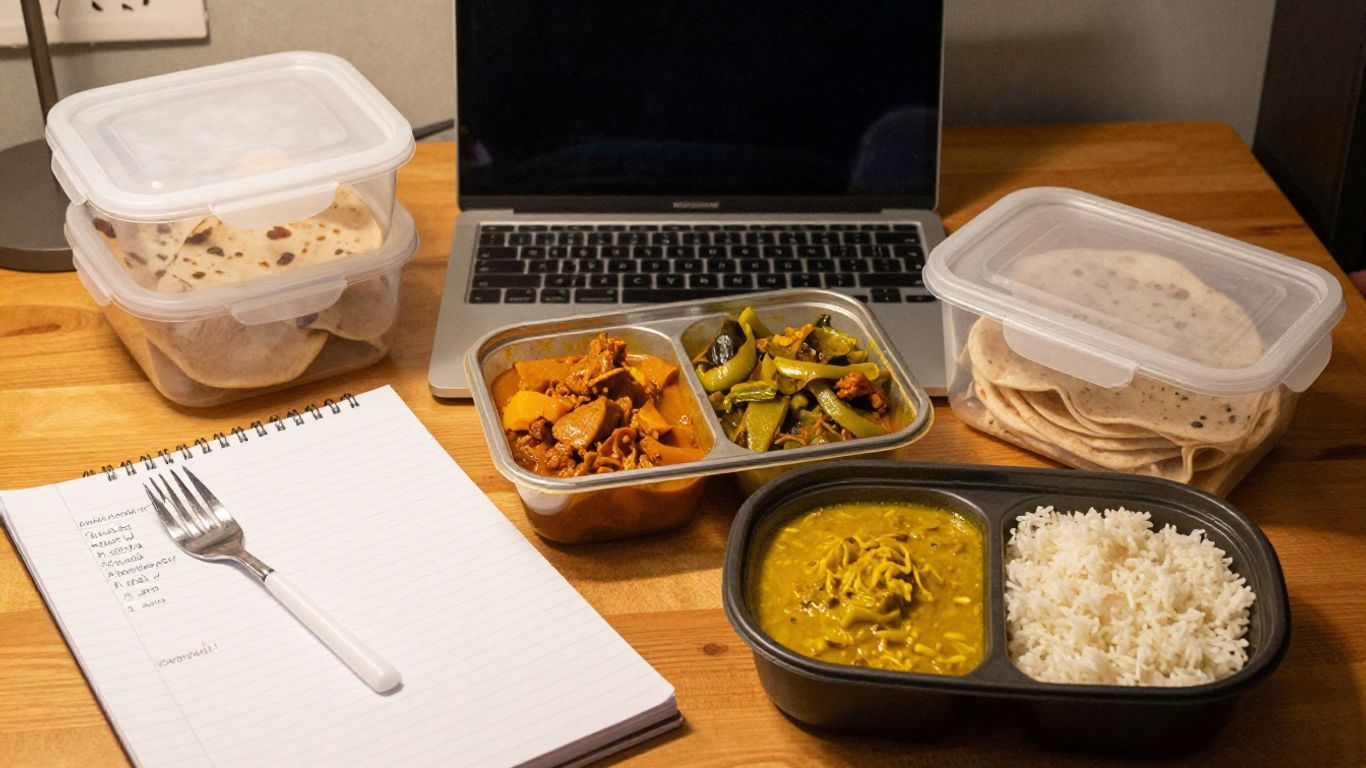
Building a varied weekly meal plan
A simple rotation can prevent meals feeling repetitive. Pair a dal or bean dish with a rice-based meal, add a vegetable option, and keep a favourite for the busiest evening. You can also plan around your timetable: lighter preparation on lecture-heavy days and more choice when you have time to sit down.
A weekly plan does not need to be rigid. It is a short list of possible meals that makes the freezer easier to use and reduces the temptation to order something at random every night.
Selecting vegetarian dishes and meals with meat
Look for clear vegetarian labelling and decide how often you want meat in the week. A mixed order can work well in a flat where everyone has different preferences, provided each meal is clearly identified when it arrives.
Kitchen-cooked meats from Saakshi's Kitchen are halal. If halal food is essential for you, check the individual dish description and current menu information as part of ordering rather than guessing from the photograph.
Understanding halal meat options
The phrase “halal meat” should be read alongside the menu details, since not every meal will contain meat. Students may choose a vegetarian dish on one day and a meat curry on another, depending on preference and availability.
If you are ordering for someone else, ask which dishes they want rather than selecting on their behalf. That keeps the box practical and avoids sending meals that do not match their usual choices.
Checking dishes carefully for allergens or dietary restrictions
Dietary needs deserve a separate check before payment. Review the allergen labelling for every selected dish, including dishes you have ordered before, because menus and recipes can change. For a serious allergy, seek direct confirmation from the service.
Keep the packaging or meal labels until you have eaten the dish. It makes it easier to identify portions in the freezer and to refer back to the information if you have questions.
Reheating and storing your delivered meals
The freezer is central to the tiffin routine, so make space before the delivery arrives. Have a shelf or drawer ready and check that the packaging is intact. The aim is simple: store meals promptly, follow the supplied directions and only heat what you plan to eat.
Moving meals into the freezer when they arrive
Put the meals into the freezer according to the delivery guidance, rather than leaving the whole box on a kitchen counter while you unpack everything else. If you share a flat, label your portions immediately so they do not disappear into an anonymous stack.
Arrange meals so the oldest portions are easiest to reach. This small habit helps you use what you have already ordered and keeps the freezer from becoming a forgotten pile.
Following the cooking and reheating instructions
Read the instructions on the packaging before choosing a microwave setting or cooking time. Different containers and dishes may need different handling, and the meal should be heated through before serving.
Do not treat an approximate time from another dish as a universal rule. The supplied instructions are the sensible reference point, particularly when you are reheating a meal for the first time.
Defrosting meals safely before serving
Some meals may be reheated from frozen, while others may require defrosting first. Follow the directions for that particular portion and allow enough time if you need to move it into the fridge beforehand.
Avoid repeatedly thawing and refreezing food. If your plans change, keep the meal stored as directed and choose another portion that fits the evening instead.
Planning leftovers and avoiding unnecessary food waste
Serve only the amount you expect to eat, especially when sharing a larger meal. If you do have leftovers, cool and store them according to standard food-safety guidance, then use them promptly rather than leaving them at the back of the fridge.
A short freezer inventory can help. List the meals you have, mark the ones you have opened and plan one or two “use what is there” evenings each week.
Managing the cost of student meal delivery
The cost of a tiffin order makes more sense when you compare it with the whole routine around eating. A takeaway may seem convenient as a one-off, while several unplanned orders across a week can quietly become a large expense. Tiffin delivery is most useful when it gives you a predictable set of meals you would otherwise need to shop for or replace at short notice.
Comparing tiffin meals with takeaway spending
Write down how often you currently order takeaway during a typical study week, including delivery fees and add-ons. Then compare that pattern with the price of the meals, delivery and any ingredients you would still need to buy.
The comparison is not simply about finding the lowest single meal price. It is about whether the order reduces last-minute spending while giving you food you are happy to eat.
Working out a weekly food budget
Set a weekly amount for delivered meals before browsing the menu. Decide how many meals that budget should cover and leave room for groceries, snacks and meals eaten on campus.
A practical budget can include three categories:
- Regular tiffin meals for planned lunches or dinners.
- Groceries for breakfast, snacks and simple meals.
- Occasional meals bought while out or travelling.
This approach keeps delivery in its proper place. It is one part of a student food budget, not a replacement for every other kind of meal.
Combining individual meals with larger orders
Individual meals are useful when your schedule changes or your freezer is small. Larger orders may suit students who know their routine, share storage with housemates or want to reduce the number of ordering occasions.
Start with an order size you can manage. After one delivery, you will have a better idea of which dishes you eat first, which portions suit you and how much freezer space is realistic.
Checking delivery charges, offers and order minimums
Review delivery charges, order minimums and any current offers at checkout. These details can change, and the final basket total is more useful than a headline price viewed in isolation.
If a threshold affects delivery cost, do not add meals you will not eat simply to reach it. A smaller, well-used order is often more sensible than a larger one that creates waste.
Making Indian food delivery work during university life
The most successful meal routine is usually the one that asks very little of you on a busy day. Delivery timing, freezer space and household communication matter just as much as the menu. With a little planning, home-cooked Indian meals can sit comfortably alongside an unpredictable university timetable.
Ordering around lectures, placements and part-time work
Look at your week before ordering and identify the evenings when cooking is least realistic. A late seminar, hospital placement or closing shift may be the right reason to keep a meal ready in the freezer.
Saakshi's Kitchen positions its frozen meals as ready to reheat, which suits students who need food available at a time that does not always match a standard dinner hour. Check delivery information early enough that the order arrives before the busiest part of your week.
Coordinating deliveries with housemates
Tell housemates when a delivery is expected and decide where the meals will go. If several people are ordering together, keep each person’s portions grouped or labelled from the beginning.
This is especially helpful in shared accommodation where freezer space is limited. A quick message in the house chat can prevent confusion and make collection easier if someone is out.
Arranging meals when parents are ordering from the UK
Parents can help by ordering around the student’s actual address and timetable, rather than assuming the term-time arrangement has stayed the same. Confirm the postcode, flat number and a date when the student will be available to receive the delivery.
It can also help to ask the student for a short list of preferred dishes. A parcel chosen with their routine in mind is more likely to become part of the week instead of sitting untouched.
Using repeat orders to simplify busy study weeks
Once you know which meals suit you, repeating a small, reliable order can reduce planning. Keep some variety in the rotation, but do not feel obliged to choose a completely new menu every time.
Review the arrangement after a few weeks. If meals are running out too quickly, adjust the quantity; if portions are being forgotten, order less. The aim is a routine that feels easy to maintain.
Conclusion
For students in Edinburgh, an Indian tiffin service can bring familiar home-cooked meals into a busy week without requiring daily preparation. Check the postcode, read the meal information, plan freezer space and order an amount that suits your timetable and budget. With those basics in place, frozen tiffin meals can become a dependable part of university life.
Frequently Asked Questions
What is an Indian tiffin service?
An Indian tiffin service provides prepared meals in individual portions or meal boxes, usually for reheating at home. It is designed around regular meals rather than a single restaurant visit.
Can students order tiffin meals for one person?
Yes, many services offer individual portions or smaller boxes. Check the serving information and select an amount that fits your freezer, appetite and weekly routine.
Are tiffin meals delivered frozen?
Many tiffin services use frozen delivery so meals can be stored and reheated later. Always follow the storage and reheating guidance supplied with your order.
How should students plan meals around lectures?
Identify the days when your timetable is busiest and keep suitable meals available for those evenings. A flexible freezer selection is often easier to manage than a rigid day-by-day plan.
Are vegetarian tiffin meals available?
Vegetarian choices are commonly available, but the exact selection depends on the menu. Read the dish descriptions carefully and check how each meal is labelled before ordering.
How can students check allergens?
Review the ingredient and allergen information for every dish. If you have a serious allergy or the information is unclear, contact the service before placing an order.
Is tiffin delivery cheaper than takeaway?
It depends on the portion price, delivery charge, order size and how often you would otherwise buy takeaway. Comparing a full week of spending gives a more useful answer than comparing one meal alone.
Order home-cooked Indian meals from Saakshi's Kitchen · UK delivery locations.
Students: 15% off every order over £40
Verify once with Student Beans and 15% comes off every one-off order over £40 at checkout, for as long as you are studying. First order? Use FIRST20 for 20% off instead. One code per order, so the two do not stack.
Get the student discount → · Student meal boxes for students in Edinburgh