

Indian Tiffin Service for Students in Durham | Home-Cooked Delivery | Saakshi's Kitchen
Saakshi's Kitchen EditorialKey Takeaways
For students in Durham, a frozen tiffin box can make weekday meals feel more settled and familiar. It gives you food to reheat around university life, without turning every evening into a takeaway decision.
- Home-cooked Indian meals can fit around lectures, placements and late study sessions.
- Frozen portions are practical for student kitchens and shared accommodation.
- Ghar ka khana brings the comfort of familiar Punjabi family cooking.
- Students can choose individual meals or plan a larger delivery.
- Parents can order meals for students living away from home.
Why students in Durham choose an Indian tiffin service
University life rarely follows a neat Monday-to-Friday pattern. There may be an early seminar, a long library session, a part-time shift and an almost empty fridge, all in the same week. An Indian tiffin service offers a straightforward way to keep proper meals nearby, with the flexibility to eat when your timetable allows.
A practical alternative to takeaway meals
Takeaway food has its place, but ordering it repeatedly can become expensive and oddly impersonal. Tiffin meals are planned as individual portions rather than sharing platters, so you can heat one meal when you need it and keep the rest for another day. For a student looking for proper weekday food, that small difference changes the rhythm of the week.
The idea is simple: restaurant Indian is celebration food; ghar ka khana is Tuesday night. A meal such as dal tadka, rajma chawal or kadhi can feel more suited to an ordinary evening than a large restaurant order.
Familiar ghar ka khana for busy university routines
Ghar ka khana means the food associated with home: a dal finished with tadka, rice that belongs beside it, or a sabzi seasoned with jeera and garam masala. Punjabi home cooking is often about a dependable pantry and familiar methods rather than elaborate presentation. That makes it especially comforting when a student is settling into a new city.
The flavour can be spiced without being built around heat. Dishes such as rajma, chole and baingan bharta bring variety while still feeling like food someone might cook for the family on a normal weeknight.
Meal delivery for term-time schedules and shared accommodation
A student household may include people with different timetables, dietary preferences and approaches to cooking. Frozen meals allow each person to choose their own portion and timing, without expecting the whole kitchen to eat together. They can also be useful during busy stretches of term, when planning tomorrow’s dinner is harder than it sounds.
Shared accommodation calls for a little practical thinking. A delivery can be divided between freezer space, labelled clearly and used gradually, rather than taking over the fridge with ingredients that may not be cooked before the next deadline.
What makes tiffin delivery different from restaurant ordering
Restaurant ordering usually begins with a craving and ends with one immediate meal. Tiffin delivery starts with a little planning: selecting meals, deciding how many portions will work and making space for them at home. The result is less about a single evening and more about having a small store of familiar food available.
For students comparing local options, it can help to consider the wider range of Durham food options, then ask a more specific question: do you want an occasional restaurant meal, or food designed to sit sensibly within a university routine?
How Indian food delivery for students in Durham works
Ordering Indian food for students in Durham is easiest when the practical details are checked first. Postcode coverage, delivery timing, portion quantities and freezer capacity all matter more than an attractive menu alone. Once those points are clear, a one-off box or a regular routine can be chosen with less guesswork.
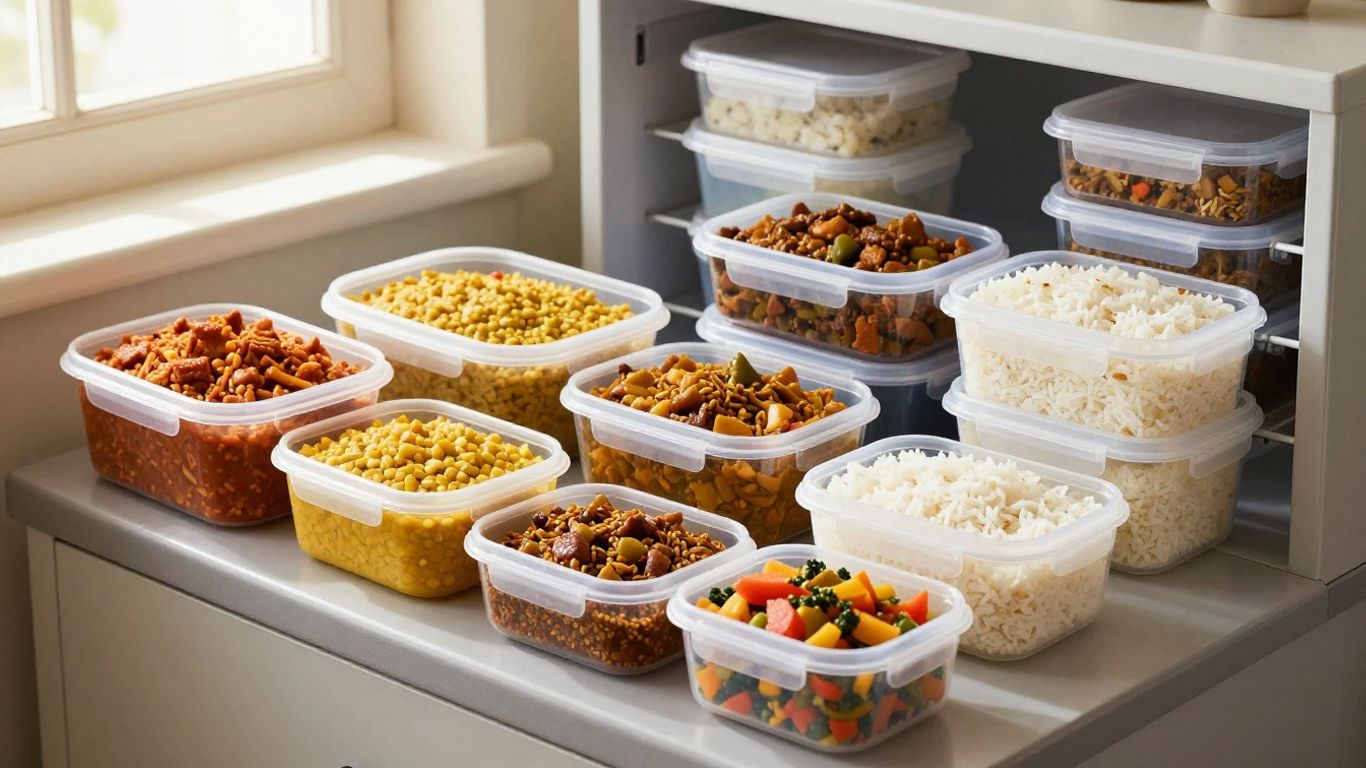
Check your Durham postcode and delivery availability
Start with the student’s full Durham postcode rather than assuming that every nearby area follows the same delivery schedule. Delivery availability and days can vary by location, so checking before browsing too deeply avoids choosing meals for an address that cannot receive them. The Durham collection provides a useful starting point for that check through Saakshi's Kitchen.
If a parent is ordering from another part of the UK, it is worth confirming the student’s address, building name and any reception instructions. University accommodation can have several entrances, and a complete delivery note saves time for everyone.
Browse student meal options on the Saakshi's Kitchen website
The menu should be read as a set of home-cooked meals rather than a restaurant list. Look for combinations that will work across several days: dal with rice, a sabzi with roti, or a curry that can be paired with something already in the cupboard. A rotating choice can keep the freezer from feeling repetitive.
Students may also want to think about how much cooking they actually enjoy. Some will prefer a selection of complete meals, while others may want to mix portions and build different combinations through the week.
Choose meals, quantities and delivery preferences
A sensible first order is usually based on real habits, not an idealised timetable. Count the evenings when you expect to cook, eat on campus or go out, then order around the gaps. If you are unsure, starting with individual meals makes it easier to learn what suits your appetite and storage space.
Before paying, check the number of portions, the delivery address and any available ordering preferences. It is also useful to consider whether the box is for one student, a pair of housemates or a parent-funded care package.
Receive frozen meals ready to reheat
Meals arrive frozen and ready to reheat, so the first job is to put them away rather than leave them on a shared kitchen counter. Keep the packaging with each portion until you have checked the instructions and any ingredient information. This simple habit makes busy evenings much less fiddly.
A small freezer plan helps. Put meals you expect to use soon towards the front, and keep later portions together so that the box remains easy to navigate.
What to expect from Saakshi's Kitchen meals
The food is rooted in Punjabi home cooking and the everyday dishes associated with a family kitchen. The aim is not to recreate a restaurant platter, but to provide complete meals that make sense on an ordinary evening. That includes familiar combinations of sabzi, dal, roti or rice, with seasoning intended to be spiced rather than dominated by heat.
Home-cooked Indian dishes prepared in a Brighton kitchen
Home-cooked Indian meals are prepared in a Brighton kitchen, using the kind of pantry language many families recognise: onion, tomato, ginger, garlic, haldi, jeera, dhania and garam masala. The masala is built from scratch in each batch, with the onion and tomato cooked properly before the rest of the dish comes together. Dal is finished with a real tadka at the end.
That method gives the meals a particular sense of sequence and familiarity. A curry is not treated as one generic sauce; the spices and cooking steps are part of the dish itself.
Vegetarian options and kitchen-cooked halal meats
There are vegetarian choices for students who prefer meals without meat, alongside kitchen-cooked meats that are halal. Dietary information should still be read for each individual dish, especially where a student has an allergy or needs to avoid a particular ingredient.
It can be helpful to choose a mixture rather than ordering every portion in the same style. A vegetarian dal or seasonal sabzi can sit alongside a meat dish, giving the week a little more range without making the order complicated.
Portion choices for individual student meals
Student meals need to work for one person at a time. Individual portions make it possible to eat according to your own schedule, whether that means dinner after a seminar or something kept for a late return from the library. They also reduce the pressure to finish a large shared order in one sitting.
When deciding quantities, consider what will accompany the meal. Rice or roti may already be available in the accommodation, while another student may prefer a more complete portion that needs little added to it.
How menus may suit changing tastes and routines
University routines change quickly. A student might cook more during a quiet week, then rely on reheatable meals during exams or placement periods. A mix of dishes and portion choices allows the freezer to support those changes without requiring a fixed menu every night.
It is worth keeping a note of favourites and dishes that were less useful. That makes the next order more personal, particularly when a parent is arranging food from a distance.
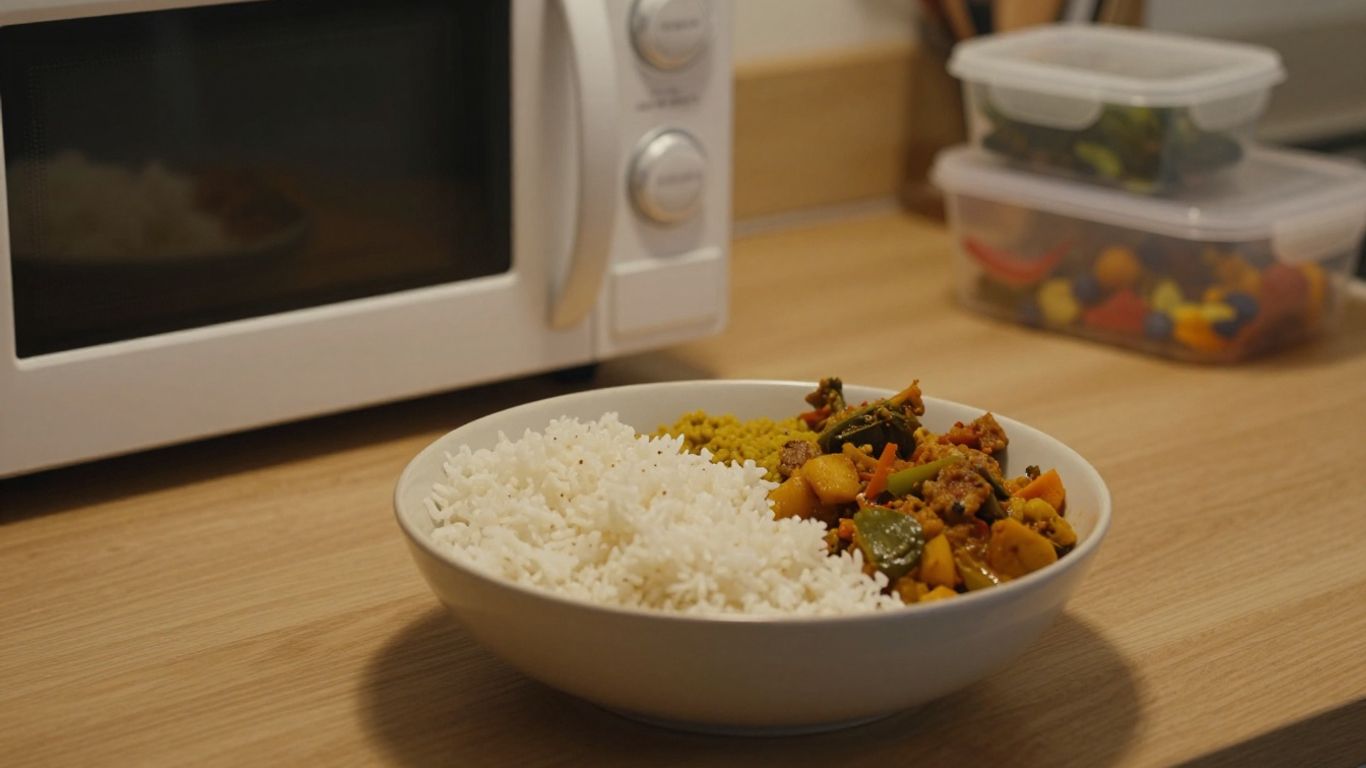
Reheating and storing student tiffin meals
Frozen food works best when it is treated as part of a small routine. Read the instructions for the particular meal, allow enough time for heating and use suitable cookware where required. In a shared student kitchen, a little organisation prevents forgotten portions and last-minute confusion.
Following the reheating instructions for each meal
Different dishes can need different reheating times, so the instructions on the packaging should guide the process. Check that the centre is hot before serving, and take care when handling containers or steam. Rushing the final minute is rarely worthwhile.
Set the meal out with whatever accompaniment you have chosen, such as rice, roti or a simple salad. The result feels more like a proper dinner when it is plated rather than eaten straight from the container.
Planning meals around lectures, study and placements
A weekly plan does not need to be complicated. Look at the timetable on Sunday or Monday and identify the evenings when cooking is least realistic. Those are the days when a frozen tiffin meal can be most useful.
A simple sequence might look like this:
- Keep one or two meals accessible for late finishes.
- Pair heavier study days with dishes that need minimal preparation.
- Leave flexible portions for changes to lectures or shifts.
- Use a quieter evening to review what remains in the freezer.
This approach keeps the food connected to real life rather than turning meal planning into another university assignment.
Storing frozen meals safely in student accommodation
Use the freezer as soon as practical after delivery and follow the storage guidance supplied with the meals. Keep portions sealed, avoid overloading drawers and check that the appliance is operating properly. If the accommodation has a shared freezer, agree a clear shelf or box with housemates.
Do not refreeze a portion once it has thawed. When in doubt about storage, packaging or reheating, check the supplied information before eating it.
Managing freezer space in shared kitchens
Freezer space is often the limiting factor in student accommodation. Before ordering, measure the available room in broad terms and clear out abandoned items. Flat containers and a simple first-in, first-out arrangement can make more space without requiring a new appliance.
A useful table for planning is below. It is not a rulebook, just a way to match the order to the week in front of you.
| Student routine | Useful approach | Storage thought |
|---|---|---|
| Regular evening timetable | Keep a small weekly selection | Group meals by day |
| Long library sessions | Prioritise quick-to-reheat portions | Place them near the front |
| Placement or shift work | Choose flexible individual meals | Leave room for changes |
| Shared accommodation | Agree freezer shelves in advance | Label portions clearly |
The best plan is the one that leaves enough room for the food to remain visible and easy to use. A freezer full of forgotten containers is not a successful system.
Choosing the right student meal plan
There is no single correct amount of food for every student. Some cook several times a week; others spend most evenings on campus or share meals with housemates. Starting modestly and observing what actually gets eaten is usually more useful than committing to a large routine immediately.
Ordering individual meals before committing to a routine
A one-off order can help a student understand portion sizes, preferred dishes and how much freezer room is available. It also gives them a chance to test the reheating process in their own accommodation. That experience is more reliable than guessing from a timetable written before term begins.
Once the pattern is clear, a student can decide whether a regular delivery would genuinely make life easier. The plan should support their routine, not create another obligation.
Comparing meal quantities with your weekly schedule
Count meals rather than days. A student who cooks on three evenings and eats elsewhere on two may need a smaller box than someone who is rarely in the kitchen. Leave room for plans, society dinners and the occasional meal with friends.
It can help to compare the order against four ordinary questions: how often will you be home, how much freezer space do you have, what can you reheat confidently and which dishes will you actually look forward to eating?
Coordinating deliveries around term dates and holidays
Term dates should be part of the ordering conversation, especially around reading weeks and university holidays. Avoid sending a large delivery just before a student leaves Durham for several weeks. Instead, check when they will be back and whether someone can safely receive the box.
Parents may also need to account for a change of accommodation between academic years. Keeping the address and postcode current is a small detail, but it prevents a carefully planned delivery from going to the wrong place.
Using delivery for personal meals or care packages from parents
A box can be ordered by the student for themselves, or arranged by a parent as a practical care package. In both cases, the most useful choice is one that reflects the student’s actual week. Favourite dishes, manageable portions and clear delivery details matter more than ordering an impressive quantity.
There is something quietly reassuring about knowing a familiar meal is waiting in the freezer. It is a small connection to home, without requiring the student to pause university life or cook from scratch every night.
Why parents can rely on a student meal delivery service
Parents often want to help without adding pressure. Sending a selection of home-cooked Indian meals is one way to offer everyday care from a distance, particularly when a student is still finding their feet in a new city. The practical details remain important, but the emotional value is often in the familiarity of the food.
Sending familiar Indian meals to students away from home
A student may not need a grand parcel; they may simply appreciate dal, rice, rajma or a familiar sabzi on a difficult Tuesday. Food connected with family routines can make rented accommodation feel a little less temporary. It also gives parents a way to say “khaana khaya?” without sending a long list of advice.
Choose dishes the student already enjoys, and consider how much preparation they are likely to manage after a full day. Familiarity should make the meal easier, not introduce another decision.
Understanding the ordering process from another UK location
Parents ordering from elsewhere in the UK should have the student’s exact address, postcode and accommodation instructions ready. It is sensible to tell the student when delivery is expected, particularly if the building has reception hours or a communal entrance.
The student should also know how much freezer space is available. A well-timed smaller box is more useful than a larger delivery that arrives when they are away.
Checking ingredients and dietary information before ordering
Read the information provided for each dish before selecting meals. This matters for allergies, personal preferences and any ingredients the student has chosen to avoid. If the details are unclear, ask for clarification before placing the order rather than relying on assumptions about a familiar recipe.
The same care applies to vegetarian choices and kitchen-cooked halal meats. Individual dish information is the right place to confirm what is included in a particular meal.
Saakshi's Kitchen’s established meal-delivery experience
An established meal-delivery service should make the basics clear: where meals are prepared, how they arrive and what the customer needs to do next. Saakshi's Kitchen has recorded 16,000+ deliveries, a 4.6★ rating from 800+ verified reviews and an FSA 5-star Brighton kitchen. These figures describe the service’s established experience, not a promise about one individual order.
For a parent, clarity is part of reassurance. Frozen meals, readable instructions and a delivery plan that matches the student’s address make the whole arrangement easier to manage.
Conclusion
Indian food delivery for students Durham can be a practical way to keep familiar ghar ka khana within reach during a busy term. With frozen portions, sensible storage and a plan shaped around the student’s real routine, meals become one less decision to carry through the week.
Frequently Asked Questions
Is an Indian tiffin service suitable for university students?
Yes. Individual frozen meals can suit students who have changing timetables, limited cooking time or shared accommodation, provided they have suitable freezer space.
What does ghar ka khana mean?
Ghar ka khana means home-style food associated with everyday family cooking. It often includes familiar dishes such as dal, rajma, chole, rice, roti and seasonal sabzi.
Should students order a large box straight away?
Not necessarily. A smaller or individual order can help a student understand portion preferences, storage limits and how many meals they use in a typical week.
How should frozen tiffin meals be stored?
Put them into the freezer as soon as practical and follow the storage instructions supplied with the meals. Keep portions sealed and organised so they can be found easily.
Can parents order meals for a student in Durham?
Yes, parents can arrange a delivery, but they should confirm the student’s complete address, postcode, accommodation instructions and available freezer space first.
Are vegetarian meals available from an Indian tiffin service?
Many tiffin services offer vegetarian meals. Read the information for each dish carefully if a student needs to avoid particular ingredients or has an allergy.
How can students fit tiffin meals around lectures?
Students can identify the busiest evenings in their timetable, keep suitable portions accessible and reheat meals according to the supplied instructions when they return home.
Order home-cooked Indian meals from Saakshi's Kitchen · UK delivery locations.
Students: 15% off every order over £40
Verify once with Student Beans and 15% comes off every one-off order over £40 at checkout, for as long as you are studying. First order? Use FIRST20 for 20% off instead. One code per order, so the two do not stack.
Get the student discount → · Student meal boxes for students in Durham