

Indian food gift card UK: How to choose a thoughtful meal gift
Saakshi's Kitchen EditorialKey Takeaways
An Indian food gift card UK shoppers can send is most thoughtful when it fits the recipient’s tastes, routine and kitchen space.
- Choose between a restaurant experience and meals delivered to the recipient’s home.
- Check the voucher format, expiry, delivery area and redemption terms before buying.
- Look for clear menus, ingredient information, portion guidance and reheating instructions.
- Match the gift to the recipient’s household, schedule and familiarity with Indian dishes.
- A personal message and sensible delivery date can make a practical present feel intimate.
What makes an Indian food gift card a good present
Food is a generous gift without becoming another object to store. An Indian food gift card can offer a meal, an evening out or a freezer-friendly supply of dinners, depending on the service. The best choice reflects how the recipient actually eats rather than how impressive the gift looks at checkout.
A practical alternative to traditional gifts
Flowers fade and many presents are chosen in a hurry. A food gift gives the recipient something to look forward to, while still leaving them some control over what they order. That flexibility is especially useful when you are buying for someone whose preferences or schedule you know only broadly.
A good card should feel personal without requiring you to guess every dish. Consider whether the recipient would enjoy sitting down for a meal somewhere, or whether having dinner waiting at home would be more welcome after a long day.
Choosing between restaurant dining and meal delivery
Restaurant vouchers suit someone who enjoys dressing up, booking a table and making an occasion of dinner. Meal delivery suits a quieter rhythm: choosing a dish online, keeping it at home and reheating it when the timing works. For a useful comparison point, you can browse these restaurant dining vouchers, then ask whether the recipient prefers an outing or a stocked freezer.
The distinction is not about which option is more special. It is about where the pleasure happens: at a table outside the home, or in the familiar comfort of the recipient’s own kitchen.
Matching the gift to the recipient’s routine
Think about the week the recipient is likely to have. A parent managing the school run may value meals that can be served without a lengthy preparation; a professional may prefer several portions to keep for busy evenings. Someone living alone may appreciate smaller quantities and the ability to choose one meal at a time.
The recipient’s routine matters most when selecting the value. A card that fits their ordering habits will usually feel more considerate than a larger gift with awkward terms or unsuitable delivery arrangements.
When a food gift works best for families, professionals and students
Families often need food that works for more than one appetite, while professionals may want reliable weekday options. UK university students can value a reminder of home, particularly during a demanding term or around the September intake. The gift becomes more meaningful when it answers a real moment: a birthday, a house move, a difficult week or simply a message saying, “khaana khaya?”
If you are sending to a student, check their accommodation rules and whether they have freezer space. For a household, ask yourself whether the gift covers one dinner or gives them enough choice for several occasions.
How Indian food gift cards work in the UK
Gift cards vary more than their simple appearance suggests. Some arrive by email, some are posted, and others are applied as credit to an online account. Before sending an Indian food gift card UK recipients can use easily, read the practical terms as carefully as the menu.
Digital codes, printed vouchers and account credit
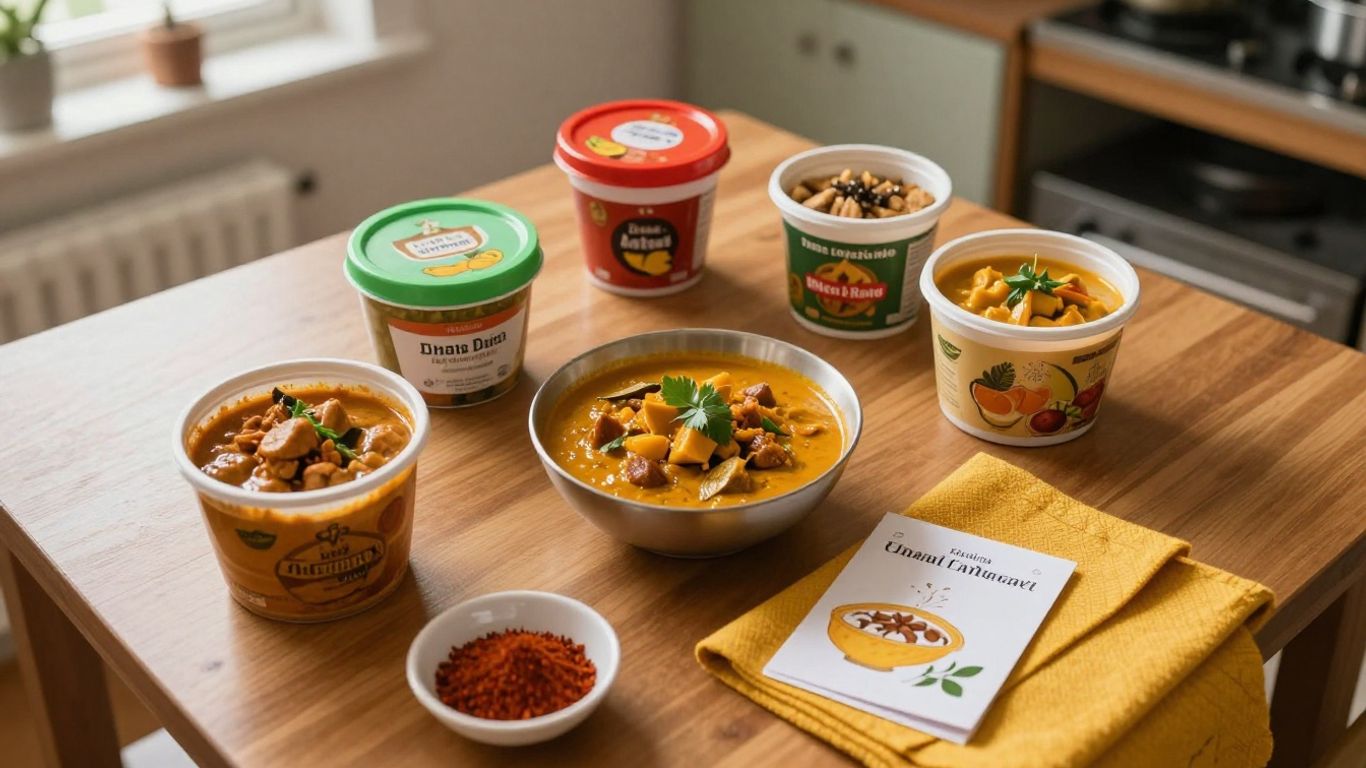
A digital code is convenient when the gift is needed quickly, while a printed voucher may feel more tangible for a birthday or family celebration. Account credit can be straightforward, but the recipient may need to create an account before ordering. Check how the card is delivered and whether the recipient needs a separate code, email address or login.
The Indian food gift cards page describes instant email delivery, personal messages, different denominations and cards that do not expire. Those details can make a last-minute present easier to organise, but always check the current terms at the point of purchase.
Gift amounts, expiry dates and redemption rules
Start with the likely order rather than choosing a number at random. A small card might cover part of an order, while a larger amount may give the recipient room to select several meals. Look for expiry dates, minimum spends, excluded products, one-use restrictions and whether unused value remains available.
The recipient should know how to redeem the card without having to contact the sender. If the rules are clear, the gift feels generous; if they are hidden, even a well-chosen voucher can become frustrating.
Delivery areas, ordering windows and delivery charges
A voucher is only useful if the service reaches the recipient’s postcode. Check mainland or regional coverage, available delivery days, ordering cut-offs and any delivery charge before you complete the purchase. If the recipient lives in student accommodation or a flat, confirm whether there is a safe handover arrangement.
Delivery timing also affects freezer space. A recipient may welcome the food but have nowhere to store it that week, so a little advance planning can prevent an avoidable problem.
What happens if the recipient spends more or less than the gift value
Many people prefer a card that can contribute towards a larger order, but the checkout rules matter. Find out whether the recipient can pay the difference, whether unused credit carries forward and whether change is given. These details are particularly relevant when the gift value does not match a standard meal box.
A flexible arrangement lets the recipient choose according to household size and appetite. It also avoids pressure to add unwanted items simply to use the full value in one transaction.
What to look for in an Indian food gift service
A thoughtful gift depends on more than a polished voucher page. The food itself needs to suit the person receiving it, and the service should explain what arrives, how it is stored and how it is prepared. Clear information is part of the gift because it gives the recipient confidence from the first order.
Menu variety and regional dishes
Look for a menu with enough range to suit different tastes, but not so much choice that ordering becomes a chore. Regional dishes can make the gift feel more distinctive: rajma chawal brings kidney beans with rice, while kadhi offers a familiar yoghurt-based Punjabi comfort dish. A menu built around everyday cooking may be more useful than one focused only on restaurant-style specialities.
Check whether the menu changes and whether the recipient can choose individual dishes or a set box. Familiar favourites are a safe starting point, while a less familiar dish can add a gentle invitation to explore.
Frozen meals, storage and reheating instructions
Frozen delivery can work well for a gift because the recipient does not have to eat everything on one particular evening. The service should state how long meals can be stored, how they should be handled after delivery and what reheating method to use. Look for instructions that are easy to follow, not assumptions that everyone cooks in the same way.
Reheating guidance should also make clear whether packaging is suitable for the microwave or whether the food needs to be transferred to another container. Small details like these matter when the recipient is tired or unfamiliar with the service.
Ingredient, allergen and dietary information
Read the menu and product labels before choosing. Ingredient and allergen information helps the recipient make their own decision, especially where a household has strong preferences or needs to avoid particular ingredients. Vegetarian and pure-veg options may also be relevant, but do not assume a dish fits a dietary requirement without checking its listing.
This is one area where a message to the recipient can help. You can say what you had in mind while leaving them the final say over what they order.
Portion sizes and options for individual or family orders
Portion descriptions should explain whether a dish is intended for one person, several people or part of a wider meal. A complete plate might combine a curry or sabzi with dal, roti or rice, whereas another listing may describe only one component. The distinction makes budgeting much easier.
Use this simple guide when comparing a service’s menu information:
- One-person portions for solo dinners or student accommodation.
- Several portions for couples planning a few relaxed evenings.
- Family quantities for shared meals and mixed appetites.
- Individual sides for building a broader meal around familiar dishes.
Once portions are clear, the gift value becomes easier to judge. It is better to give the recipient useful choice than to pay for a quantity they cannot store or finish.
Customer reviews and service reputation
Reviews can reveal whether delivery communication, packaging and customer support match the promises on the site. Look for patterns rather than one glowing or disappointing comment. A service with a consistent record of explaining its process is easier to recommend when you are sending food to someone else.
It is also worth checking how long the business has been operating and whether its contact details and ordering information are easy to find. These are quiet signs of a service that takes the recipient’s experience seriously.
Choosing the right Indian food gift for the recipient
The most successful food gifts begin with a little observation. Does the person cook most evenings, eat at irregular times or share meals with others? Do they miss particular flavours, or would they enjoy trying dishes they have not ordered before?
Gifts for busy professionals and young families
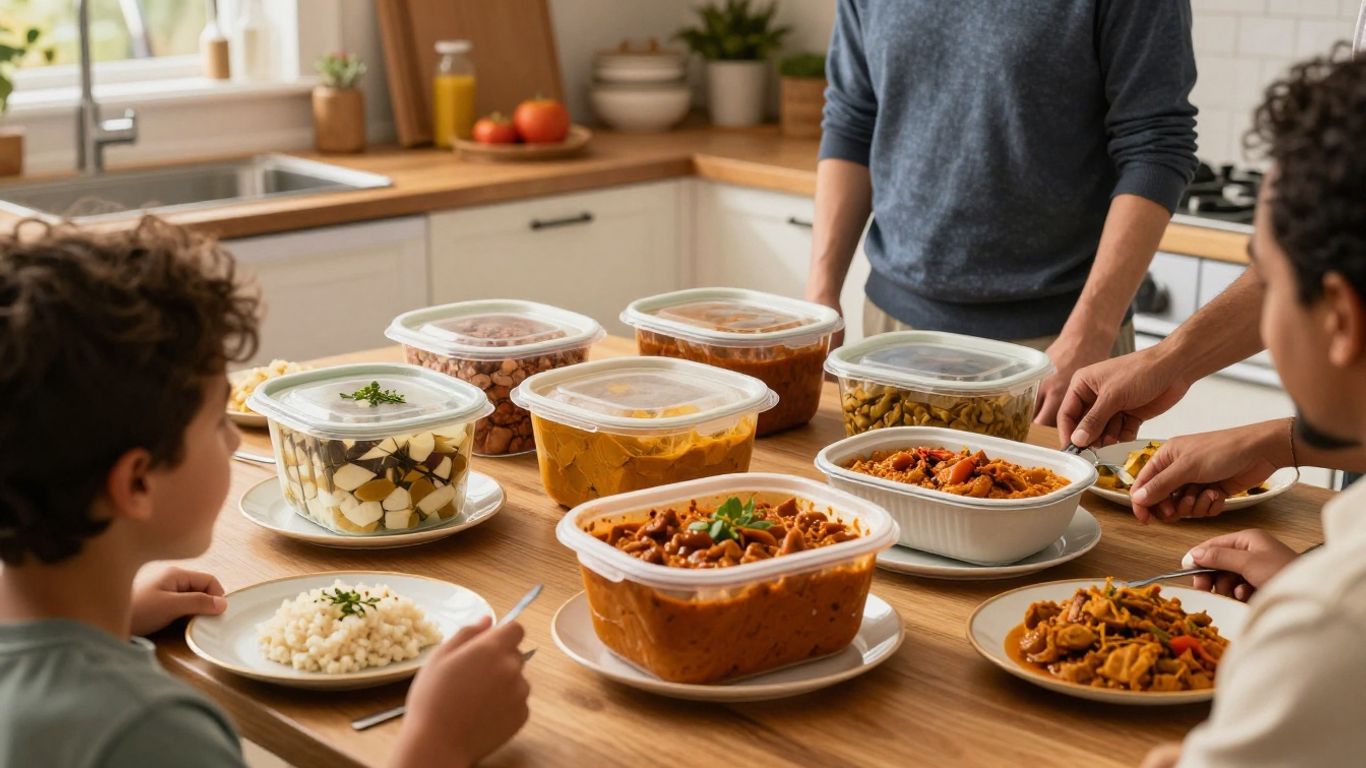
For a busy professional, several freezer-friendly meals can take the strain out of a few weeknights. Young families may prefer a mix of familiar mains and sides that can be served around school and work commitments. In both cases, flexibility is usually more valuable than a complicated dining experience.
Choose a delivery date that does not clash with travel or a packed calendar. If the recipient has limited freezer space, a smaller card may be more practical than a large one-off delivery.
Sending a thoughtful meal to parents or older relatives
When sending food to parents, familiarity often carries the most warmth. Ask whether they prefer milder spicing, softer textures or dishes they already know from family meals. Easy-to-open packaging, clear reheating instructions and a delivery arrangement they understand can be as meaningful as the food itself.
An adult child ordering from a distance may want to confirm the address directly. That removes uncertainty and gives the recipient a chance to mention any ingredients they would rather avoid.
Indian food gifts for UK university students
Students may have limited cooking equipment, shared kitchens and unpredictable timetables. A food card gives them control over when to order, but check whether their accommodation accepts food deliveries and whether they have a freezer. A parent sending the gift can add a short note about home, which makes a practical parcel feel less transactional.
Student-specific ordering pages may use postcode or university details, so the recipient should have the information needed to redeem the gift. Timing around term dates is another small but worthwhile consideration.
Selecting familiar favourites or encouraging menu discovery
There is no need to choose between safety and surprise. You can suggest a familiar dish such as dal tadka or chole, then leave part of the value for something new. This works particularly well when you know the recipient likes Indian food but are unsure which regional flavours they prefer.
A short personal message can explain why you chose the gift without dictating the order. The recipient can then make the final choice at a pace that suits them.
Using an Indian food gift card from Saakshi’s Kitchen
Saakshi’s Kitchen prepares home-cooked Indian meals in a Brighton kitchen and delivers them frozen, ready to reheat. The focus is Punjabi home cooking: the everyday dishes that belong on a Tuesday night, such as dal, rajma, chole and seasonal sabzi. That makes the service a natural fit when you want to send a meal rather than arrange a restaurant occasion.
Home-cooked Indian meals prepared in a Brighton kitchen
The kitchen’s approach is rooted in family cooking, with masala built from onion, tomato, ginger and garlic and spices ground and blended in the kitchen. The menu is designed around meals rather than sharing platters, with dishes such as dal, sabzi, roti and rice available for a homely spread. Kitchen-cooked meats are halal.
The FSA 5-star Brighton kitchen is another detail a sender may wish to review. It gives useful context about where the meals are prepared without turning the gift into a promise about the recipient’s personal results.
How frozen delivery supports flexible meal planning
Because meals arrive frozen and ready to reheat, the recipient can plan around work, study or family commitments. They can order food for a particular week and use portions when convenient, provided they follow the storage instructions. This format is especially helpful when a gift is meant to support ordinary evenings rather than one fixed celebration.
The practical benefit is choice over timing. A meal can stay in the freezer until it fits the household’s plans, rather than creating pressure to serve it immediately.
Checking collection availability and delivery locations
Before buying, confirm the recipient’s postcode and review the available delivery locations. Collection may be relevant for some customers, while others will need a home delivery window. Saakshi’s Kitchen provides city collection pages and a delivery-locations hub, so the sender can check the route before promising a date.
This step is easy to overlook when the buyer lives elsewhere. A quick postcode check is kinder than sending a gift that requires the recipient to solve the logistics themselves.
Reviewing reheating, storage and ordering information
The recipient should be able to find storage and reheating guidance alongside the meal details. Read those instructions before sending, particularly if the person has a small freezer or limited kitchen equipment. It is also sensible to explain that the card is intended to be used online and that the recipient can choose meals within the service’s current menu.
A thoughtful sender might include a note suggesting they look through the menu first. That leaves room for personal preference while making the first order feel straightforward.
How to buy and send an Indian food gift card
Buying the card should take only a few considered decisions. Start with the recipient, then check the service terms, delivery details and message before paying. A calm review at checkout can prevent most gifting mishaps.
Deciding on the gift value
Choose an amount that gives the recipient meaningful choice without assuming the size of their household. A modest value may suit one or two meals, while a larger amount can contribute towards a broader order. If the service offers set denominations, compare them with typical portion sizes and delivery charges.
You can also ask whether the card can be combined with another payment method. That makes it easier for the recipient to order what they genuinely want.
Confirming the recipient’s postcode and delivery preferences
Check the postcode carefully, including the flat number, building name and any delivery notes. Ask whether the recipient prefers a particular day or needs food delivered to a workplace, halls of residence or another safe address. Do this before selecting the date rather than relying on a correction after dispatch.
For older relatives, you may also want to confirm who will be available to receive the parcel. A little coordination helps the gift arrive without creating a puzzle.
Adding a personal message and selecting a delivery date
A short message changes the tone of the present. Mention the occasion, a shared dish or the reason you thought of them, and keep the wording natural. Select a delivery date that gives the recipient enough notice and does not depend on them being home at an unlikely time.
If the card is delivered by email, consider whether the chosen address belongs to the recipient or the buyer. The right address makes the surprise much smoother.
Checking the order before sending the gift
Pause before payment and review the amount, recipient details, email address, message and delivery information. Check the card’s expiry or usage terms, as well as any minimum spend or delivery charge. This is also the moment to ensure that the service covers the recipient’s location.
A final check may feel slightly fussy, but food gifts involve a real address and a real delivery window. Accuracy is part of the kindness.
Helping the recipient redeem and use the card
Once the card arrives, send a brief follow-up explaining what it is and when they can use it. You might offer to help them read the menu, check storage space or place the first order together. Avoid choosing on their behalf unless they have asked you to.
The best Indian food gift card UK shoppers can send combines freedom with care. It gives the recipient a useful meal and the space to make it their own.
Conclusion
An Indian food gift card can be a warm, practical way to send care across the UK, particularly when it matches the recipient’s routine, preferences and available kitchen space. Check the terms, delivery details and meal information first, then add a personal note that makes the gesture unmistakably yours.
Frequently Asked Questions
Is an Indian food gift card a good present in the UK?
Yes, when it suits the recipient’s eating habits and location. It can offer a restaurant visit or flexible meals at home, depending on the service.
What should I check before buying a food gift card?
Check the delivery area, voucher format, expiry date, redemption rules, available denominations and any delivery charges or minimum spends.
Is a digital or printed food voucher better?
A digital voucher is convenient for last-minute gifting, while a printed voucher may feel more tangible. The better choice depends on the occasion and the recipient.
How much should an Indian food gift card be worth?
Choose a value that gives the recipient useful choice without assuming their household size. Comparing typical portions and delivery costs can help you decide.
Can a food gift card be used for frozen meals?
Some services allow gift cards to be used for frozen meals that the recipient stores and reheats later. Always check the individual service’s terms and instructions.
What if the recipient has allergies or dietary preferences?
Review ingredient and allergen information before buying, and let the recipient make the final menu choice where possible. Do not rely on a general dish name alone.
Can I send an Indian food gift to a university student?
Yes, but confirm the student’s postcode, accommodation delivery rules, timetable and freezer access before choosing the gift and delivery date.
Order home-cooked Indian meals from Saakshi's Kitchen · UK delivery locations.