

What to serve with dal: How to build a satisfying Indian meal
Saakshi's Kitchen EditorialKey Takeaways
A satisfying dal meal comes from contrast: soft rice or bread, a vegetable dish, and something cool, sharp or crunchy. The best answer to what to serve with dal depends on the dal’s texture, spice level and the kind of meal you want to put on the table.
- Choose rice, grains or breads that suit the thickness of the dal.
- Add a dry or roasted vegetable dish for colour and texture.
- Use raita, salad, pickles and chutneys to bring contrast.
- Match richer dals with lighter accompaniments.
- Build the plate around how much time and effort you have.
Choose the right rice or grain
Rice is the most familiar partner for dal, but it does not have to be plain or predictable. A soft, fragrant grain gives a loose dal somewhere to go, while a firmer preparation can make the whole plate feel more substantial. Think about whether the dal is brothy, thick, creamy or gently spiced before choosing what sits beside it.
Steamed basmati rice for everyday dal
Steamed basmati rice is the dependable choice for a bowl of dal, particularly when the dal has a pourable consistency. Its long grains stay distinct enough to hold a little sauce, while still making the plate feel soft and comforting. Spoon the dal over one side rather than covering every grain, so each mouthful can be adjusted to taste.
Jeera rice for extra fragrance
Jeera rice adds a warm, toasted aroma without competing with the lentils. Cumin seeds, a little ghee and perhaps a bay leaf are enough to make it feel different from an everyday bowl of rice. It works especially well with a simple dal tadka, where the rice gives the spices room to show themselves.
Khichdi-style pairings for a softer meal
When rice and dal are cooked together, the result is softer and more unified, much like khichdi. This is a good direction for a quiet supper or a meal where you want the texture to do most of the comforting. Keep the accompaniments restrained: yoghurt, a little pickle and perhaps a crisp papad are usually enough.
Alternatives to rice, including millets and quinoa
Millets and quinoa can stand in for rice when you want a different grain on the plate. Cook them plainly, then let the dal provide most of the seasoning. They are particularly useful with thicker dals, since their slightly firmer texture prevents the meal from becoming too soft overall.
Pair dal with Indian breads
Bread changes the rhythm of a dal meal. Instead of spooning everything together, you tear, fold and scoop, which makes even a simple supper feel more hands-on. The right bread depends on whether the dal is thick enough to cling or loose enough to be mopped up.
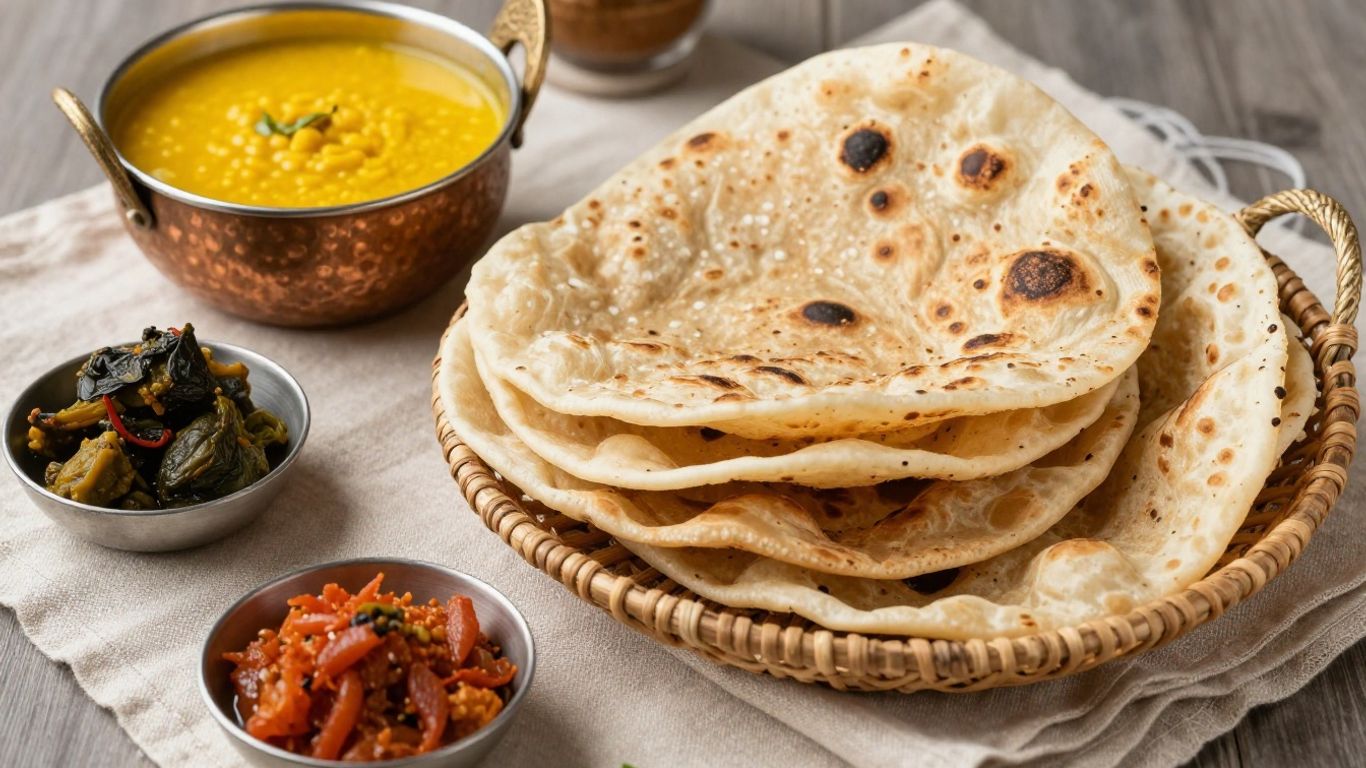
Roti and chapati for thicker dals
Roti and chapati are natural partners for thicker dals, including dals with a coarse texture or a generous tempering of spices. Their plain, lightly toasted flavour lets the lentils remain the centre of the meal. Serve them warm, with a little ghee if you like, and keep a small bowl of dal nearby for dipping.
Naan for creamy or restaurant-style dals
Naan is softer and more substantial, so it suits creamy dals and dishes with a strong finishing tempering. Garlic naan can be enjoyable with a deeply spiced bowl, although plain naan often gives a more even balance. For a broader look at classic pairings, these dal side-dish ideas include several bread options alongside rice and vegetables.
Paratha for a more indulgent combination
A flaky paratha brings richness and texture to the plate. It is a good choice when the dal is mild, because the bread’s browned layers add interest without requiring another heavily spiced dish. Keep the rest of the meal simple with yoghurt, sliced onion or a sharp pickle.
Puri for festive meals and special occasions
Puri makes dal feel celebratory, especially when served with potato sabzi, chutney and something cooling. Its crisp, puffed surface is best eaten straight away, while the dal should be thick enough not to run across the whole plate. A small serving can be plenty, since the combination is wonderfully filling in texture and flavour.
Add vegetable dishes for contrast
Dal is soft by nature, so vegetables are where the plate gains shape and colour. A dry sabzi, roasted tray of vegetables or handful of greens can stop the meal feeling one-note. The aim is not to add every possible side, but to choose one preparation that behaves differently from the dal.
Dry sabzi for texture
A dry sabzi is often the most useful addition because it brings a little chew and a lightly caramelised edge. Cabbage, beans, cauliflower, okra or aubergine can all work, depending on what is available. Keep the seasoning clear rather than making the vegetable dish as saucy as the dal.
Seasonal roasted vegetables
Roasted cauliflower, carrots, squash or peppers bring browned edges and a gentle sweetness. Toss them with cumin, coriander or a pinch of chilli, then roast until tender rather than soft enough to collapse. This kind of side is especially helpful when the dal itself is smooth and creamy.
Aloo-based sides for a hearty plate
Aloo-based sides, from jeera potatoes to a dry potato and pea sabzi, make dal and rice feel like a more generous family meal. Their familiar flavour also works well when several people are eating and not everyone wants the same level of spice. Use them as the substantial vegetable side, rather than adding several potato dishes at once.
Greens and quality vegetable preparations
Spinach, spring greens or lightly cooked cabbage can bring a darker, savoury note to a pale dal. A simple salad of tomato, cucumber and onion does something different, adding crispness without another cooked dish. If the dal already contains greens, choose a raw or roasted vegetable instead.
Bring in quality and punch
The final touches often determine whether a dal plate feels complete. Cool yoghurt, crunchy salad, pickles and chutneys each add a different kind of contrast, from creamy and mild to sharp and hot. Use small portions and let diners add them as they eat.
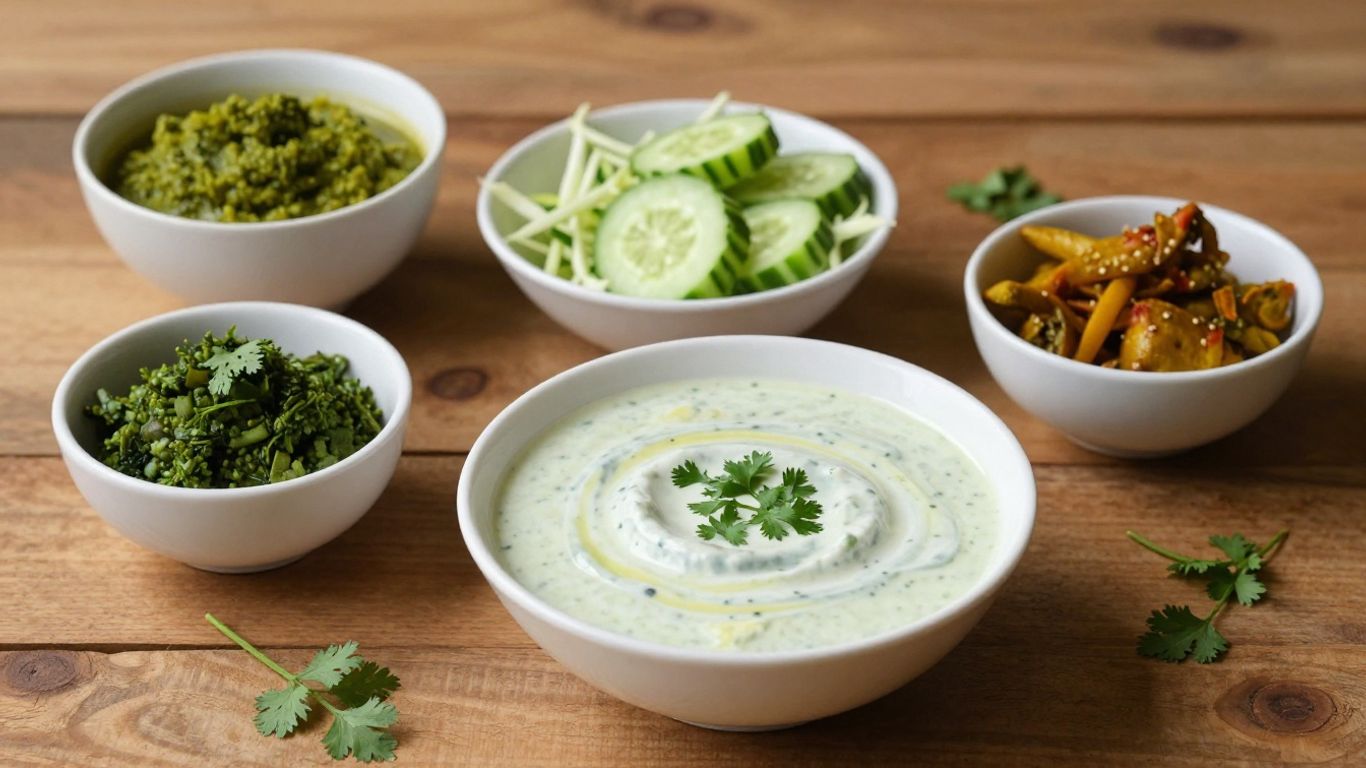
Cucumber raita and yoghurt-based sides
Cucumber raita gives a cool, creamy pause between warmer mouthfuls of dal. Grated cucumber, yoghurt, salt and roasted cumin are enough, though mint can add another layer. A thicker yoghurt side also works with rich dals, particularly when the rest of the plate includes spiced bread.
Kachumber salad for crunch
Kachumber is a simple mixture of chopped cucumber, tomato, onion and herbs, usually finished with lemon and salt. Its appeal is in the cut: keep the pieces small enough to scoop but large enough to remain crunchy. Serve it just before eating so the vegetables retain their bite.
Pickles to add sharpness
Pickle brings salt, sourness and concentrated spice in a very small spoonful. Mango, lime or mixed vegetable pickle can all sit beside dal, though a rich dal usually benefits from the sharpest option. Start with a little; pickle should wake up the plate, not cover its main flavours.
Chutneys for sweetness, heat or tang
A green herb chutney brings heat and acidity, while a tamarind chutney gives sweetness and tang. Coconut chutney can soften a spicier plate with its rounded flavour. If you are serving several people, put two small chutneys on the table rather than mixing them into the dal itself.
Match side dishes to the type of dal
There is no single answer to what to serve with dal because different dals ask for different companions. A bright, loose dal can take a richer bread, while a creamy dal may need something sharp on the side. The table below is a useful starting point, not a set of rules.
Best pairings for dal tadka
Dal tadka, with its fragrant finishing spices, is usually at home with steamed basmati rice, jeera rice or chapati. A dry vegetable and a spoonful of pickle make the meal feel rounded without distracting from the tempering. For a closer look at the dish itself, Saakshi's Kitchen shares guidance on choosing pulses and building flavour in dal.
| Type of dal | Rice or bread | Vegetable side | Finishing contrast |
|---|---|---|---|
| Dal tadka | Basmati rice or chapati | Dry beans or cauliflower | Lime pickle or raita |
| Dal makhani | Naan or tandoori roti | Roasted vegetables | Kachumber salad |
| Masoor or moong dal | Jeera rice or phulka | Greens or cabbage | Green chutney |
| Chana or toor dal | Roti or plain rice | Aloo sabzi or okra | Mango pickle |
These combinations work because each plate mixes soft and firm textures, mild and sharp flavours, and warm and cool elements. If your dal is already strongly seasoned, choose the simpler option in each column. The Indian home-cooking guide also offers useful context on building flavour with aromatics and a finishing tadka.
What to serve with dal makhani
Dal makhani is rich, dark and creamy, so it pairs naturally with naan, tandoori roti or a small serving of jeera rice. A sharp kachumber or lightly dressed onion salad keeps the meal from becoming too heavy in flavour. You can skip a second rich curry and let the dal remain the main event.
Sides for masoor dal and moong dal
Masoor dal and moong dal are often lighter in character, making them flexible enough for rice, roti or a mixture of both. Add a dry sabzi with a little bite, such as beans, okra or cabbage. A green chutney or lemony salad can lift the plate without requiring another cooked dish.
Pairings for chana dal and toor dal
Chana dal has a pleasant firmness, while toor dal can be soft and rounded when cooked until creamy. Both sit well with roti, rice and potato-based sides, although chana dal can also handle a crisp fried accompaniment. Keep the condiments measured so the lentils’ earthy flavour remains clear.
Build complete dal meal combinations
A good dal meal does not need a long menu. Start with one anchor, usually dal with rice or bread, then add one vegetable and one condiment that brings a different texture or flavour. A complete plate needs contrast, not a crowded table.
A simple midweek dal, rice and sabzi plate
For a Tuesday-night meal, serve dal tadka with steamed basmati rice and a dry cabbage, bean or cauliflower sabzi. Add yoghurt or a little pickle at the table, and stop there. This is the sort of combination that feels familiar, practical and satisfying without turning supper into a project.
A family-style spread with breads and condiments
For a family table, put out one dal, a basket of roti or chapati, one dry sabzi, raita and two condiments. Let everyone build a plate according to taste, especially if some people prefer more heat and others prefer a milder spoonful. A meal of Punjabi home cooking follows this same spirit: distinct dishes, familiar flavours and food intended for the everyday table.
A comforting meal for colder evenings
On a colder evening, choose a thicker dal with naan or paratha, roasted vegetables and a spoonful of pickle. Keep the dal warm in a serving pot and bring the bread to the table in a cloth-lined basket. The result is cosy without needing several elaborate dishes.
A celebratory thali-inspired menu
For a special meal, serve a small portion of dal with rice, puri or paratha, a dry sabzi, raita, kachumber, pickle and chutney. A sweet finish such as gulab jamun can follow, but the main plate should still have a clear centre. Saakshi's Kitchen prepares home-cooked Indian meals in a Brighton kitchen and delivers them frozen, ready to reheat, which can help when you want this sort of spread without cooking every dish yourself.
Conclusion
The best answer to what to serve with dal is usually a simple one: choose rice or bread, add a vegetable with a different texture, then finish with yoghurt, salad, pickle or chutney. Once you understand that balance, you can adjust the meal to suit any dal, any evening and any number of people at the table.
Frequently Asked Questions
What is the most traditional side dish for dal?
Steamed basmati rice is one of the most familiar pairings, although roti, chapati and other Indian breads are equally suitable depending on the dal’s thickness.
Can dal be served with naan?
Yes. Naan works particularly well with thicker or creamy dals because it can scoop up the sauce and provides a soft, substantial contrast.
What vegetables go best with dal?
Dry sabzi such as cauliflower, okra, cabbage, beans or potato works well because it adds texture without introducing another saucy dish.
Is raita good with dal and rice?
Raita is a useful accompaniment to dal and rice, especially when the dal is warmly spiced. Cucumber and roasted cumin make a simple, versatile version.
What can I serve with dal instead of rice?
Try roti, chapati, naan, paratha, puri, millet or quinoa. Choose a firmer grain or bread when the dal is especially soft.
How do I make a dal meal feel more special?
Add one festive element, such as puri, paratha, jeera rice or a selection of chutneys, then keep the rest of the menu focused rather than adding too many rich dishes.
How many side dishes should I serve with dal?
For an everyday meal, dal, rice or bread, one vegetable and one condiment are usually enough. Add raita or salad when you want more contrast without much extra work.
Order home-cooked Indian meals from Saakshi's Kitchen · UK delivery locations.