

Indian food delivery for students in Glasgow: A practical guide to home-cooked meal boxes
Saakshi's Kitchen EditorialKey Takeaways
Student meal delivery works best when it fits the realities of Glasgow accommodation, timetables and freezer space.
- Tiffin-style meals are planned as everyday portions rather than restaurant sharing platters.
- Frozen, ready-to-reheat food can make busy term-time evenings easier to organise.
- Check postcodes, delivery instructions, allergens, portions and minimum spends before ordering.
- A simple meal routine can reduce reliance on last-minute takeaway spending.
- Saakshi’s Kitchen prepares home-cooked Indian meals in a Brighton kitchen and delivers them frozen to selected locations.
What student meal delivery in Glasgow involves
Student meal delivery can mean several different things, from a single box of prepared dishes to a recurring tiffin-style plan. The useful distinction is whether the food is designed for an everyday meal routine or for an occasional restaurant-style treat. For Glasgow students, the practical questions are usually simple: will it arrive at the right address, fit the available freezer, and be ready when the evening gets busy?
How tiffin-style meal services differ from takeaway
A tiffin-style service generally treats a meal as a planned portion, rather than a collection of dishes intended for everyone at the table. That can mean dal, sabzi and roti or rice arranged for an individual meal, with familiar Punjabi home cooking such as rajma chawal, chole or kadhi. Restaurant food has its place, but everyday meals often need to be calmer, repeatable and easier to portion.
The difference is also about timing. A takeaway is commonly ordered when hunger has already arrived; a tiffin box is ordered in advance and kept for the week. This is the Tuesday-night version of Indian food rather than a special-occasion spread.
Why frozen, ready-to-reheat meals can suit student routines
Frozen meals give students a little more control over when dinner happens. A box can wait while a lecture runs late, a shift changes or a flatmate occupies the kitchen, provided it is stored and reheated according to the meal’s instructions. That flexibility is especially useful when cooking from scratch every night is not realistic.
The flavour profile matters too. Home cooking is often spiced without being designed around intense heat, and a complete portion can feel more settled than assembling several takeaway dishes. For background on the format, this Glasgow tiffin guide is a useful starting point, although students should still check the current ordering details themselves.
What to check before ordering for university accommodation
University addresses can be less straightforward than a normal house. Before paying, check whether the courier needs a flat number, reception name, building code or a phone number, and find out whether reception accepts food deliveries. Some halls have limited collection windows, while a shared flat may have a front door that is difficult to access during the day.
It is also worth checking how the box is packed, how much freezer space it needs and what happens if nobody is in. A clear delivery plan avoids the awkward situation where a student is searching for a parcel between seminars.
How to choose an Indian food delivery service
Choosing a service is less about finding the longest menu and more about finding a workable match. Look at the meals, portion descriptions, ordering rhythm and delivery area together. A service that sounds appealing but cannot reach a student’s postcode, or arrives when nobody can receive it, is not a practical choice.
Reviewing menus, portion sizes and meal variety
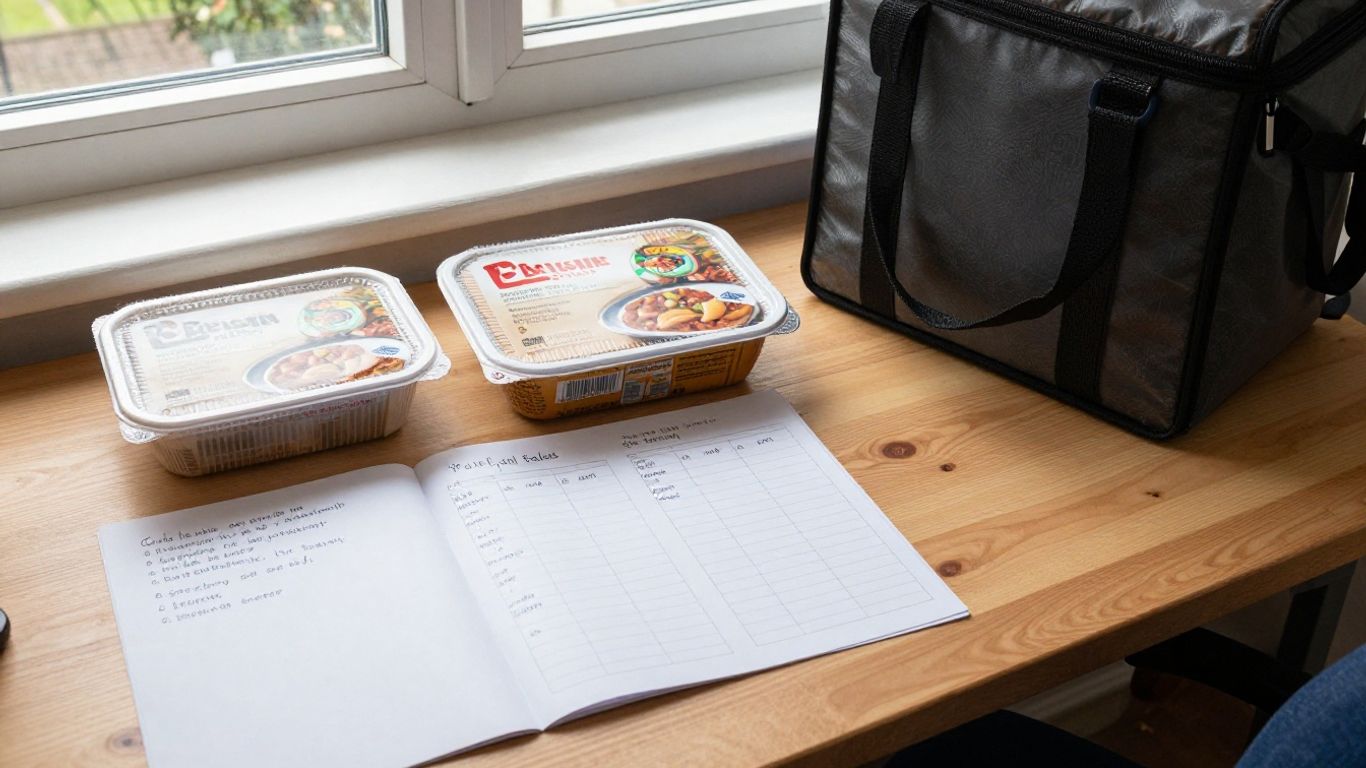
Read the menu as a weekly pattern rather than judging one dish in isolation. Dal, rajma, seasonal sabzi, rice and breads can form a useful rotation, while a mixture of vegetarian and meat dishes may suit a household with different preferences. Portion descriptions should explain whether a meal is intended for one person and whether sides are included.
Variety does not have to mean novelty every day. Students often appreciate familiar meals they can order again, with enough rotation to stop the freezer feeling repetitive. If the service publishes ingredients and reheating guidance, read those alongside the dish names.
Checking delivery coverage by postcode
A city name is only a starting point. Delivery boundaries can vary by postcode, building type and service day, so use the checker at the point of ordering rather than assuming that every Glasgow address is covered. The Glasgow meal collection gives students a direct place to begin checking location details.
For halls, enter the full address carefully and include the university accommodation name where relevant. If the result is unclear, contact support before placing a large order; it is easier to resolve a postcode question before payment than on delivery day.
Comparing one-off orders with weekly meal plans
A one-off box is useful for testing portion sizes, flavours and storage requirements. A weekly plan can make sense when the student already knows how many meals they will eat at home and has enough freezer room. The right choice depends on routine, not on the promise of a larger order alone.
Students should also check whether a plan can be skipped or cancelled, which days deliveries normally arrive, and whether the menu changes. Someone who travels home often may prefer occasional boxes, while a student with regular lectures and shifts may value a predictable supply.
Using reviews and service information responsibly
Reviews can reveal useful details about packaging, communication and portion expectations, but they are individual experiences rather than guarantees. Give more weight to repeated, specific comments than to a single enthusiastic or disappointed sentence. Then compare those comments with the service’s own menu, delivery and storage information.
A sensible review check asks whether the reviewer had a similar address, order size and timetable. It also helps to look for a clear support route, current allergen information and instructions that are easy to follow. That combination tells you more than a star rating by itself.
Planning meals around a student budget
The cost of a meal is only one part of a student food budget. Delivery charges, minimum order values, wasted portions and unplanned takeaway purchases can change the final figure. A small amount of planning usually gives a clearer comparison than looking at the menu price alone.
Comparing meal costs with takeaway spending
Takeaway spending often feels inexpensive one order at a time, particularly when a student is tired after a long day. Across a week, though, several delivery fees and add-ons can make the total less predictable. Compare the cost of a prepared portion with what is actually spent on an average takeaway evening, including rice, breads and delivery.
A meal box may also reduce the temptation to add extras simply because the ordering screen makes them visible. The comparison should remain personal: students with different appetites, cooking access and flat-sharing arrangements will reach different conclusions.
Choosing an order frequency that fits your timetable
The best order frequency follows the timetable rather than forcing the timetable to follow the food. A student who is away most weekends may need fewer portions, while someone working late several evenings may benefit from keeping more meals available. Start with the number of dinners that are genuinely likely to be eaten at home.
A simple planning table can make the decision less vague:
| Ordering pattern | May suit | Main check |
|---|---|---|
| One-off box | Trying the service or covering a busy week | Freezer space and portion size |
| Weekly plan | A fairly regular term-time routine | Skip, pause and delivery-day rules |
| Larger occasional order | Shared household or planned busy period | Minimum spend and storage capacity |
The table is only a planning aid, but it helps separate convenience from commitment. If the student’s week changes frequently, flexibility may be worth more than ordering the largest box.
Accounting for delivery charges and minimum orders
Read the checkout conditions before comparing prices. A minimum order may be reasonable for a delivery route, but it can be awkward for one student with limited freezer space. Add delivery charges to the meal total and check whether the stated threshold applies before or after discounts, if any offer is shown.
It is also worth asking whether several flatmates can combine an order without confusing the address or collection arrangements. Shared ordering can work well, but only when everyone agrees on payment, storage and who will be available to receive it.
Avoiding food waste in shared accommodation
Shared kitchens create their own budget problems: shelves get mixed up, labels disappear and someone may use a meal by mistake. Mark boxes with the owner’s name and delivery date, then agree on one freezer area before ordering. This is a small domestic arrangement, but it protects both money and goodwill.
Students can reduce waste by ordering a realistic number of portions, keeping a basic list of what is stored and eating older items first. If plans change, tell flatmates rather than leaving food unidentified at the back of the freezer.
Ordering Indian meals for Glasgow student life
A successful order is part food choice and part logistics. Glasgow student life can involve halls, tenement flats, commuting, placements and evening work, so the delivery details need to be as clear as the menu. Plan for the moment the box arrives, not only for the moment the checkout button is pressed.
Selecting delivery details for halls and flats
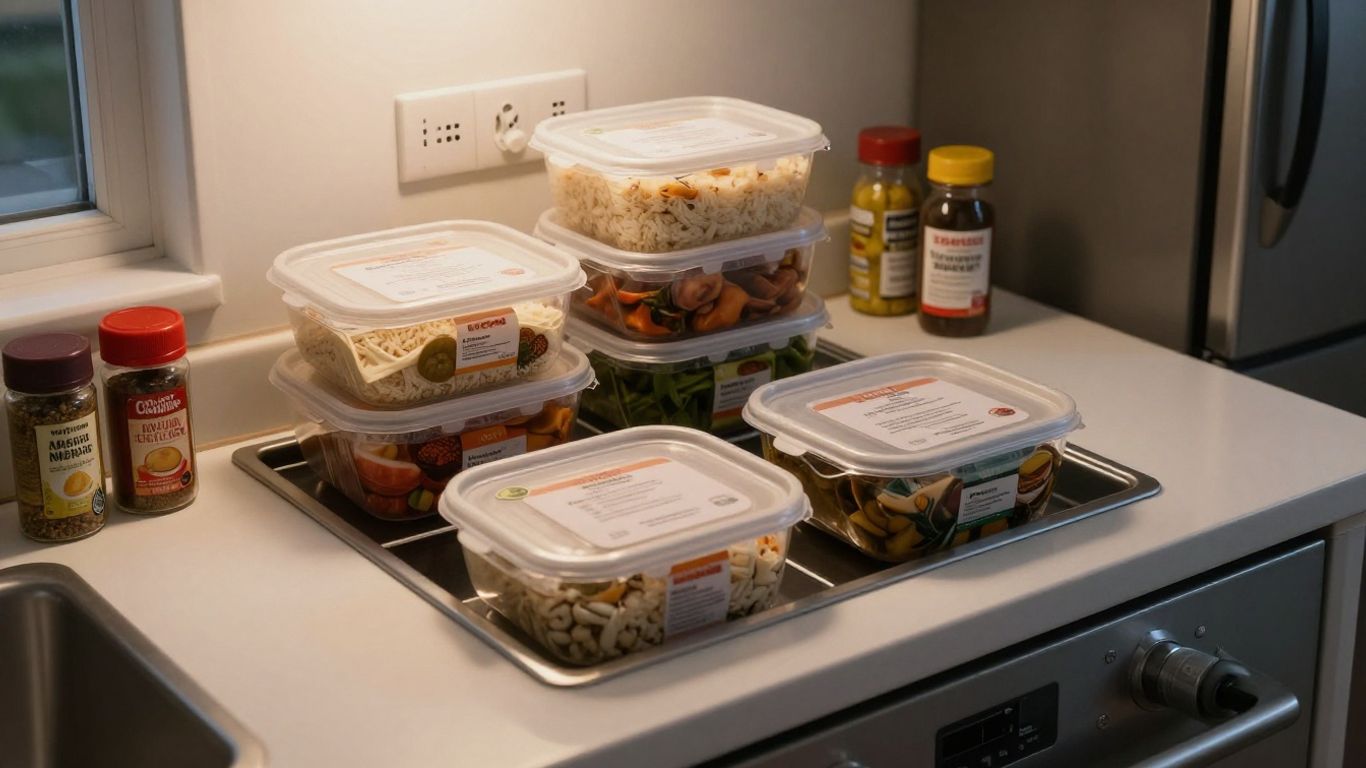
Use the official address format supplied by the accommodation provider, including building, block, room or flat details where needed. Add a delivery note that helps a driver find the entrance without relying on informal directions. If halls use a central reception, check whether frozen food can be accepted and how quickly it must be collected.
For a private flat, confirm the buzzer name and make sure someone can answer. A student should also know where the box will go after delivery so that it is not left in a warm communal area while the kitchen is unattended.
Coordinating deliveries around lectures and work
Delivery day should sit alongside the student’s actual week. Avoid choosing a time when everyone is in a lab, at work or travelling across the city, unless the building has a reliable collection point. Housemates can share responsibility, but the arrangement should be agreed before the order is placed.
A calendar reminder can help with both receiving and putting meals away. It is a modest habit, yet it prevents a box being forgotten during a crowded week.
Checking allergen and ingredient information
Read the ingredient and allergen information for every meal, especially when ordering for someone else. Do not rely on a dish name to answer questions about nuts, dairy, gluten, spices or other ingredients. If the published information does not answer a specific concern, contact the service before checkout.
Students should also distinguish between a vegetarian preference and a medically necessary restriction. Clear communication is more useful than making assumptions from a photograph or a familiar recipe name.
Ordering for one student or a shared household
A solo student can match the box to their actual eating pattern, while a flatshare may make it easier to meet a minimum order or use several portions before plans change. Either way, agree who has ordered what and how meals will be labelled. Shared food is enjoyable only when ownership and payment are clear.
For a household with mixed preferences, a varied order may be more practical than asking everyone to eat the same dish. Keep meat and vegetarian meals identifiable, and make sure each person has read the relevant ingredient information.
Reheating and storing frozen Indian meals safely
Frozen food is convenient only when it is handled properly. The pack instructions are the first source to follow, because heating times and methods can differ between meals and appliances. Students should make room in the freezer before delivery and treat storage as part of the ordering decision.
Following the meal’s reheating instructions
Read the label before opening or transferring anything. Use the stated method, container guidance and heating time, then check that the centre is piping hot before serving. Microwave power varies, so a meal that needs extra time should be heated in short stages rather than guessed at from another product.
Do not improvise with packaging unless the instructions say it is suitable. Keeping the label nearby also helps if several meals have similar appearances but different cooking directions.
Allowing enough time for frozen food to thaw or heat
A frozen meal may need more time than a room-temperature dish, particularly if several portions are being prepared together. Build that time into the evening instead of starting when a lecture ends and expecting dinner immediately. If the instructions allow cooking from frozen, follow them closely; do not assume every meal can be treated the same way.
It can help to decide earlier in the day which meal is planned for dinner. That leaves room to read the instructions, heat it thoroughly and sit down without rushing.
Storing meals safely after delivery
Put meals into the freezer promptly and follow the storage guidance on the packaging. Keep the freezer at its recommended setting, avoid overloading it so air cannot circulate, and use dated labels if the original labelling is difficult to read. Once a meal has been heated, handle leftovers according to the pack guidance and general food-safety advice.
If a delivery arrives with damaged packaging or the food does not seem to have remained frozen, pause before eating it and contact the supplier for advice. A quick question is better than guessing.
Managing freezer space in shared kitchens
Freezer space is often the limiting factor in student accommodation. Measure or estimate the available shelf before ordering, and leave enough room for normal household food. Flatmates should agree which section belongs to whom, especially if a larger box is being delivered.
Stack meals so labels remain visible and keep a short inventory on the fridge door. That makes it easier to see what needs eating and prevents new deliveries being squeezed into an already crowded drawer.
Making home-cooked Indian meals work during term time
The value of a meal box is clearest when it becomes part of a routine rather than an emergency purchase. Students can plan a few dependable dinners, leave space for social meals and use the freezer to absorb the unpredictable parts of term. The aim is not a rigid menu; it is a little less daily decision-making.
Building a simple weekly meal routine
Start by marking the evenings when cooking is least likely: late lectures, work shifts, society events or long library sessions. Put prepared meals on those nights and leave one or two flexible slots for leftovers, eating out or cooking something simple. A routine that allows changes is more likely to last.
It can also help to keep a short list of meals in the freezer. That way, choosing dinner takes seconds and the student can notice when another order is needed without discovering the shortage at 8pm.
Pairing mains with rice, breads or sides
A meal may already include a grain or bread, so check the portion before buying extras. If it does not, keep a few straightforward pairings available, such as rice, roti or a simple salad. The point is to complete the meal without turning a ready-to-reheat dinner into another large cooking task.
Different students will prefer different combinations. Someone with a small kitchen may value a self-contained portion, while a flatshare with a rice cooker may find it easy to add a shared side.
Planning around exams, placements and late study sessions
Busy periods are easier when food is arranged before they arrive. During exams or placements, note the evenings when travel and study will run late, then make sure meals are available and freezer space is not already full. This is also a good time to keep reheating instructions visible.
Avoid ordering more than the student can realistically store or eat. A smaller, well-timed box may be more useful than a large order made in the middle of a stressful week.
Ordering ahead for busy periods
Order ahead when delivery schedules allow, particularly around the start of term, exam weeks or placement blocks. Check the current menu and delivery information rather than relying on an old routine, as routes and availability can change. This student meal planning guide offers another useful way to think about portions, delivery and reheating together.
A reminder in the calendar can cover the practical details: order date, delivery day, freezer capacity and who will be home. Those four checks prevent most avoidable surprises.
What to know about Saakshi’s Kitchen for Glasgow students
Saakshi’s Kitchen is a home-cooked Indian meal service with meals prepared in a Brighton kitchen and delivered frozen, ready to reheat. For Glasgow students, the relevant question is whether the current delivery area, menu and address arrangements suit their particular accommodation. The service is not a restaurant or takeaway aggregator, so students should approach it as a planned meal-box option.
Understanding the home-cooked meal offering
The meals are based on home-cooked Indian food, with Punjabi everyday dishes such as dal, rajma and seasonal sabzi. The kitchen describes its method as building masala from scratch in each batch, with a proper bhuno and a tadka at the end, rather than relying on one standing gravy base. That gives students a useful sense of the style: familiar household cooking, portioned for reheating.
The service’s kitchen-cooked meats are halal, and vegetarian choices are available. Students should still read the current menu and ingredient information for the exact meal they plan to order.
Knowing how the Brighton kitchen prepares orders
Orders are prepared in the Brighton kitchen and delivered frozen for later reheating. The kitchen has an FSA 5-star rating, which is a specific hygiene detail rather than a promise about a student’s personal experience. Meals should be stored and heated according to their packaging instructions once they arrive.
That distance from Glasgow also makes delivery planning important. A student should confirm the postcode, delivery day and storage arrangements before choosing a larger box.
Checking the student ordering site and available locations
Students can begin with the Glasgow delivery page, then use the ordering journey to check whether their postcode and address are currently covered. The student site and location pages are the right places to verify availability, rather than relying on a general city description. This matters particularly for halls with unusual addresses or restricted reception hours.
If a student is ordering from outside Glasgow for someone else, confirm the recipient’s term-time address and phone details carefully. The person receiving the box needs to know when to expect it and where it can be stored.
Reviewing delivery, menu and support details before checkout
Before checkout, review the selected meals, quantity, delivery charge, minimum order and any plan conditions. Check the allergen information and reheating instructions as well, especially if several people are sharing an order. If something is unclear, use the service’s support route before payment.
This final pause keeps the order grounded in the student’s actual week. Saakshi’s Kitchen can be considered alongside the practical questions that apply to any frozen home-cooked meal delivery: location, timing, freezer space and clear food information.
Conclusion
For students, Indian meal delivery in Glasgow is most useful when it fits real accommodation, real budgets and real timetables. Compare the format, check the address and storage details, then choose an order size that can genuinely be used. With those basics in place, frozen home-cooked meal boxes can bring a dependable taste of home to a busy term.
Frequently Asked Questions
What is tiffin-style meal delivery?
Tiffin-style delivery usually means planned, portioned meals intended for everyday eating, often supplied as a box or recurring plan rather than ordered as a restaurant meal at short notice.
Can students order frozen Indian meals to Glasgow accommodation?
Some services deliver to Glasgow postcodes, but coverage varies. Students should enter the full accommodation address and confirm reception, access and collection arrangements before ordering.
How much freezer space does a meal box need?
The amount depends on the number and packaging of portions. Check the box dimensions where available and measure the usable freezer space before choosing a one-off box or larger plan.
Are frozen meals suitable for busy university schedules?
They can be useful when students need food that can be stored until a suitable evening. The student still needs to follow storage and reheating instructions and plan around delivery day.
How should students compare meal plans with takeaway?
Compare the full cost, including delivery, sides, minimum orders and likely waste. Then consider whether the number of portions matches the student’s timetable and appetite.
What delivery details should students provide for halls?
Include the building, block, room or flat information requested by the accommodation provider, plus a working phone number and any reception instructions. Confirm who can receive the parcel if the student is away.
What should students check for allergens?
Read the current ingredient and allergen information for each meal. If a concern is not answered clearly, contact the service before ordering rather than relying on the dish name or photograph.
Order home-cooked Indian meals from Saakshi's Kitchen · UK delivery locations.