

What is ghee used for? A practical guide to cooking, baking and serving
Saakshi's Kitchen EditorialKey Takeaways
Ghee is useful far beyond a finishing drizzle: it can fry, temper, bake and enrich everyday dishes. The trick is to treat it as a strongly flavoured cooking fat and use enough to carry the flavour, not enough to drown the food.
- Ghee is butter cooked until its water and milk solids separate.
- Its nutty flavour works especially well with spices, rice, lentils and Indian sweets.
- It is suited to frying, sautéing and many baking recipes.
- A small spoonful can finish warm food without further cooking.
- Store it away from moisture and use clean, dry utensils.
Understanding ghee and how it differs from butter
Ghee is a familiar ingredient in Indian kitchens, but it is often treated as something reserved for special dishes. In reality, it is a practical store-cupboard fat for weekday cooking, baking and serving. If you are wondering what is ghee used for, begin by thinking of it as butter with a deeper flavour and different handling qualities.
What ghee is and how it is made
Ghee is made by gently heating butter so that its water evaporates and the milk solids separate. The remaining butterfat is strained, leaving a clear golden fat with a toasted, rounded aroma. The milk solids may darken during the process, which is one reason ghee usually tastes more pronounced than simply clarified butter.
At home, the process calls for patience rather than complicated equipment. The butter needs watching as it simmers, since the solids can catch quickly near the end. Buying a jar is convenient, while making it yourself lets you control how lightly or deeply it is cooked.
How clarified butter compares with ordinary butter
Ordinary butter contains water and milk solids, so it can foam, sputter or brown when heated. Ghee has had much of that water and the solids removed, making it calmer in a hot pan. Clarified butter follows a similar separation process, though it is generally stopped before the milk solids brown, giving it a gentler taste.
The choice depends on the dish. Butter brings creaminess and can be useful in sauces, while ghee brings a cleaner frying quality and a more savoury, roasted note. A useful ghee and butter guide gives the basic comparison without making either fat a universal substitute.
What ghee tastes and smells like
Good ghee smells buttery, warm and lightly nutty, with a toasted edge that becomes more apparent when it is heated. Its flavour can be mild when used sparingly or quite noticeable when spooned over rice or stirred into a sweet. Colour ranges from pale gold to a deeper amber, depending on how the butter was cooked.
That flavour is part of the point, so pair it with ingredients that can meet it. Cumin, cardamom, black pepper, garlic and roasted grains all work naturally. If a dish is delicate, start with less and add more at the table.
How its cooking properties affect recipes
Ghee is useful in recipes where a fat needs to stay steady over fairly high heat. It does not contain the same amount of water as butter, so onions and spices tend to fry rather than steam in it. This can help build a rounded base, but it does not remove the need to control the temperature.
It also changes texture. Rice grains can become glossy, pastry can turn tender, and a spoonful stirred into dal can give the surface a smooth finish. As with any concentrated fat, the best result comes from matching the quantity to the other rich ingredients in the recipe.
Using ghee for frying and everyday cooking
A jar of ghee earns its place when it is used for ordinary meals rather than kept untouched for festivals. It is particularly handy at the start of a dish, when aromatics and spices need a warm medium in which to release their scent. Use a moderate heat first, then adjust as the ingredients change.
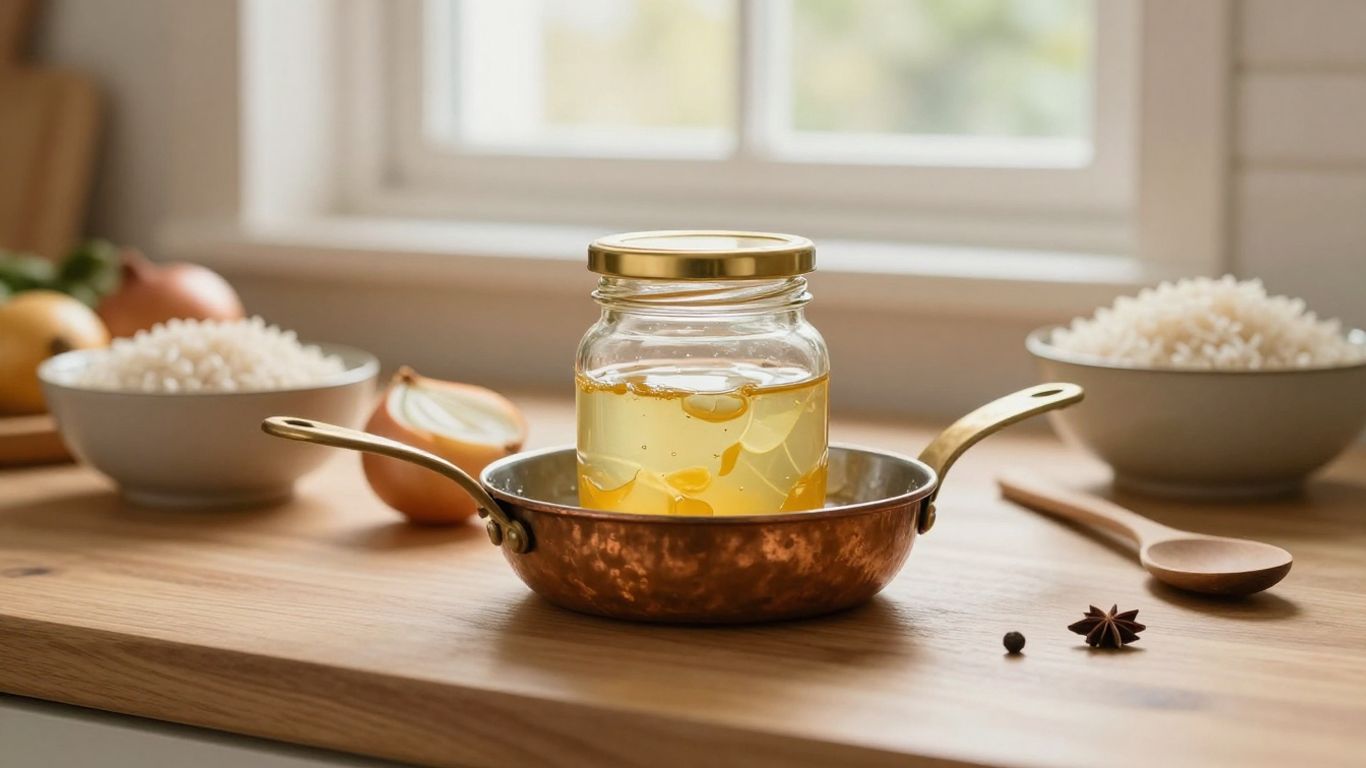
The following ideas cover the most useful everyday applications, from a quick breakfast to a pot of rice. They are starting points rather than strict recipes, because the amount depends on the size of the pan and the ingredients.
Sautéing onions, garlic and spices
Melt ghee before adding sliced onions, minced garlic or whole spices. Cumin seeds, mustard seeds and bay leaves can crackle in the fat, releasing aroma before the main ingredients go in. Keep the heat moderate enough for the onions to soften and colour without turning bitter.
For a masala base, ghee can carry ginger, garlic, tomato and ground spices through the early cooking stage. Add spices after the aromatics have softened, and stir continuously for a short time so they toast without scorching. The result should smell rounded, not smoky.
Frying eggs, vegetables and paneer
A small spoonful of ghee gives fried eggs crisp edges and a buttery aroma. It also suits vegetables that benefit from browning, such as potatoes, cauliflower, mushrooms and courgettes. Paneer can be browned in ghee before being added to a sauce, where its outside keeps a pleasant savoury edge.
Do not crowd the pan. If vegetables release water, a crowded surface will steam them instead of colouring them. Fry in batches when needed, then return everything to the pan with seasoning at the end.
Cooking rice, lentils and grains
Ghee is often added to rice or grains before water goes in. Coating the grains briefly can help them stay separate and gives the finished pot a gentle buttery aroma. It is also useful in lentils, particularly when a final tempering of spices is poured over the top.
For a simple everyday method, keep the flavour structure clear:
- Warm ghee with cumin or a bay leaf.
- Stir in rinsed rice, lentils or another grain.
- Add the measured liquid and salt.
- Cook until tender, then rest before serving.
The technique is simple, but the resting time matters. It lets steam finish the grains and gives the ghee-led aroma time to settle through the pot.
Choosing the right amount for a dish
Start with a teaspoon for a small pan of vegetables or a single serving of dal, then add more only if the dish needs it. For baking or a larger pot, weigh the ghee where the recipe calls for precision. The table below offers practical starting points rather than fixed rules.
| Use | Starting amount | What it contributes |
|---|---|---|
| Frying one or two eggs | 1 teaspoon | Crisp edges and buttery aroma |
| Sautéing vegetables | 1–2 teaspoons | Browning and spice-carrying fat |
| Finishing a bowl of dal | ½–1 teaspoon | A rounded, warm finish |
| Cooking a small pot of rice | 1 tablespoon | Glossy grains and gentle richness |
Taste after the food is cooked, especially if it already contains coconut, cream, cheese or nuts. That final check keeps the dish full-flavoured rather than heavy.
Adding ghee to Indian recipes
Ghee has a natural place in Indian cooking because it carries whole and ground spices so effectively. It may appear at the beginning of a recipe, at the end as a tadka, or in a small brush of fat over bread. The same ingredient can therefore give depth, aroma or a finishing sheen.
The amount and timing vary by dish. A dal may need only a fragrant spoonful of cumin and garlic, while a festive rice dish can take a more generous coating. The aim is not to make every dish taste of ghee, but to let it support the main flavours.
Tempering spices for dals and curries
For a tadka, heat ghee until it is fluid, then add whole spices such as cumin, mustard seed, dried chilli or asafoetida. Once they sizzle, add aromatics if the recipe calls for them and pour the mixture over cooked dal or curry. The hot fat spreads the spice aroma across the surface and into the first few spoonfuls.
This finishing step is especially effective with plain dal, moong dal and gently spiced lentils. Keep the pan close and have the cooked dish ready, because whole spices can move from fragrant to burnt in seconds. A short sizzle is usually enough.
Finishing biryani, khichdi and pulao
A little ghee folded into biryani or pulao can round out the perfume of cardamom, cloves, cinnamon and saffron. With khichdi, it adds a soft, savoury richness that suits the dish's comforting texture. Add it after cooking or during the final rest so the aroma remains distinct.
When assembling a layered rice dish, drizzle rather than pour. Several small additions distribute the flavour more evenly than one heavy pool. Fried onions, herbs and toasted spices can then remain visible and distinct.
Brushing naan, roti and paratha
Warm ghee can be brushed over naan, roti or paratha as soon as the bread leaves the pan. It softens the surface slightly and gives the bread a fragrant finish. For layered paratha, a restrained amount between folds helps create richness without making the bread greasy.
Use a pastry brush or the back of a spoon, and serve promptly. Ghee thickens as it cools, so a warm brush gives the most even coating. A pinch of chopped coriander or dried fenugreek can be added when the dish suits it.
Balancing ghee with herbs, spices and other fats
Because ghee has its own character, it works best alongside bright or aromatic ingredients. Coriander, mint, lemon, green chilli and toasted cumin can cut through its richness, while yoghurt or a sharp pickle can bring contrast at the table. If another rich fat is already present, reduce the ghee rather than adding it automatically.
Saakshi's Kitchen describes its food as Punjabi home cooking, with dishes such as dal, rajma and chole prepared as everyday meals. That same Tuesday-night spirit is a useful guide at home: let ghee sit within the meal, not turn every plate into a special-occasion dish. Their Punjabi home cooking overview is a natural companion for readers thinking about the wider meal around these techniques.
Using ghee in baking and sweet dishes
Ghee can replace some or all of the butter in recipes where its lower water content will not upset the structure. It brings a toasted flavour to biscuits, cakes and Indian sweets, and it is central to many recipes based on flour, semolina, gram flour or nuts. Since it is intensely flavoured, small changes can be noticeable.
Baking rewards careful measuring. Unlike butter, ghee does not contribute the same water, so a direct swap may alter tenderness or spread. Begin with a trusted recipe, then record what you changed for the next attempt.
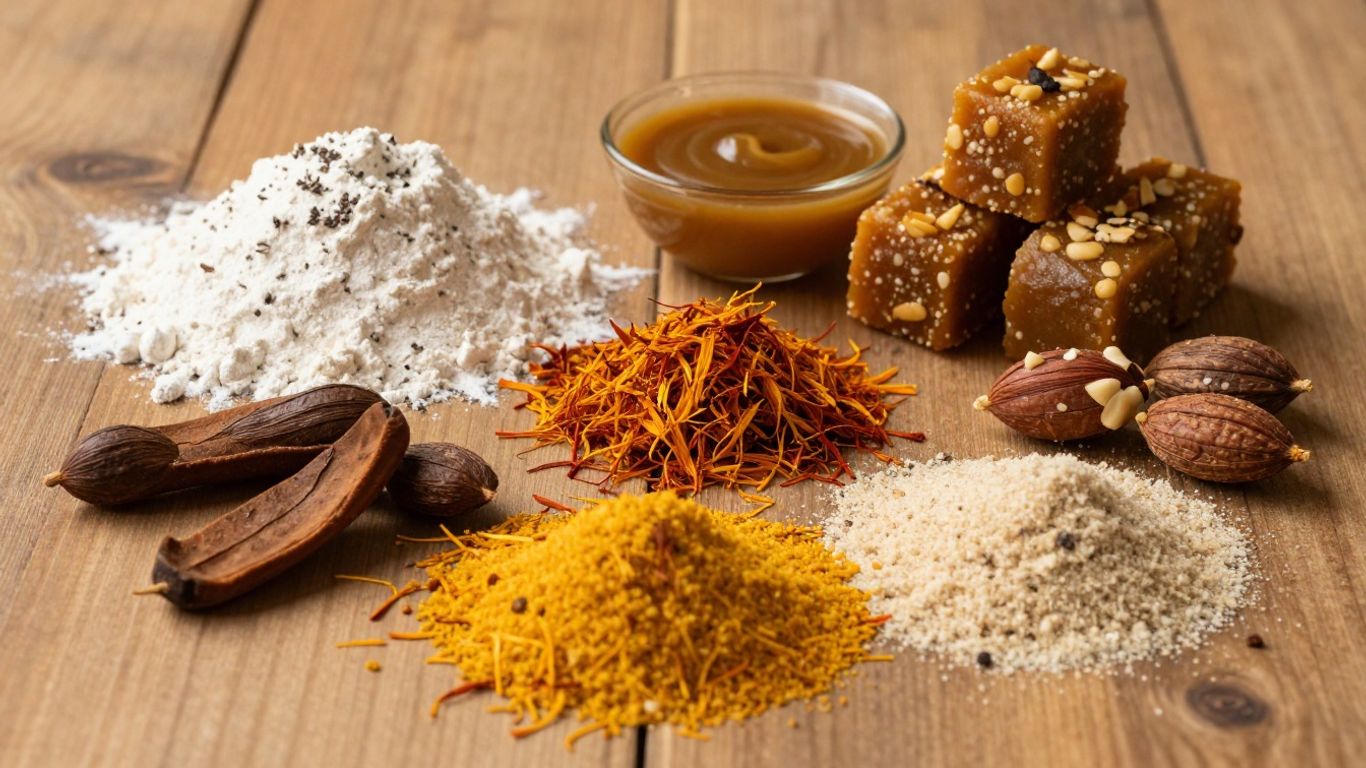
Replacing butter in biscuits and cakes
Melted or softened ghee can work well in short biscuits, spice biscuits and some simple cakes. Its flavour pairs naturally with cardamom, cinnamon, ginger, orange zest and dark sugar. For recipes that depend on creaming butter and sugar, expect a different texture if the ghee is liquid rather than aerated.
A practical approach is to replace part of the butter first. Chill the dough if it spreads too quickly, and judge the bake by colour and texture rather than relying only on the original timing. The finished biscuit may be crisper and more fragrant.
Making halwa, laddoo and other Indian sweets
Ghee is used to toast semolina, flour, gram flour and nuts before sugar or syrup is added. In halwa, it helps the grains or flour cook evenly and carries the aroma of cardamom and saffron. In laddoo, the right amount binds the mixture while keeping the finished sweet tender rather than oily.
The cooking stage matters more than simply adding a large quantity. Toast the base patiently, stir often and add ghee in stages if the recipe allows. This gives you a clearer sense of when the mixture is ready to shape.
Incorporating ghee into pastry and enriched dough
Ghee can be used in pastry, flatbread dough and enriched mixtures where a buttery aroma is welcome. It may produce a more delicate bite, though the result depends on whether the recipe needs cold solid fat, liquid fat or water for its structure. A pastry made with ghee may also have a slightly different handling quality from one made with butter.
Keep the ghee cool when the recipe calls for a firm fat, and avoid overworking the dough. For enriched dough, add it gradually after the flour has begun to hydrate. This helps the mixture come together without becoming slippery.
Adjusting quantities when adapting a recipe
When swapping butter for ghee, begin with a modest reduction if the original recipe contains a lot of fat, then check the texture. A cake batter may need a little extra liquid, while a biscuit dough may not. The correct adjustment is guided by the recipe's structure, not by a single universal conversion.
Write down the weight used, the dough's feel and the finished texture. That small record is more useful than guessing the next time, especially with family recipes that are usually measured by eye.
Serving ghee without cooking it
Ghee does not always need a hot pan to be useful. A small amount can be spooned over a finished dish, where its aroma stays more noticeable than it would after prolonged cooking. This is a particularly good way to test a new jar before using it in a large recipe.
Warm foods soften ghee quickly, while cool foods may need it melted first. Add it gradually and taste between additions. The best serving ideas keep the rest of the plate simple enough for the flavour to register.
Drizzling it over rice, vegetables and pulses
A thin drizzle over plain rice, roasted vegetables or cooked pulses can turn a basic side into something more rounded. Try it over steamed basmati, roasted squash, green beans or a bowl of dal. Add salt, black pepper or a squeeze of lemon afterwards so the plate does not become one-note.
The key is distribution. Melt the ghee and drizzle it in a narrow stream, or dot small pieces over very hot food. Stir gently only once or twice, leaving some aromatic pockets rather than coating every grain heavily.
Mixing it into porridge and warm dishes
A little ghee stirred into savoury porridge, khichdi or warm grains gives a smooth finish. It can also sit well with sweet porridge when paired with cardamom, cinnamon, dates or toasted nuts. Use a small amount first, as the heat of the bowl will spread the flavour quickly.
If the dish already contains milk, cream or nut butter, treat ghee as an accent. It should make the first spoonful more inviting, not leave a film that dominates the whole bowl.
Using it as a spread or table condiment
Soft ghee can be spread on warm toast, flatbread or a home-cooked paratha. At the table, serve it in a small dish with a clean spoon so people can choose their own amount. It is also useful beside dal, rice and vegetable dishes when diners prefer different levels of richness.
Keep the accompaniments clear. Flaked salt, chilli, chopped coriander or a little pickle can give the ghee direction without hiding its toasted flavour. This turns a jar into a flexible condiment rather than a single-purpose ingredient.
Pairing its flavour with sweet and savoury foods
On the sweet side, ghee works with jaggery, honey, cardamom, roasted nuts and dried fruit. On the savoury side, it pairs with lentils, potatoes, mushrooms, paneer and earthy spices. Acidic ingredients such as lemon or tamarind help keep a rich dish lively.
A useful rule is to pair intensity with intensity. Delicate fruit may disappear beside deeply toasted ghee, while a spiced pudding or roasted vegetable can hold its own. Taste in small amounts and let the pairing develop.
Choosing, storing and handling ghee
The best ghee is not necessarily the darkest or most expensive jar. Look for a product whose ingredient information is clear and whose aroma is clean, buttery and lightly nutty. Storage then becomes just as important as the initial choice, because moisture and stray food particles can affect quality.
Ghee may be firm, soft or liquid depending on room temperature. Those changes are normal. What matters is whether the smell remains pleasant and the surface has been protected from water and crumbs.
What to look for on the label
Check that the jar clearly identifies ghee or clarified butter and provides an ingredient list. If you are buying it for a particular dietary need or allergy, read the full label rather than relying on a front-of-pack description. Batch information and a best-before date are also useful when comparing jars.
A mild golden colour is not a guarantee of quality, nor is a very dark colour a guarantee of deep flavour. Choose the aroma and information that suit how you intend to cook.
How to store ghee at home
Follow the jar's storage instructions and keep it in a cool, dry cupboard unless the label says otherwise. A tightly closed container protects the aroma and reduces the chance of moisture getting in. Keep it away from steam rising from a hob or kettle.
If your kitchen is very warm, refrigeration may make the ghee firmer but does not change how it can be used. Allow it a little time to soften before spreading, or melt only the amount needed for cooking.
Recognising changes in smell, colour and texture
Ghee can naturally change from liquid to opaque and firm as the temperature falls. Crystalline or grainy texture can also occur and is not automatically a fault. More concerning signs include a sour, stale or otherwise unpleasant smell, visible mould, or contamination from wet food.
When in doubt, do not taste a questionable jar to decide whether it is usable. Compare its aroma with what you expect from a clean, buttery product and follow the manufacturer's guidance.
Using clean, dry utensils to protect quality
Always use a dry spoon when taking ghee from the jar. Water, steam and food residue are easy to introduce accidentally, especially when the jar sits beside a busy cooker. Wipe the rim before replacing the lid if any ghee has collected there.
This small habit keeps the jar's flavour consistent. It also makes it easier to judge later whether a change comes from normal temperature shifts or from contamination.
Common questions when cooking with ghee
Ghee is versatile, but versatility does not mean it belongs in every recipe. The right choice depends on heat, flavour, texture, cost and any dietary requirements at the table. These questions cover the decisions cooks make most often.
Use them as practical prompts rather than strict rules. A recipe can usually accommodate a little experimentation, provided you change one thing at a time and taste as you go.
When to choose ghee instead of oil
Choose ghee when you want a buttery, toasted flavour as well as a cooking fat that behaves steadily in a hot pan. It is especially useful for tempering spices, frying eggs, browning paneer, cooking rice and finishing dal. Oil may be preferable when you want the other ingredients to remain the only dominant flavours.
Price can matter too. Use ghee where its flavour will be noticed, and choose another fat for a large batch of food where the distinction would be lost.
When butter or another oil may work better
Butter can be the better choice for a creamy sauce, a classic buttercream or a recipe where its water content is part of the expected texture. A neutral oil may suit delicate cakes, dressings or high-volume frying where a buttery aroma would be distracting. The recipe's method should guide the decision.
If you are adapting a dish, consider both flavour and structure. A direct swap can change browning, spread and tenderness, particularly in baking.
How to prevent dishes becoming too rich
Measure the ghee rather than adding it by instinct, especially when the dish also contains coconut, cream, cheese, nuts or a rich meat sauce. Use lemon, herbs, quality chilli, pickles or a sharp yoghurt accompaniment to bring contrast. Serving the dish with plain rice or bread can also soften the overall impression.
You can always add a little more at the end, but removing excess is difficult. A restrained first spoonful is usually the safer route.
How to adapt recipes for dietary preferences and allergies
Ghee is made from butter, so anyone avoiding dairy should check the label and choose a suitable alternative with care. It may also matter whether a recipe contains wheat, nuts, sesame or other allergens alongside the ghee. Read packaged ingredients and ask about cross-contact when eating food prepared by someone else.
For family cooking, keep the base recipe clear and offer finishing fats separately where practical. That lets diners choose an amount that suits them without changing the whole dish.
Conclusion
Ghee is a practical, fragrant ingredient for the everyday kitchen: fry with it, temper spices, fold it through rice, bake with it or serve a small spoonful over warm food. Once you understand its flavour and how it behaves, the question of what is ghee used for has a pleasantly broad answer—whatever needs a little toasted richness, used with a light hand.
Frequently Asked Questions
What is ghee used for most often?
It is commonly used for frying, sautéing, tempering spices, cooking rice and lentils, baking, making sweets and finishing warm dishes.
Is ghee the same as clarified butter?
They are made by separating butterfat from water and milk solids, but ghee is generally cooked for longer, allowing the solids to brown and create a deeper flavour.
Can ghee replace butter in baking?
It can replace some or all of the butter in certain recipes, but the lower water content may change texture, spread and tenderness. Adjustments may be needed.
Does ghee need to be refrigerated?
Follow the storage directions on the jar. Many products can be kept in a cool, dry cupboard, provided they are protected from moisture and contamination.
How much ghee should be used for cooking?
Start with a small amount, often a teaspoon for a small pan, then taste and add more if needed. The other rich ingredients in the dish should also be considered.
Can ghee be used as a spread?
Yes. Soft ghee can be spread on warm bread or flatbreads, or served as a table condiment with rice, dal and vegetables.
How can ghee be balanced in a rich dish?
Use a modest quantity and add contrast with lemon, herbs, chilli, pickle or a sharp accompaniment. Plain rice or bread can also make the whole plate feel lighter.
Meals from Saakshi's Kitchen are home-cooked then delivered frozen, ready to reheat.
Order home-cooked Indian meals from Saakshi's Kitchen · UK delivery locations.