

What is garam masala made of? Ingredients, variations and how to use it
Saakshi's Kitchen EditorialKey Takeaways
Garam masala is a warming spice blend rather than one fixed recipe. Its character comes from the balance of earthy, sweet, woody and peppery ingredients, plus when the blend is added to a dish.
- Cumin and coriander create much of the blend’s earthy foundation.
- Cardamom, cinnamon and cloves bring sweet, aromatic warmth.
- Regional and family recipes can use quite different proportions and spices.
- Toasting whole spices and grinding them at home gives a more pronounced aroma.
- Garam masala can be added during cooking or used at the end, depending on the flavour you want.
The core spices found in garam masala
If you have wondered what is garam masala made of, the short answer is a mixture of warming spices ground together. There is no single universal formula, although certain ingredients appear again and again. The blend is usually aromatic rather than simply hot, with each spice giving the others room to show themselves.
Cumin and coriander for earthy depth
Cumin brings a dry, savoury earthiness, with a slightly toasted character that sits comfortably in curries, lentils and rice dishes. Coriander seed is gentler and more citrus-like, adding lift as well as depth. Together they form a useful base, which is why many recipes give them a substantial share of the blend.
The two spices also help prevent the sweeter ingredients from becoming too dominant. A cumin-heavy mix feels darker and more savoury, while extra coriander can make it seem lighter and rounder. This is part of the everyday spice language explained in Indian spice basics, where aroma matters just as much as heat.
Cardamom, cinnamon and cloves for warmth
Green cardamom contributes a cool, floral perfume, while black cardamom is deeper and smokier. Cinnamon or cassia gives the blend a woody sweetness, and cloves add a concentrated, almost medicinal warmth. These ingredients are powerful, so even a small change in quantity can be noticeable.
They work particularly well in dishes with onion, tomato, yoghurt or rich sauces. Cardamom can make a rice dish smell wonderfully fragrant, whereas cinnamon and cloves give a slow-cooked curry a rounded background note. The aim is not to make every spice shout at once.
Black pepper, mace and nutmeg for aromatic heat
Black pepper provides a clean, lively heat that is different from the sharper burn of chilli. Mace, the lacy covering around nutmeg, is floral and gently sweet, while nutmeg itself adds a deeper, woodier perfume. Some recipes also include bay leaf, fennel, star anise or other regional additions.
These ingredients are often used in smaller quantities because they can quickly dominate. A little aromatic heat can make a blend feel vivid without turning the dish into a hot one. That distinction is useful when seasoning family food, where fragrance and comfort may matter more than intensity.
Why ingredient ratios change the flavour
A garam masala with extra cardamom and cinnamon will taste sweeter and more perfumed. One with more cumin, black pepper or coriander may feel earthier and more savoury. A blend containing black cardamom or star anise can have a darker, more assertive character than a simple everyday mixture.
There is no need to treat one formula as the only correct version. The right proportions depend on the dish, the cooking tradition and your own preference. A gentle blend may suit dal and vegetables, while a bolder one can stand up to slow-cooked meat or a richly spiced rice dish.
How garam masala varies by region and recipe
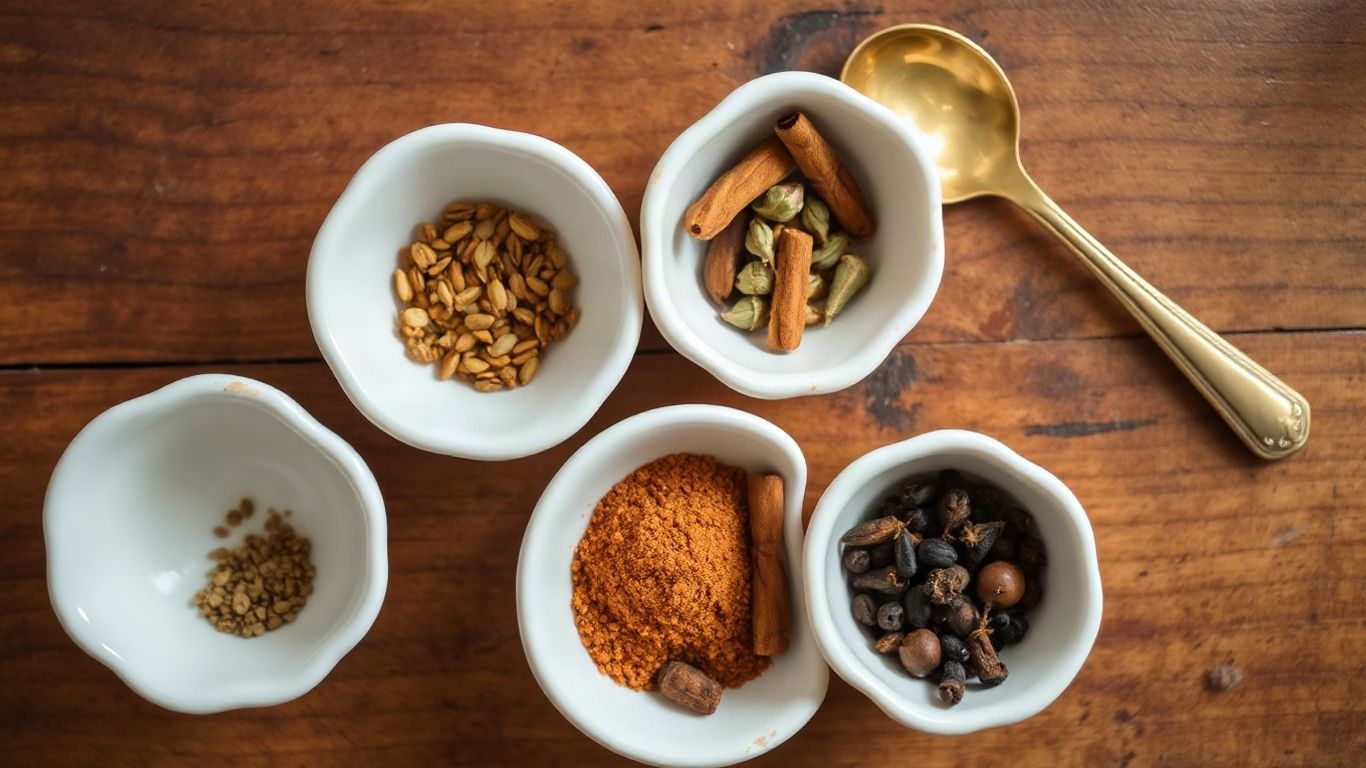
Garam masala changes from kitchen to kitchen, and regional names do not always point to one fixed ingredient list. Northern blends often feature cumin, coriander, cardamom, cinnamon, cloves and pepper, but the proportions can move considerably. The same household may also keep more than one version for different dishes.
That variety is part of the pleasure of learning about the blend. You can compare it with this wider guide to regional garam masala, which covers common ingredients and traditional preparation. What matters in practice is whether the blend suits the food it is meant to season.
North Indian blends and their typical profile
A commonly encountered North Indian style is warm, fragrant and moderately peppery, with cumin and coriander supporting cardamom, cinnamon and cloves. It is often used to finish familiar home dishes as well as to season a masala during cooking. The overall impression should be layered, not merely hot.
Punjabi home cooking may use the blend alongside haldi, jeera, dhania, rai and methi, with each spice added at a different point. A spoonful of garam masala is therefore only one part of the flavour, not a substitute for the whole spice box.
Punjabi, Bengali and Mughlai-style differences
Punjabi versions often lean towards a warm, savoury profile that works with dal, rajma, chole and vegetable dishes. Bengali garam masala is commonly associated with a shorter, more aromatic combination, often centred on cardamom, cinnamon and cloves. Mughlai-style blends may be more perfumed and rich, with ingredients such as mace, nutmeg or black cardamom.
These descriptions are useful starting points rather than strict boundaries. Recipes travel, families move and cooks adapt what is available in the cupboard. Even within one region, the blend used for a biryani may not be the same as the one used for a weekday curry.
Family recipes and custom spice combinations
A family recipe may be written down in teaspoons, measured by handfuls or remembered by scent. One cook may add fennel for sweetness, another may prefer black pepper, and someone else may leave out cloves because they find them too forceful. The result can still feel recognisably like the same household’s food.
This is why small-batch blending is so useful at home. You can begin with a familiar base, then alter it after tasting it in a simple lentil dish or vegetable curry. Keeping notes helps when you eventually find the version that suits your table.
Why shop-bought blends can taste different
Commercial blends vary because manufacturers choose different recipes, grind sizes and proportions. Some may be dominated by cinnamon or cloves, while others are more peppery, earthy or cardamom-led. The date on the packet also matters, since ground spices gradually lose their aroma while sitting in a cupboard.
Read the ingredient list rather than relying only on the name on the front. If the first few ingredients are not the flavours you enjoy, the blend may never taste quite right to you. A smaller packet can be sensible when you are still working out your preferred style.
Whole spices versus pre-ground spices
Whole spices and ground spices both have a place in a practical kitchen. Whole spices usually keep their aroma for longer because their inner oils are protected until they are cracked, toasted or ground. Pre-ground blends are quicker, consistent and perfectly useful for a Tuesday-night meal.
The choice is less about strict rules than about the time available and the dish being cooked. Whole spices reward a little attention, while a prepared blend helps when you need dinner on the table without another task. Both can produce a satisfying result when stored and used thoughtfully.
Why roasting affects aroma and flavour
Dry roasting warms the spices and helps release their aromatic oils. It can also add a gently toasted note, especially to cumin and coriander. The pan should be kept at a moderate heat, with the spices moved often so that the smaller ingredients do not scorch before the larger pieces have warmed through.
The process is central to many traditional approaches to roasting and grinding spices. Stop as soon as the kitchen smells fragrant; waiting for the spices to darken dramatically can leave the finished blend bitter. Allowing them to cool before grinding also makes the process easier to control.
When to grind the spices at home
Grinding at home is worthwhile when you want a blend with a lively aroma or when you are adjusting the recipe for a particular dish. A spice grinder works quickly, while a small mortar and pestle gives you more control over texture. Grind in short bursts so the spices do not heat up unnecessarily.
A slightly coarse blend can be pleasant in some dishes, but a fine powder distributes more evenly through a sauce. If you are using nutmeg or mace, add them carefully because their fragrance can become dominant. Make only the amount you expect to use within a reasonable period.
How pre-ground blends save time
A pre-ground blend removes several steps from cooking: measuring, toasting, cooling and grinding. It is especially convenient when the rest of the dish already involves chopping aromatics or preparing rice. The key is to treat it as a seasoning with a defined character, not as a generic replacement for every spice in the recipe.
A teaspoon added to a pan of onions and tomatoes will behave differently from the same amount stirred into a finished dal. Start modestly, taste as the dish develops and add more if the aroma needs lifting. This approach avoids burying the other ingredients beneath a heavy powdery flavour.
Signs that a spice blend has lost its quality
An old blend may look much the same as a newer one, so smell is the better guide. Rub a pinch between your fingers and look for a clear aroma of spice, rather than a flat or dusty scent. If you can barely smell it, you may need more than the recipe expects, and the result can still lack complexity.
Colour can offer a clue, but it is not a reliable test on its own. A tightly sealed container, sensible storage and smaller batches all help preserve the blend’s character. If the aroma has faded completely, replacing it is usually more useful than trying to rescue it with extra spoonfuls.
How to make garam masala at home
Making garam masala at home is a manageable process, even if you are new to Indian cooking. Choose a few familiar spices, warm them gently, let them cool and grind them together. The first batch does not need to be perfect; tasting it in food will teach you more than chasing a supposedly definitive formula.
A simple homemade blend also lets you match the seasoning to the way you cook. You can make it soft and floral for rice, earthy for lentils or more peppery for robust curries. Keep the batch small until you know which direction you prefer.
Choosing spices for a balanced blend
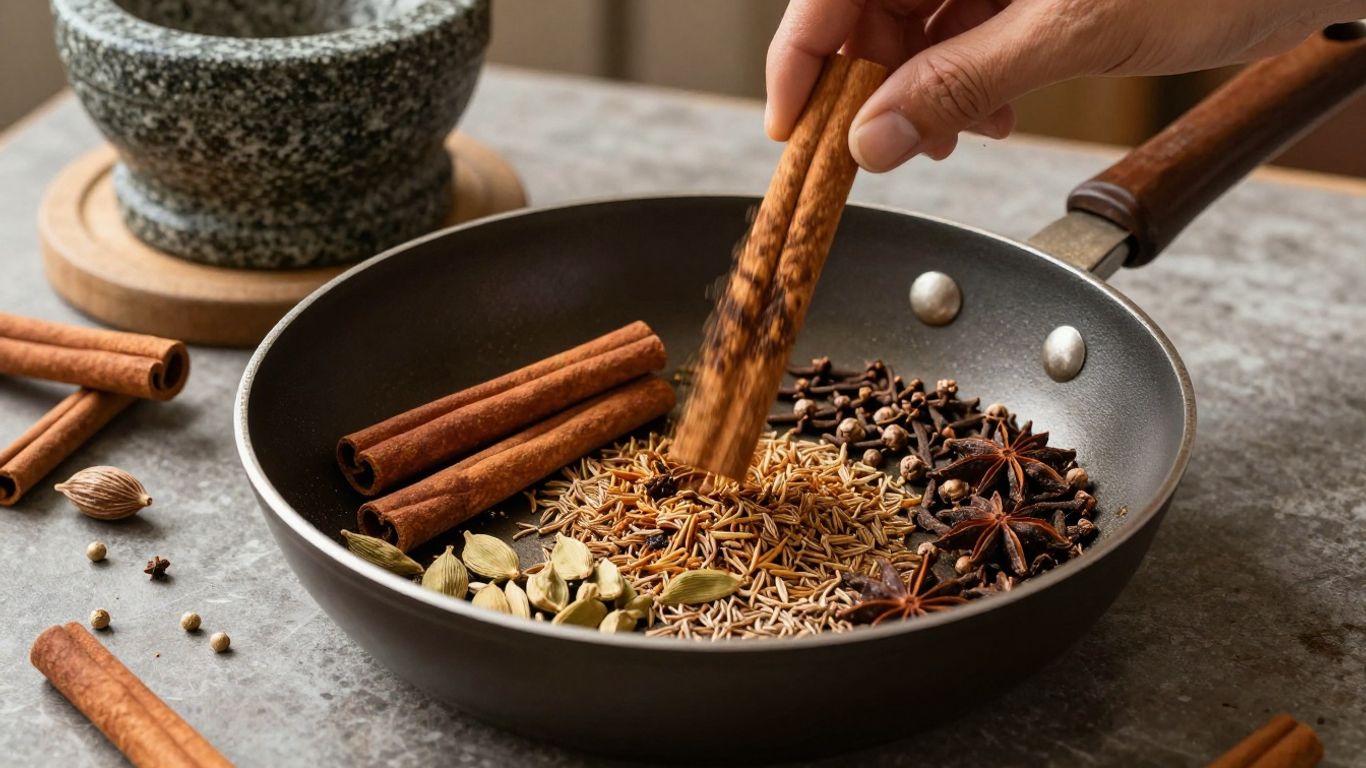
For a dependable starting point, combine cumin, coriander seed, green cardamom, cinnamon, cloves and black pepper. Add a small amount of mace or nutmeg if you enjoy a more perfumed, rounded flavour. Bay leaf, fennel, black cardamom or star anise can be included, but they will shift the blend towards a stronger regional style.
It helps to group the ingredients by intensity before measuring them. Cumin and coriander can form the bulk, with the aromatic spices used in smaller amounts. This gives you room to adjust the next batch without making the first one overwhelming.
Toasting whole spices without burning them
Use a dry, heavy frying pan over low to medium heat and add the spices once the pan is warm. Stir or shake the pan frequently, paying close attention to cloves, cardamom and small seeds. They may become fragrant at different speeds, so remove the pan from the heat if one ingredient is darkening too quickly.
Spread the toasted spices on a plate to cool before grinding. That pause prevents residual heat from cooking the powder and makes the final aroma cleaner. If a spice smells acrid or burnt, discard it rather than allowing that flavour into the whole batch.
Grinding and blending the spices evenly
Grind the cooled spices in short bursts, shaking the grinder between pulses. This helps the harder cinnamon and peppercorns break down alongside the lighter seeds. If necessary, grind the cinnamon separately and combine it afterwards, since large bark pieces can otherwise leave an uneven powder.
For a consistent result, sieve the blend only if there are obvious coarse pieces, then return those pieces to the grinder. Store the finished powder straight away. A quick homemade blend can be more fragrant than a jar that has been open for months, but it still needs protection from heat and light.
Adjusting the recipe for a milder or bolder flavour
To make a gentler blend, increase coriander and reduce black pepper, cloves and black cardamom. For a bolder mixture, add a little more pepper, cumin or cardamom rather than doubling every ingredient. Make changes one at a time so you can identify what each spice contributes.
These are useful starting adjustments for a family table:
- Use extra coriander when you want a softer, rounder base.
- Add black pepper for a sharper aromatic lift.
- Increase cardamom for a sweeter, more perfumed finish.
- Keep cloves and nutmeg restrained when serving a delicate dish.
Taste the blend in a small portion of dal, rice or vegetables before making a large batch. The heat of the pan, the salt in the dish and the other spices around it will all affect the final impression.
How garam masala is used in cooking
Garam masala is flexible because it can season a dish at different stages. Added earlier, it becomes part of the sauce and its edges soften; added later, it keeps more of its perfume. Many cooks use both methods, putting a little into the main masala and saving a pinch for the finish.
It works alongside individual spices rather than replacing them. A dish may still need cumin seeds, turmeric, chilli, coriander powder or mustard seeds, depending on the recipe. In Saakshi's Kitchen, everyday spices are used in stages to build aroma and depth in home-cooked Indian meals delivered frozen for reheating.
Adding it during cooking for a deeper flavour
Stirring garam masala into softened onions, ginger, garlic and tomatoes allows the powder to mingle with the cooking base. The heat should be moderate, with enough moisture or fat in the pan to prevent the spices sticking and scorching. This gives the blend a deeper, more integrated role in the dish.
It is especially useful in curries where the sauce needs time to develop. Add a small amount first, then taste after the liquid has reduced. A blend that smells strong in the jar may become quite mellow once it has cooked with the other ingredients.
Stirring it in at the end for a stronger aroma
A finishing spoonful preserves the blend’s high notes, particularly cardamom, cinnamon and black pepper. Stir it through just before serving or sprinkle a little over the top, then give the dish a short rest. This is often the best approach when the mixture is fragrant and you want that aroma to remain clear.
Avoid boiling the finished dish for a long time after adding a large amount. Extended cooking can flatten the sweeter notes and leave the sharper spices more exposed. A small final addition is usually more effective than a generous one.
Using it in curries, rice dishes and lentils
Garam masala can be used in a tomato-based curry, a pot of chana or rajma, a vegetable dish, or a bowl of dal. In rice dishes, it can perfume the grains alongside whole cardamom, cloves and bay leaf. For lentils, a pinch in the pot and a little in the finishing tadka create two different layers of flavour.
It also suits marinades and roasted vegetables, provided the blend is not allowed to burn. The quantity should follow the strength of the particular mix. A homemade powder made with assertive black cardamom may need less than a mild, coriander-led shop blend.
Pairing it with other spices and ingredients
The blend sits comfortably with onion, tomato, ginger, garlic, yoghurt, ghee and legumes. Cumin and coriander reinforce its earthy side, while chilli adds direct heat and turmeric brings colour. Mustard seed, curry leaves and hing can take the dish in a different direction, so add them with a clear idea of the flavour you want.
Garam masala does not have to dominate. In everyday food, the most pleasing result is often a dish where you notice the overall aroma before you can identify every individual spice. That is what makes it useful across a weekly rotation of dal, rajma, chole, kadhi and seasonal vegetables.
How to store garam masala and choose a blend
A good blend can lose its character if it is left beside a hot hob or opened repeatedly. Ground spices have a large surface area, so air, light and heat gradually dull their aroma. Storage is therefore part of the recipe, not a minor afterthought.
Whether you make the mixture yourself or buy it, choose a quantity you will use regularly. A smaller jar with a lively scent is usually more useful than a large packet that sits forgotten at the back of the cupboard.
The best containers for protecting aroma
Use a clean, dry, airtight jar with a lid that seals properly. Opaque metal tins or dark glass offer extra protection from light, while a small container limits the amount of air above the powder. Avoid dipping a wet or steamy spoon into the jar, since moisture can affect the texture and aroma.
Label the jar with the ingredients and the date you made or opened it. That simple habit makes it easier to compare batches and decide when the blend is no longer performing well. Keep a little aside for tasting if you are experimenting with a new ratio.
Where to keep the spice mix in the kitchen
A cool cupboard away from the oven, hob, kettle and direct sunlight is the safest choice. The spice drawer beside a frequently used pan may be convenient, but repeated heat can shorten the blend’s useful life. Keep the lid closed while cooking, rather than leaving the jar open near steam.
It is also worth storing whole spices separately from ground blends. Whole cardamom, cloves and cinnamon can wait in the cupboard until needed, while a ground mixture is best treated as a ready-to-use seasoning. Good organisation makes it easier to rotate both.
How long homemade garam masala keeps its flavour
Homemade garam masala is at its most expressive soon after grinding, then gradually becomes quieter. Rather than relying on one rigid shelf-life number, smell and taste a small pinch every so often. If the blend no longer gives off a clear aroma, it is time to make a smaller replacement batch.
Protecting the jar from air, light and heat will help it remain useful for longer. Toasted spices can also change character as they sit, so record whether a batch was made with raw or toasted ingredients. That note can explain differences between two otherwise similar recipes.
What to check on a shop-bought ingredient label
Look for a clear ingredient list and consider which spices appear first. You may prefer a blend led by coriander and cumin, or one with a stronger cardamom and clove character. Check the best-before information and choose packaging that has not been sitting open or damaged.
It can also help to compare the blend’s intended use with your cooking. A bold mixture may suit slow-cooked curries, while a lighter one could be more adaptable for rice, dal and vegetables. Saakshi's Kitchen makes Punjabi home-cooked Indian meals in a Brighton kitchen and delivers them frozen, ready to reheat, using the kind of familiar spice-led cooking that works for everyday meals.
Conclusion
Garam masala is best understood as a family of warming spice blends rather than a fixed ingredient list. Cumin, coriander, cardamom, cinnamon, cloves, pepper and other aromatics can be balanced in countless ways, then used during cooking or at the finish. Start with a small batch, pay attention to aroma and adjust the proportions until the blend feels at home in your own kitchen.
Frequently Asked Questions
Is garam masala always spicy?
Not necessarily. It is usually aromatic and warming, while direct chilli heat may be absent or present only in a small amount. Black pepper can add some heat, but the blend is generally valued for fragrance and depth rather than a strong burn.
Does every garam masala contain the same spices?
No. Cumin, coriander, cardamom, cinnamon, cloves and pepper are common, but recipes vary by region, household and intended dish. Some blends include mace, nutmeg, fennel, bay leaf, star anise or black cardamom.
Is garam masala the same as curry powder?
They are different spice mixtures. Garam masala is usually a warming aromatic blend, while curry powder can contain ingredients such as turmeric, chilli and other spices in a different proportion. The two products will not produce exactly the same flavour.
Should garam masala be added at the beginning or end?
Either can work. Adding it during cooking gives a deeper, integrated flavour, while stirring it in near the end preserves more of its aroma. Many recipes use a little at both stages.
Can I make garam masala without toasting the spices?
Yes, although toasting can bring out a more pronounced aroma and a gentle toasted note. If you skip that step, use good-quality spices, grind them evenly and store the blend carefully.
How much garam masala should I use?
Begin with a small amount and taste the dish as it cooks. The right quantity depends on the strength of the blend, the size of the dish and the other seasonings present. You can add more, but it is difficult to remove an overpowering mixture.
How should homemade garam masala be stored?
Keep it in a small airtight container in a cool, dark cupboard, away from steam and direct heat. Label the jar with its ingredients and preparation date, and make modest batches so the aroma remains useful while you are cooking through it.
Order home-cooked Indian meals from Saakshi's Kitchen · UK delivery locations.