

Indian Tiffin Service for Students in Oxford | Home-Cooked Delivery | Saakshi's Kitchen
Saakshi's Kitchen EditorialKey Takeaways
Oxford students can fit frozen, ready-to-reheat Indian meals around lectures, shifts and shared accommodation. A little planning can make weekday meals feel more like home cooking and less like a last-minute decision.
- Tiffin delivery provides portioned Indian meals to keep in the freezer.
- Frozen meals can be reheated when your timetable allows.
- Vegetarian dishes and kitchen-cooked halal meats give students useful choice.
- Check your postcode, delivery details and freezer space before ordering.
- Compare the full cost and convenience with takeaway, not just the headline price.
How Indian food delivery for students in Oxford works
Indian food delivery for students in Oxford is usually less about ordering one dish for immediate eating and more about planning a few meals ahead. A tiffin service sends portioned food that can be kept frozen and reheated when it suits your day. That makes it useful during term time, when a lecture, library session or work shift can easily move dinner later than expected. The main thing to understand is how the meals arrive, how much freezer space you need and what the service includes.
What an Indian tiffin service includes
A tiffin service is built around meal portions rather than a large restaurant-style sharing order. Depending on the box, that may mean a main dish with rice, roti or another accompaniment, with vegetarian and meat-based choices available. The practical benefit is having a meal ready to choose from without planning every ingredient or washing up a full pan.
You can browse the Oxford tiffin service to see the local delivery information, then decide whether a one-off box or a more regular arrangement fits your week. Read the individual dish descriptions carefully, as the exact combination and portion format can vary across a menu.
How tiffin delivery differs from takeaway
Takeaway is often chosen for the next hour; tiffin is ordered with the next several meals in mind. Restaurant food can work brilliantly for an evening with friends, while a freezer box is more suited to an ordinary Tuesday after a long day. It also avoids turning every hungry moment into a quality online decision.
The difference is not that one option is always better. It is about timing and purpose: takeaway is immediate and spontaneous, while tiffin is planned, portioned and reheated when needed. That distinction matters when your kitchen is shared or your timetable changes from day to day.
Why frozen, ready-to-reheat meals suit term-time routines
Frozen meals give students a bit of breathing room. You can put a meal away after delivery, choose one when you get back from campus and follow the packaging instructions rather than starting from the beginning with raw ingredients. For students in smaller rooms or shared houses, that can be easier than keeping a long shopping list.
A simple routine might be to keep a couple of portions for busy evenings and save others for days when cooking is possible. The food remains part of your weekly plan without demanding that every meal happen at a fixed hour.
Who can order, from undergraduates to parents ordering remotely
An undergraduate can order for a room in university accommodation, a private house or a flat shared with friends. Parents can also arrange delivery remotely when a student is settling into Oxford or facing a particularly demanding stretch of term. In either case, the recipient's full address and access instructions need to be clear.
It is sensible to check who will receive the delivery, where it can be left and whether there is enough freezer space. A short message between the person ordering and the person receiving can prevent a box arriving when nobody can access the building.
Why students choose home-cooked Indian meals
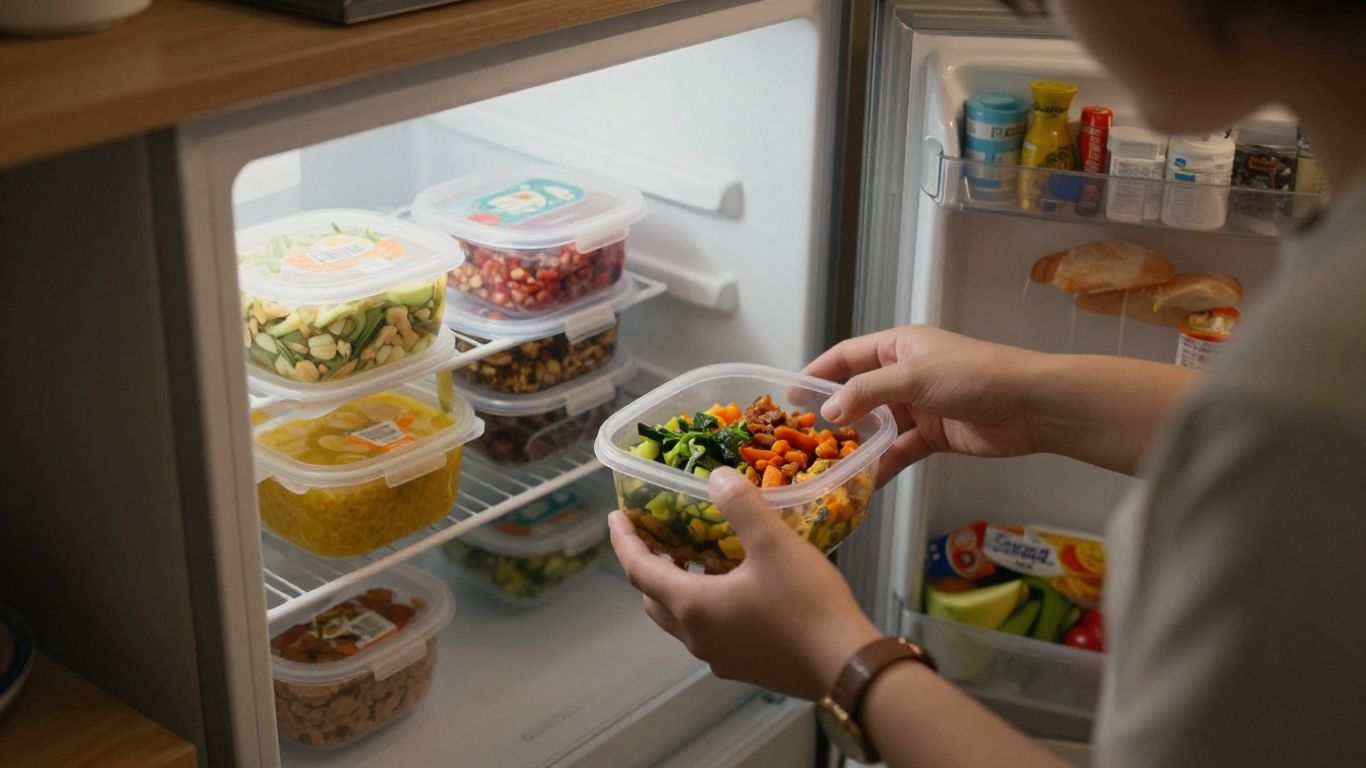
University life leaves little room for elaborate meal planning every night. Students may be moving between lectures, societies, library desks and part-time work, while the kitchen is occupied by someone else. Home-cooked Indian meals offer a familiar option that can be fitted around those interruptions rather than requiring a whole evening in the kitchen.
For many people, the appeal is the rhythm of Punjabi home cooking: dal, rajma, chole, kadhi or a seasonal sabzi, served as an everyday meal rather than a special occasion. A familiar meal can settle the evening when the day has felt scattered. This is the kind of practical comfort students often miss when living away from home.
Managing busy lectures, libraries and part-time work
A reheatable meal is useful when campus time does not end neatly at five o'clock. You might return after a late seminar, eat before an evening shift or take a portion out on a day when the library runs longer than planned. The meal is already chosen; only the reheating step remains.
That flexibility does not require a strict subscription mindset. Some students will prefer a small box to cover a busy fortnight, while others may plan more regularly around their timetable.
Keeping familiar ghar ka khana in your weekly routine
Ghar ka khana means more than a cuisine label. It suggests the food that appears in a family kitchen: dal finished with tadka, rajma with rice, chole with their deep spicing, or kadhi served as part of an ordinary meal. These are flavours many students recognise from home and may want to keep in their week abroad.
The cooking style matters too. A masala built from onion, tomato, ginger and garlic, followed by a proper tadka, tastes different from a generic restaurant base. Meals can be spiced with flavour rather than simply pushed towards heat, which makes them feel closer to the food people grew up eating.
Planning meals around shared accommodation and limited cooking time
Shared student kitchens can be unpredictable. Fridge shelves fill quickly, pans go missing and a quiet ten-minute meal can turn into a queue for the hob. Frozen portions reduce the amount of equipment and preparation needed, provided you have agreed freezer space and can label your own food clearly.
It helps to plan around the kitchen rather than fight it. Keep meals together in one bag or section, note which portions belong to which flatmate and avoid filling the freezer beyond what the household can manage.
Ordering for individual meals or a group of flatmates
One student may want a handful of individual portions, while a group may prefer to share an order and divide the meals afterwards. Before placing a group order, agree on vegetarian choices, meat dishes, spice preferences and who will pay. It is also worth checking whether everybody has room to store their share.
For a group, a small written plan can keep things straightforward:
- Count the portions each person actually expects to eat.
- Separate vegetarian and meat-based choices before ordering.
- Confirm the delivery address and building access.
- Decide how the freezer space will be divided.
That little bit of organisation makes a shared order fairer and avoids discovering that one person has selected meals nobody else can store. It also keeps the service practical for a mixed household rather than treating every flatmate as if they has the same routine.
Exploring the menu at Saakshi's Kitchen
A student menu should be read as a weekly food plan, not just a list of tempting dish names. Look for the kinds of meals you would genuinely eat after class, then check the portion format, spice description and reheating guidance. Familiar staples may be the best place to begin before trying dishes you do not know.
The menu can also help you build variety across several days. Pairing dal or a vegetable dish with a meat-based option, where suitable, gives a student more choice without requiring a separate shopping trip for every meal.
Choosing vegetarian and meat-based dishes
Vegetarian meals can include dal, rajma, chole and different sabzis, while meat-based options offer another direction for the week. When choosing, consider how many meals you need rather than ordering only by dish popularity. A box with a sensible mix is less likely to leave you searching for something different two days later.
If you are ordering with flatmates, write down everyone's choices before checkout. That is especially helpful where one person wants pure-vegetarian meals and another is happy to include meat.
Understanding halal kitchen-cooked meats
The kitchen-cooked meats are halal. Students who need that information can use it when choosing meat-based dishes, while those ordering for a group should still make sure everyone is comfortable with the selected meals.
If you have a specific question about a dish, read the menu information or contact the service before placing the order. This is a better approach than assuming that every menu item has the same ingredients or preparation details.
Checking spice preferences and dish descriptions
Restaurant curry is often ordered for a particular occasion, but a student tiffin needs to work on an ordinary weeknight. Look for descriptions that explain whether a dish is mild, medium or hotter, and think about how you normally like your food. Punjabi home cooking can be richly spiced without making heat the whole point.
Dish names can also give useful clues. Dal tadka is lentils finished with a spiced tempering, rajma is kidney beans commonly served with rice, and baingan bharta is a smoky aubergine preparation. A short description helps you choose with more confidence than a photograph alone.
Reviewing ingredients and allergen information before ordering
Always read the ingredient and allergen information supplied with the meal before ordering, particularly if you have an allergy or need to avoid a specific ingredient. Shared accommodation can make this conversation easy to overlook, especially when one person is ordering for several people.
Keep the packaging until the meal has been eaten, and follow any storage directions printed on it. If information is unclear, ask before checkout rather than trying to work it out after delivery.
Ordering Indian tiffin delivery to Oxford
Ordering is easiest when you treat the delivery address as part of the meal plan. Oxford has university halls, private houses, managed buildings and shared flats, all with slightly different access arrangements. Have the postcode, recipient name and any useful entry details ready before you start.
The Oxford delivery page and this local delivery information can help you understand what to check, but the postcode checker remains the practical final step. Delivery availability can depend on the complete address, so do not rely on a general assumption about being somewhere in Oxford.
Checking your Oxford postcode and delivery availability
Enter the full postcode and address rather than stopping at the city name. This helps confirm whether the service reaches your building and whether the available delivery arrangement works for you. If you are moving between halls and a private address, check again after the move.
A parent ordering from another part of the UK should ask the student for the exact postcode and accommodation name. That small detail is more reliable than guessing from the university or college name.
Selecting meals for your preferred delivery schedule
Choose a delivery schedule that matches how you actually eat. A regular plan may suit someone who wants a predictable freezer supply, while a one-off box can be more sensible during an essay deadline, exam period or short stay in Oxford.
You can also plan around the days you are usually home. If you spend most evenings at a society or job, select meals that will still be useful on the nights you expect to return earlier.
Adding university halls, private accommodation and access instructions
Use the address field for the building name, room or flat details where appropriate, and add concise access instructions. Mention reception arrangements, a safe delivery point or a gate code only where those details are genuinely needed. Clear information reduces uncertainty for the person delivering and for whoever is waiting to receive the box.
If a hall has special delivery rules, check them before ordering. Some buildings do not accept food deliveries at a particular desk, and a shared entrance may require the recipient to be present.
Planning orders around term dates, holidays and the September intake
The September intake is a useful moment to establish a meal routine before coursework becomes busy. New students can check freezer space, delivery access and flatmate preferences during the first week, then order with a clearer idea of their schedule.
Before holidays, review the dates when the accommodation will be occupied. Students leaving Oxford should avoid ordering more than they can store or eat, while parents ordering remotely should confirm that the recipient is still at the address.
Storing and reheating your meals safely
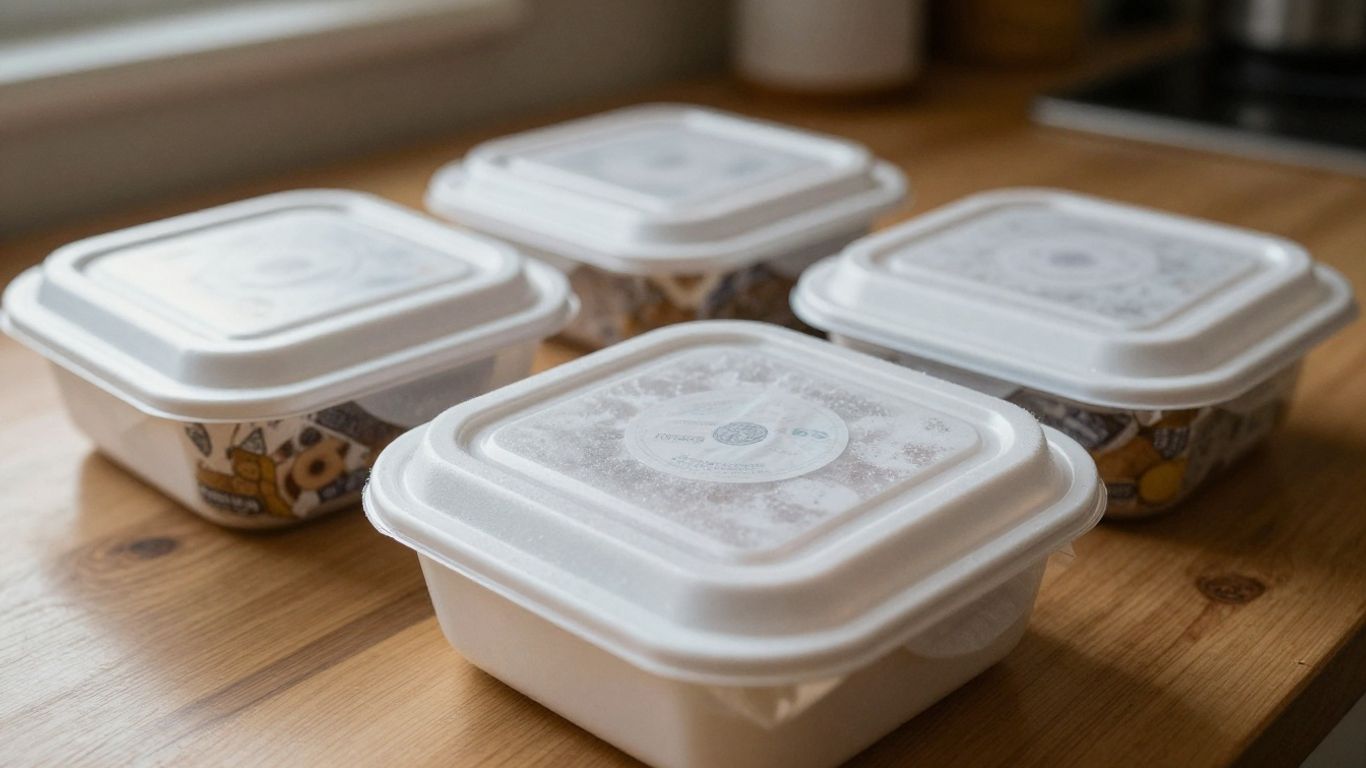
Storage is part of the ordering decision, especially in student accommodation where freezer shelves are shared. When the box arrives, make sure the meals can go into a suitable freezer and keep them stored according to the packaging instructions. Do not leave frozen food sitting out while you decide where it belongs.
Reheating should be treated as a small cooking task, not a guess. Follow the microwave or oven guidance supplied with each meal, check that it is piping hot throughout and allow for standing time where the instructions request it.
What to do when your frozen order arrives
Move the meals into the freezer as soon as practical and keep them in their packaging so the instructions and dish names remain visible. If the order has been delayed or the food does not appear properly frozen, contact the service for advice instead of making assumptions.
It is helpful to take a quick photograph of the box contents before putting everything away. That gives you a simple record when several similar portions are being stored in one drawer.
Following the microwave or oven instructions on the packaging
The packaging instructions are the best guide because cooking times can vary with the portion, appliance and starting temperature. Use the stated microwave power or oven setting, turn or stir the meal if directed, and check the centre before serving.
Do not rush the final check. A meal may feel hot around the edges while still being cooler in the middle, particularly when reheated from frozen.
Organising meals in a shared student freezer
Shared freezers reward simple systems. Keep your meals in one labelled bag or container, leave room for other people's food and avoid stacking portions so tightly that air cannot circulate. A weekly count can show whether you are ordering the right amount.
A useful freezer routine is to place older meals where they will be seen first and write the dish name on a removable label. That makes choosing dinner quicker and helps prevent forgotten portions at the back.
Handling leftovers and food safety carefully
If you have reheated more than you need, follow the packaging guidance about whether it can be stored and reheated again. Cool and refrigerate leftovers promptly where appropriate, use a clean container and avoid repeatedly warming the same portion. When in doubt, discard food that has been left out too long.
Good habits matter in a shared kitchen. Wash your hands, use clean utensils and keep raw ingredients away from ready-to-eat food if you are also cooking.
Comparing tiffin delivery with Oxford takeaway
The useful comparison is not simply tiffin versus takeaway. It is planned freezer meals versus immediate restaurant food, and each has a place in student life. Takeaway can be the right choice for a spontaneous evening with friends; tiffin can make more sense when you want several meals ready across a busy week.
Look at the total arrangement: price per portion, delivery fee, minimum order, storage, reheating time and how likely the meals are to be eaten. A cheaper headline figure may not be better value if half the order is forgotten or if you still need to shop for the rest of dinner.
Looking beyond the headline price per meal
Start by working out how many complete meals the box provides and how often you expect to eat them. Then include delivery charges and any minimum order requirement. For a student with little time, the value may also include fewer shopping decisions and less preparation, though that is personal rather than a guaranteed saving.
A planned order is easiest to assess over a fortnight. If it fits your routine and the portions are used, the cost is clearer than judging one meal in isolation.
Comparing portions, delivery fees and order requirements
Before checkout, compare the box contents with what you would normally buy for the same number of meals. Check whether rice, roti or another accompaniment is included, and note any delivery threshold. These details affect the practical cost more than a single dish price suggests.
The following quick view can help when deciding what matters most:
| Consideration | Planned tiffin | Oxford takeaway |
|---|---|---|
| Timing | Reheat when needed | Usually ordered for now |
| Storage | Requires freezer space | Usually no freezer planning |
| Order pattern | One box can cover several meals | Often a single meal or occasion |
| Decision-making | Chosen ahead of time | Chosen when hungry |
The table is not a rulebook. It simply shows why two meals with similar prices can suit very different weeks. Choose the option that matches your available time, storage and appetite.
Reducing last-minute takeaway decisions with planned meals
Having a few meals in the freezer can remove the most tiring part of a long day: deciding what to eat from scratch. You can still order takeaway when you fancy something social or spontaneous, but it no longer has to be the only option after a late lecture.
That change is especially useful during deadlines. A student can plan around study blocks, keep one meal for the evening and leave the rest for days when cooking is less realistic.
Deciding when a tiffin service is the better fit
Tiffin delivery may suit you if you like Indian home cooking, have reliable freezer access and want several meals arranged in advance. Takeaway may suit you better when you need one immediate meal, want to eat out with friends or do not have room to store a box.
There is no need to choose permanently. Many students use planned meals for ordinary weekdays and keep takeaway for occasions, which gives each option a clear role.
Why order from Saakshi's Kitchen
For students, the appeal of this service is its home-cooked Indian meal format rather than a restaurant takeaway model. The meals are prepared in a Brighton kitchen, delivered frozen and intended to be reheated at home. That makes the service relevant to students who want Punjabi-style everyday dishes available across a term, while still needing to plan around storage and delivery access.
The strongest reasons to consider it are practical: a kitchen with an FSA 5-star rating, published customer proof and a direct student ordering route. Check the current menu and delivery details before ordering, as your postcode and preferred box still determine whether it suits your household.
Meals prepared in a Brighton kitchen and delivered to Oxford
The meals are prepared in a Brighton kitchen and delivered frozen to Oxford addresses. They are designed for reheating rather than immediate restaurant-style service, so students can keep portions ready for different evenings. This fits the everyday rhythm of a university term better than expecting every meal to happen at a fixed time.
The approach is rooted in home cooking: dishes such as dal, rajma and chole are intended to be part of an ordinary meal, with the familiar structure of a main dish and accompaniment where the menu provides it.
The FSA 5-star kitchen rating
The Brighton kitchen has an FSA 5-star rating. That is a useful piece of information to review when choosing a prepared meal service, alongside the storage and reheating directions supplied with each order.
Students and parents can consider it as part of the overall picture, rather than treating one rating as a substitute for reading the menu, checking allergens or planning safe storage.
4.6★ from 800+ verified reviews and 16,000+ deliveries
The service reports 4.6★ from 800+ verified reviews and more than 16,000 deliveries. Those figures provide context for the service's experience, although they are not a promise that every student will make the same choice or have the same experience.
The fact that 79% of orders come from returning families also points to a repeat-use pattern, which is relevant if you are looking for meals to fit into a continuing weekly routine rather than a one-off occasion.
Ordering directly through the student service website
Students can order through the student service website, check their postcode and review the available menu before committing to a box. Ordering directly keeps the key information in one place: address details, meal choices, delivery arrangements and reheating guidance.
If a parent is ordering remotely, it is worth checking the student's accommodation details first and agreeing which meals they will actually use. That small conversation makes a direct order much more likely to fit the student's week.
Conclusion
For students living away from home, Indian tiffin delivery can bring a little structure to busy Oxford weeks. Frozen, ready-to-reheat meals make sense when freezer space is available and the order is planned around lectures, work, term dates and shared accommodation. The best choice is the one that gives you food you will genuinely eat, with clear ingredients, sensible storage and a delivery arrangement that works at your address.
Frequently Asked Questions
What is an Indian tiffin service?
It is a meal-delivery service that provides portioned Indian dishes for eating at home, often with meals delivered frozen so they can be stored and reheated later.
Can students order Indian tiffin delivery to Oxford?
Students can check whether their full Oxford postcode and address are covered, then review the available delivery schedule, menu and order requirements before paying.
Are tiffin meals different from takeaway?
Yes. Tiffin meals are generally planned for several occasions and stored for later, while takeaway is usually ordered for immediate eating.
How much freezer space do student meals need?
The space depends on the number and size of portions, so check the box details and measure the available drawer or shelf before ordering a larger quantity.
Can parents order meals for a student remotely?
Yes, provided the parent has the student's correct address, accommodation details and delivery instructions, and has confirmed that someone can receive and store the order.
How should frozen tiffin meals be reheated?
Follow the microwave or oven instructions on the packaging, check that the centre is piping hot and observe any stated standing time before serving.
What should students check before placing an order?
Check the postcode, delivery access, menu descriptions, ingredient and allergen information, portion requirements, freezer capacity and the dates when the accommodation will be occupied.
Order home-cooked Indian meals from Saakshi's Kitchen · UK delivery locations.